What these traditional desserts actually are
Yakgwa is a deep-fried wheat-flour cookie soaked in honey or a ginger-cinnamon syrup, traditionally served at ancestral rites and celebrations, with a dense, slightly chewy texture unlike a Western cookie. Gaeseong juak is a related fried rice-flour sweet from the historic Gaeseong region, typically coated in sesame seeds or crushed nuts after frying and dipping in syrup. Patbingsu is the modern-classic shaved ice dessert topped with sweetened red beans, rice cakes and often fruit or condensed milk -- widely available, but the traditional-style cafes covered here tend to make it with hand-shaved ice and less sugar than a mass-market version.
Where to find them
- Insadong is the most reliable neighborhood for traditional tea houses that also serve yakgwa and similar sweets alongside Korean tea.
- Bukchon Hanok Village and Ikseon-dong both have hanok-set cafes that lean into a traditional-dessert menu as part of their overall aesthetic.
- Department store food halls in Seoul often carry packaged yakgwa and juak from known makers if you want to try them without a sit-down cafe visit.
Ordering tips for first-timers
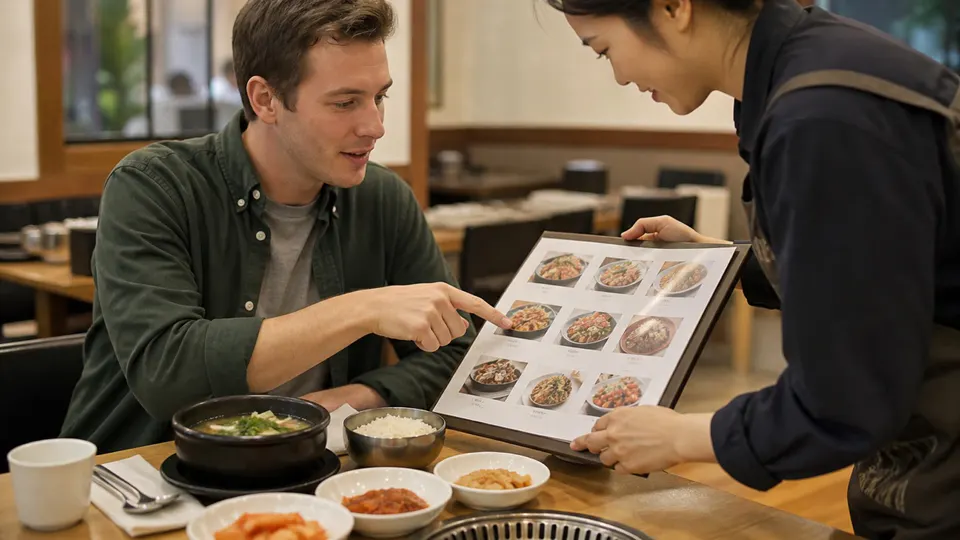
Menus at these cafes are sometimes Korean-only or use traditional names without much English explanation.
- Order a small combination platter if the cafe offers one -- it's the easiest way to sample yakgwa, juak and a rice cake together without committing to a full portion of each.
- Pair traditional sweets with a hot Korean tea (like omija or citron tea) rather than coffee -- most traditional cafes are built around this pairing.
- Ask staff which items are made in-house versus sourced, since quality and freshness vary more at smaller independent cafes than at chains.
Official sources
Time-sensitive details were checked against the original sources below on 2026-08-28.