What to wear in Korea: check the forecast, then layer
Spring: plan for the day-night gap
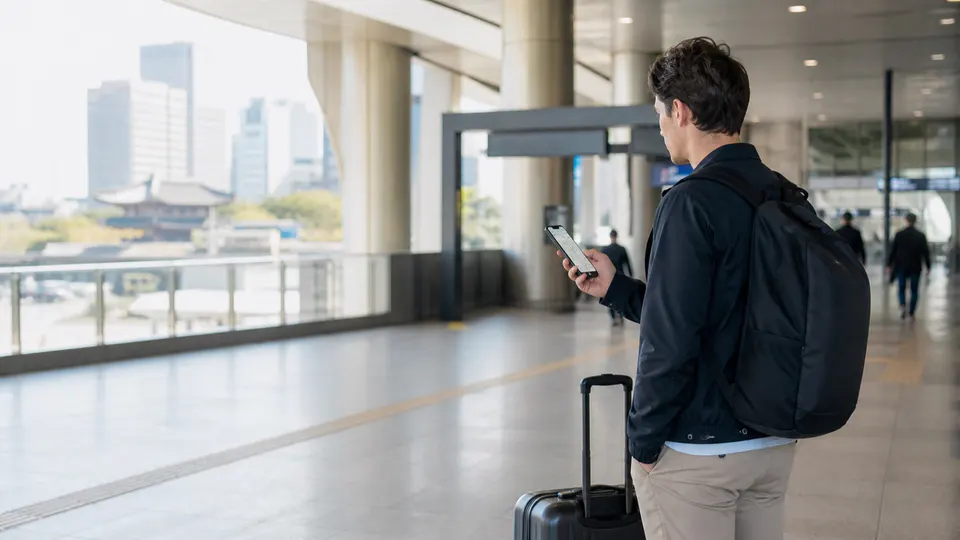
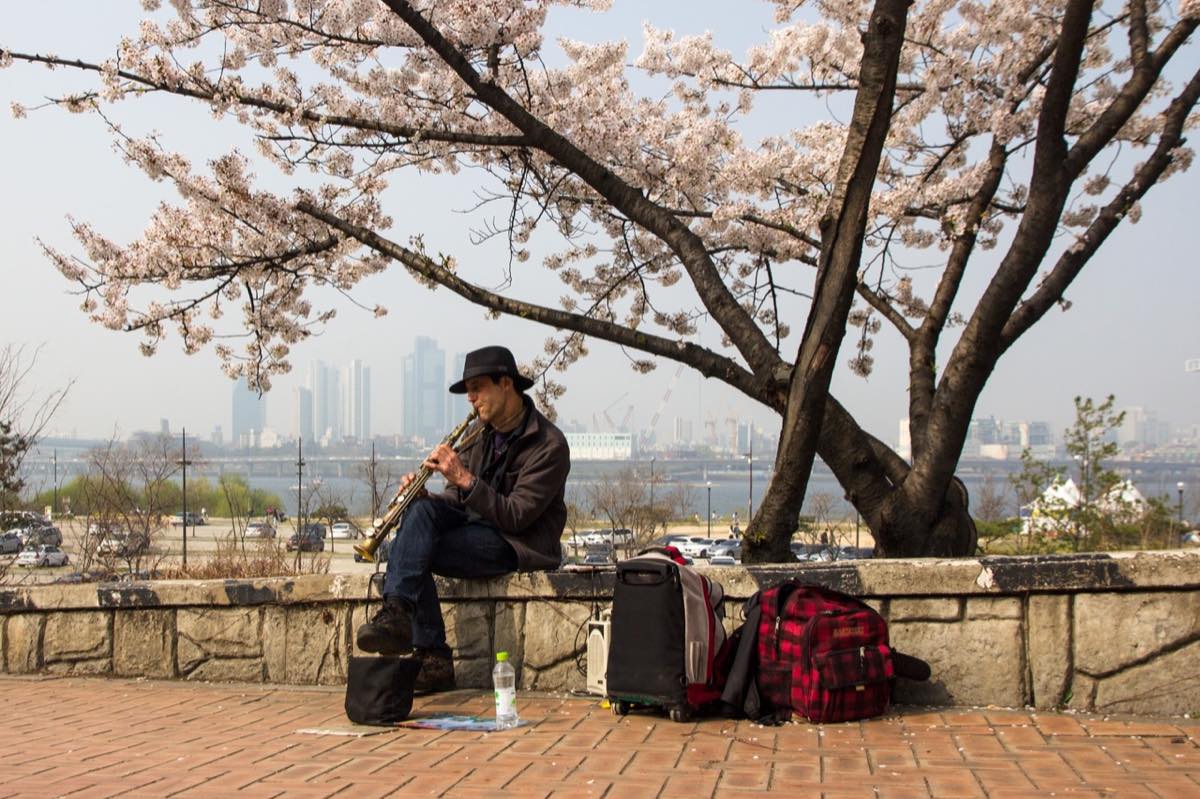
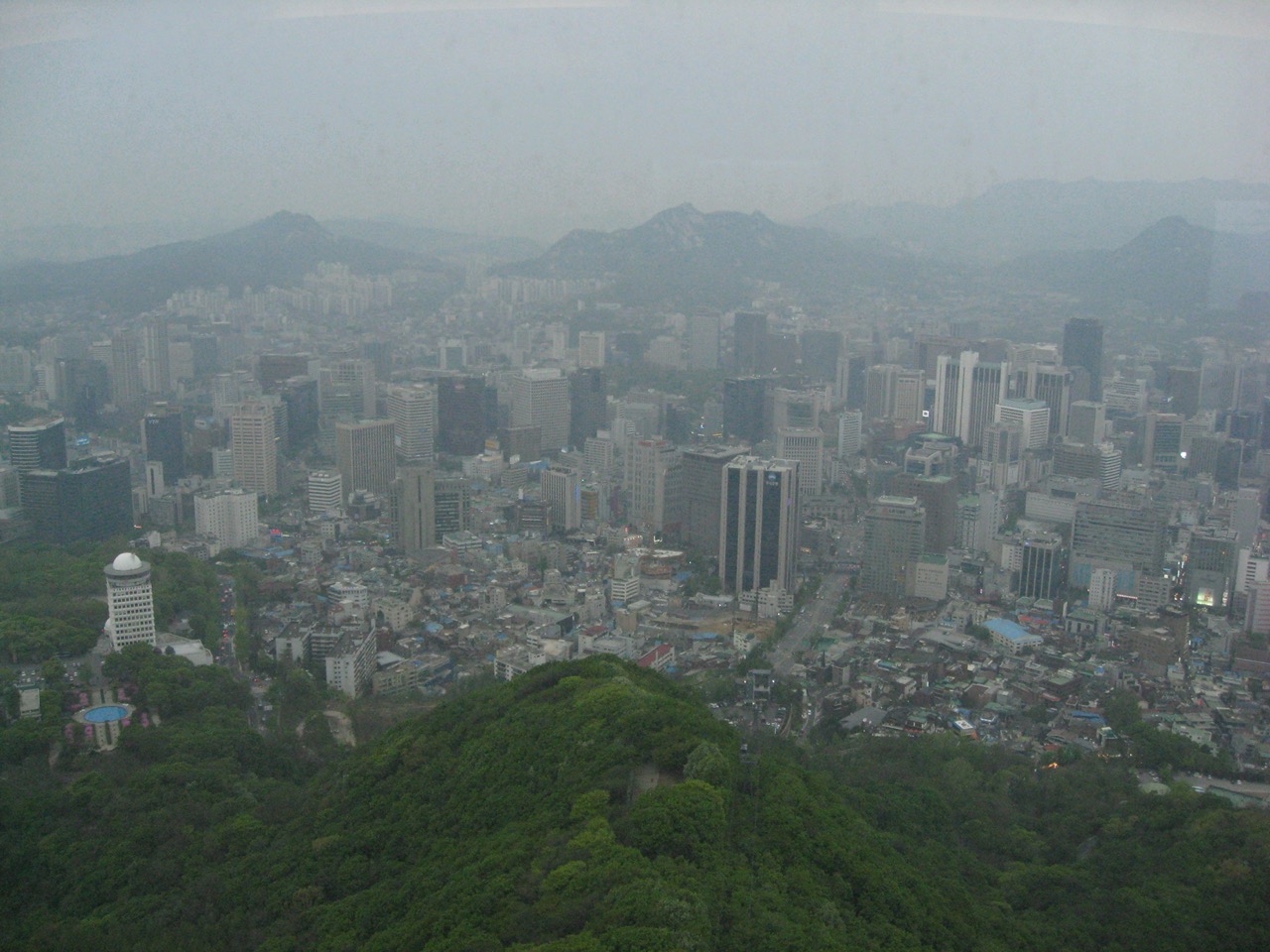
March through May can move from mild sun to a cold evening, especially early in the season. Pack a light insulated layer or knitwear plus a wind-resistant outer layer. A compact umbrella and shoes that tolerate wet pavement are useful. Check current air-quality and yellow-dust information rather than treating a mask as a universal seasonal rule.
Summer: heat, humidity and heavy rain
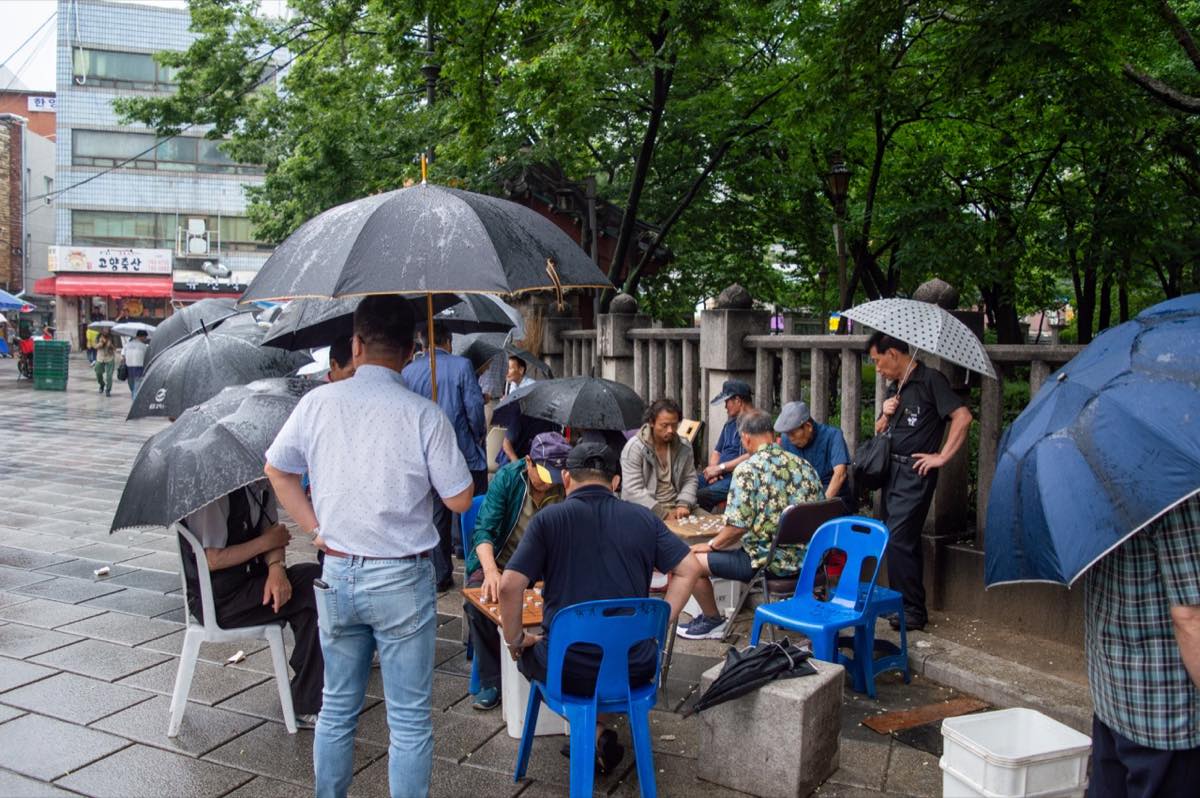
June through August is often hot and humid, with periods of intense rainfall and possible typhoon disruption. Choose quick-drying, breathable clothing and carry a light rain layer that still ventilates. Waterproof footwear can become uncomfortable in heat, so consider fast-drying shoes and spare socks. Indoor air conditioning may feel cold after rain or sweat; one thin overshirt is enough for many travelers.
Autumn: warm afternoons, cool evenings
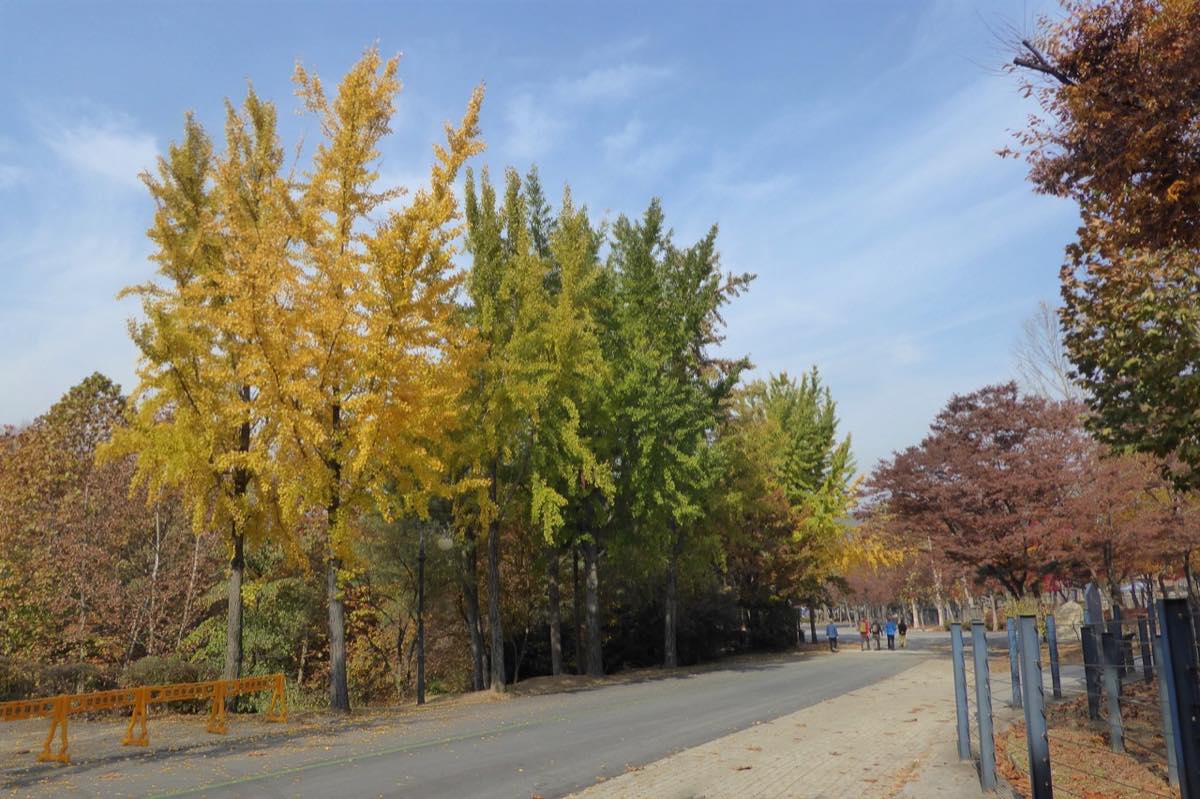
September through November commonly rewards layering. Early autumn can remain hot, while later weeks become sharply cooler. Pack a light jacket that fits in a day bag. If your trip spans mountains, coast and city, expect larger variation than a Seoul-only forecast suggests.
Winter: protect the extremities
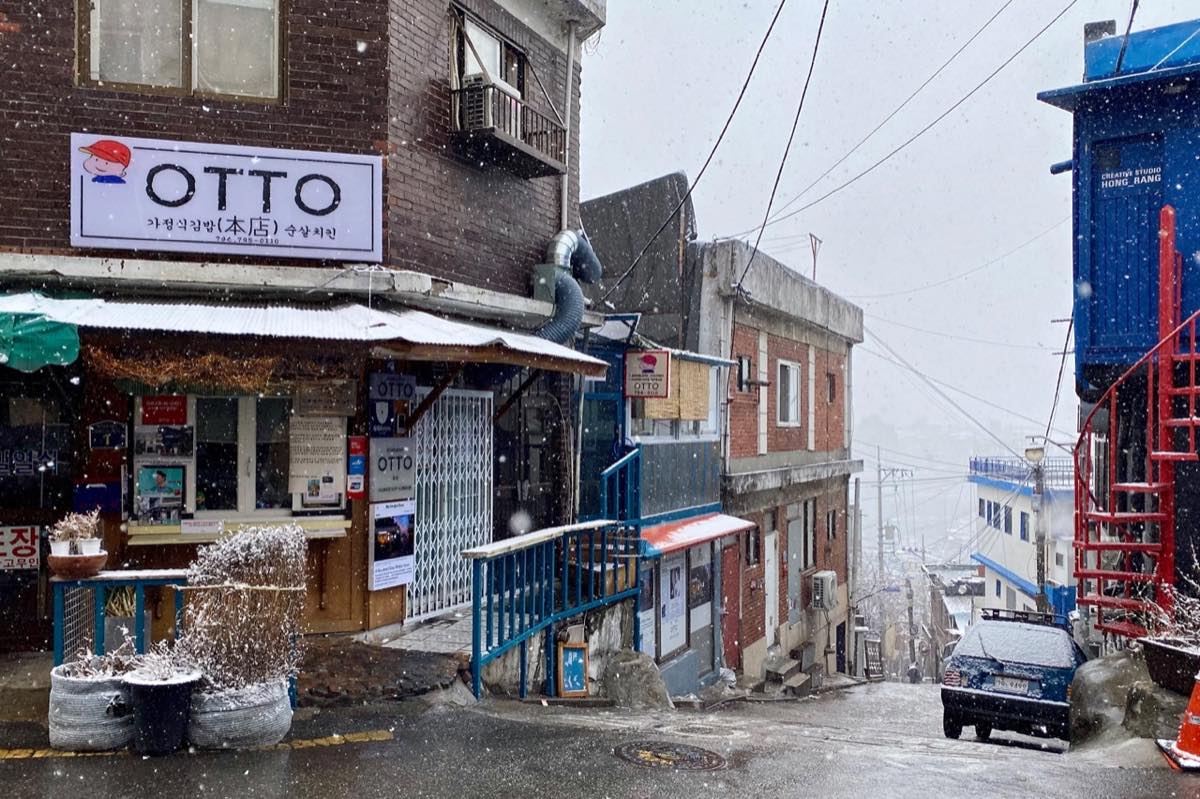
December through February can bring sub-zero temperatures, cold wind and icy surfaces. Use a warm coat, thermal or insulating layer, gloves, scarf and shoes with dependable grip. A thick coat does not replace layers: heated interiors and public transport can feel much warmer than the street. Remove layers before you sweat, then put them back on before going outside.
✓ daily high and low, not only the icon
✓ rain amount and timing
✓ wind and feels-like temperature
✓ weather warnings
✓ air-quality notice
✓ conditions at the trip’s second city
✓ outdoor event or mountain rules
Use three forecast checkpoints
Use the long-range outlook only to choose the broad wardrobe. About 72 hours before each city, check the daily high and low, rain timing and warnings. On the morning itself, check the hourly forecast before deciding what enters the day bag. This prevents an old screenshot or a forecast for Seoul from controlling a day in Busan, Jeju or a mountain area.
For a multi-city trip, create one line per destination with the date, lowest expected temperature, rain window and main outdoor activity. Pack for the coldest or wettest critical segment, then remove layers for the rest.
Read the forecast as a sequence
The daily rain icon does not tell you whether rain lasts ten minutes or controls the whole afternoon. Check the hourly precipitation window, amount, wind and temperature together. Compare the expected low with the time you will leave the hotel and the high with the most exposed activity. “Feels like” conditions can matter more than the air temperature during wind, humidity or strong sun.
Treat an advisory or warning as an itinerary input, not a clothing suggestion. Confirm transport and venue notices separately because a train, ferry, trail or outdoor performance may change even when conditions near your accommodation appear manageable.
Separate rain protection from warmth
A warm jacket is not automatically rainproof, and a waterproof shell may provide little insulation. Use a breathable base layer, a removable warm layer and a shell as separate decisions. Keep electronics and documents in an inner pouch, and carry a small bag for wet umbrellas or socks so the rest of the day pack stays dry.
During heavy rain, choose routes with subway or indoor connections and allow extra transfer time. Do not treat a compact umbrella as protection from severe wind or an official weather warning.
Account for Korea's regional differences
Seoul is not a proxy for the entire trip. Coastal Busan can have different wind and temperature, Jeju weather can change across the island, and mountain elevations can be colder and more exposed than a nearby city forecast. Check the forecast point closest to the actual attraction and recheck before a ferry, summit or long coastal walk.
For a same-day city and mountain plan, carry one extra dry or warm layer in the day bag instead of leaving every contingency at the hotel. If the official warning or site operator advises against the activity, use the saved indoor alternative.
Pack for laundry and repeat wear
Choose a small color-compatible set that can be layered and repeated. Quick-drying base layers reduce the number of emergency purchases, but confirm laundry access and drying time at the accommodation. Keep one complete dry outfit unused for the return flight or a major event.
Match clothing to the activity
A palace visit, long queue, concert floor, coastal walk and mountain trail require different footwear and exposure planning. Outdoor events may restrict umbrellas or bag size. For temples, homes and some traditional stays, wear socks and shoes that are easy to remove. Carry one dry layer separately on wet days.
Make a two-pocket day kit
Keep the item needed first—umbrella, shell, gloves or sun protection—in an outside pocket. Keep one dry insulating layer, documents and electronics protected inside. This avoids opening the whole bag in rain and prevents a wet umbrella from soaking the clothing needed later. Refill water and replace wet socks before a long queue or evening event.
Official sources
- VISITKOREA: Korea climate and seasonal cautions
- Seoul Metropolitan Government: four seasons and climate
- Korea Meteorological Administration: current forecasts and warnings
Koursea method: official climate pages provide seasonal context; the current KMA forecast should control the final decision. Koursea’s layer system is original visitor guidance, not a weather guarantee.