Sindang-dong's identity as Seoul's tteokbokki destination
Few Seoul neighborhoods carry as strong and specific a food identity as Sindang-dong's association with tteokbokki, with its dense cluster of dedicated restaurants making it the definitive destination for this beloved Korean comfort food.
Understanding the communal pot dining format
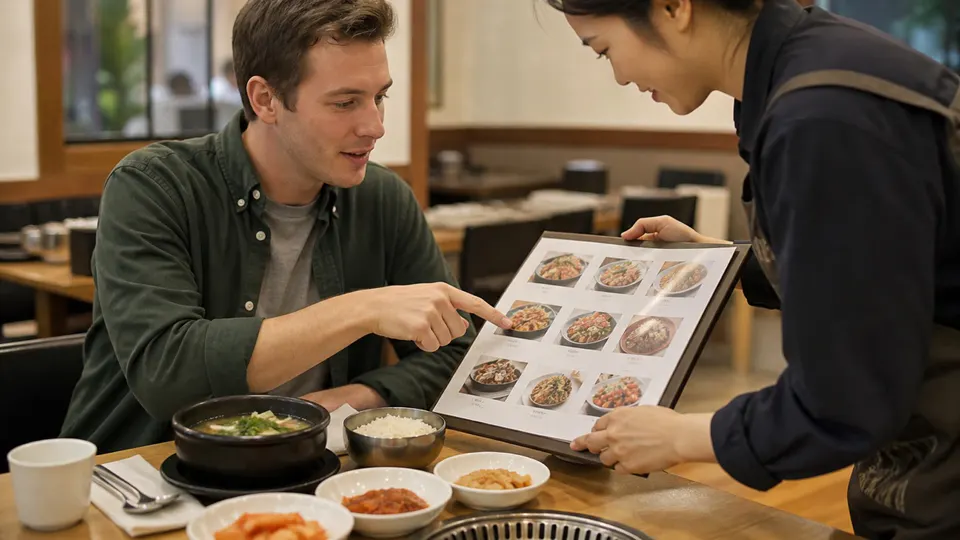
Many restaurants here serve their tteokbokki in a large shared pot, often finished with cooking directly at the table, creating a naturally communal, interactive dining experience well suited to sharing among a group.
Taking advantage of extended operating hours
Given tteokbokki's popularity as both a regular meal and late-night comfort food, many restaurants along this alley cater specifically to extended or round-the-clock demand, making Sindang-dong a reliable destination regardless of what time your appetite strikes.
Choosing a restaurant along the alley
With numerous competing establishments, each with their own loyal following and specific sauce recipe, sampling based on posted specialties or simply choosing a restaurant that looks busy with local customers are both reasonable approaches to finding a satisfying meal here.
Useful Korean
Frequently asked questions
Why is Sindang-dong specifically known for tteokbokki?
This neighborhood developed a genuine, longstanding concentration of tteokbokki restaurants over many decades, with several long-running establishments having built strong individual reputations, together earning the area its widely recognized nickname as Seoul's tteokbokki town.
Are these restaurants actually open 24 hours a day?
Many restaurants along this alley do offer extended or genuinely round-the-clock hours, reflecting the dish's popularity as both a daytime meal and a late-night comfort food, though exact hours can vary by specific restaurant, so checking ahead if visiting at an unusual hour is sensible.
Is the tteokbokki here served differently from what's found elsewhere in Seoul?
Many restaurants in this specific alley serve tteokbokki in a shared communal pot format, often cooked directly at your table, and prepared with a house-specific sauce recipe developed over years, giving the dish here a somewhat different character and presentation compared to typical street-stall tteokbokki.
Official sources
Time-sensitive details were checked against the original sources below on 2026-08-28.