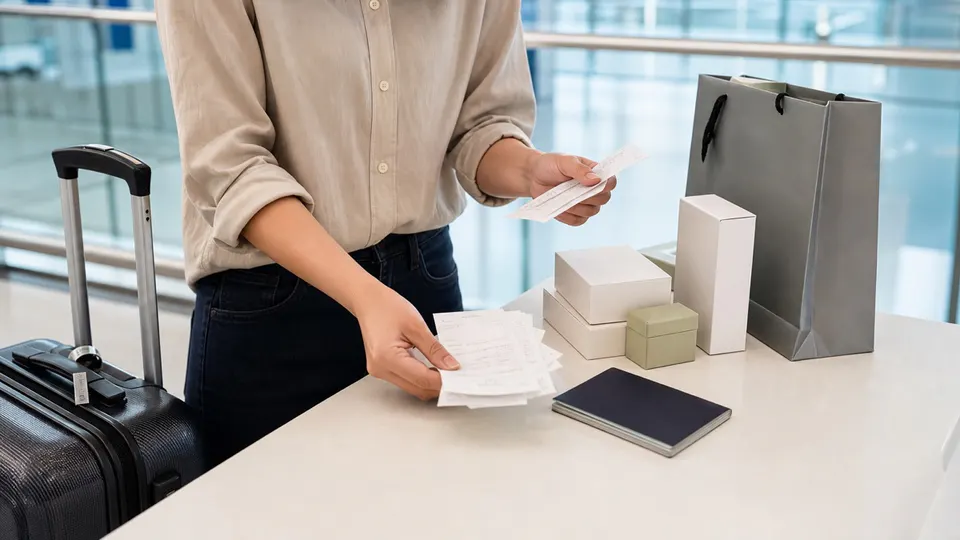
How much cash should you bring to Korea?
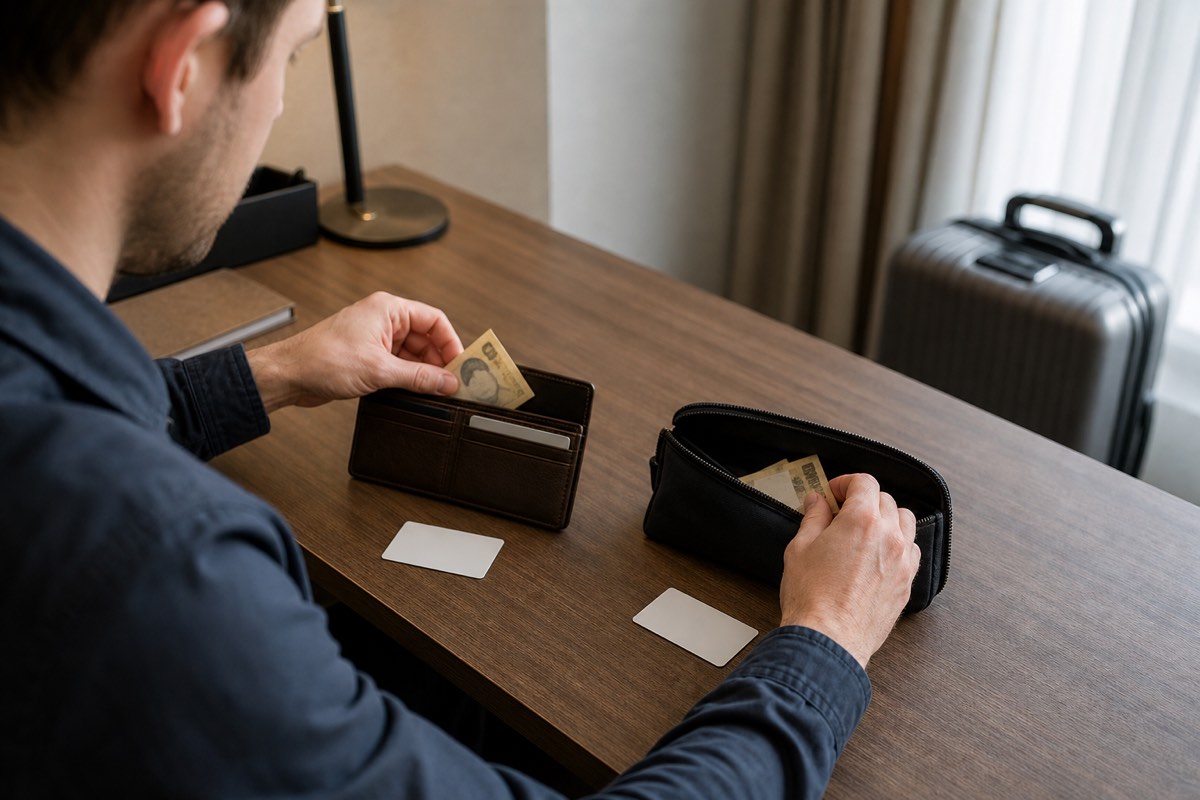
Plan cash by trip stage
| Stage | What the reserve should cover |
|---|---|
| Arrival | Transport backup, a simple meal, transit-card purchase or recharge, and a small unexpected expense. |
| Normal city day | Places where your foreign card fails, traditional markets, small vendors and cash-only machines. |
| Day trip or rural stop | A larger buffer when ATMs, staffed banks or internationally enabled terminals may be less convenient. |
| Departure | Only a modest remainder; avoid creating a large amount of won that must be exchanged back. |
Major hotels, department stores and many restaurants accept cards, but acceptance is not universal. A logo on the door also does not guarantee that your overseas issuer, card network or security settings will approve the transaction.
Calculate a reserve without guessing a daily number
Start with the specific costs that must work before you can reach your accommodation: the transport route you actually plan to use, a basic meal and one backup route if the first payment fails. Add any known cash-dependent purchase, such as a transit-card recharge at the machine or counter you intend to use. Then subtract costs already prepaid or confirmed to accept your card. The result is an arrival reserve, not a forecast for the entire trip.
Recalculate before a rural day trip, market visit or late-night journey when replenishment is less convenient. A traveler with prepaid accommodation and two working cards needs a different reserve from a family paying cash for several local activities. Keep the calculation in won so exchange-rate movement does not hide the actual Korean expenses.
Use a two-card, small-cash system
- Carry two internationally enabled cards, preferably on different networks.
- Keep the backup card separate from the primary wallet.
- Carry a limited won reserve in more than one denomination.
- Know how to contact your issuer without relying on the physical card.
- Check whether your bank charges foreign-transaction and ATM fees.
This system reduces the need to carry a large stack of cash while protecting you from a single decline, lost wallet or incompatible payment terminal. Do not keep all cash, cards and identification together.
Split the reserve by function
- Working cash: a small amount in the wallet for the current day.
- Arrival or transport backup: kept separately and used only if the planned payment method fails.
- Replenishment plan: a verified bank, authorized exchange counter or internationally enabled ATM—not another large envelope carried from home.
Small and medium denominations are usually easier for modest purchases than relying on one large note. Count money at the counter, keep the receipt and move away only after the amount is correct. Do not count a large reserve in a crowded public area or let a stranger “help” operate an ATM.
When cash is still useful
Cash can be useful for some transit-card recharges, traditional markets, coin lockers, small food vendors and businesses whose terminal rejects a foreign card. Exact acceptance changes by machine and operator, so treat cash as a backup rather than assuming every location in a category is cash-only.
If you arrive late, check whether your planned airport counter, ATM or transport ticket machine will be available at the time you actually clear immigration. A short delay can change which staffed services remain open.
Adapt the plan to your trip
City-only visitors can usually keep the reserve smaller when they have a verified ATM or bank near the hotel. Families and groups should avoid keeping the entire group's backup with one person. Travelers with accessibility needs may prefer a slightly larger transport buffer if changing stations or searching for another ATM would be difficult. Remote or island itineraries need earlier verification of cash access rather than an assumption that the next stop has a compatible machine.
The safer response to uncertainty is a confirmed backup route, not unlimited cash. Store issuer contact details separately, enable transaction alerts if available and know how to freeze a card. These measures protect more effectively than carrying enough notes for every possible disruption.
Do not confuse a reference rate with your real cost
A currency app shows an approximate market reference. Your actual cost can include an exchange margin, counter commission, ATM charge and your home bank's fee. When a terminal offers to charge your home currency instead of Korean won, that conversion may include a less favorable rate. Read the screen before accepting.
Compare the total won received or the total home-currency debit, not only a sign advertising “zero commission.” At an ATM, review the Korean operator fee and any currency-conversion choice before confirming; your home issuer may add a separate charge later. If the screen is unclear, cancel safely and use another official option.
If you need to compare airport, bank, city-counter and ATM options, use Koursea's separate where to exchange money in Korea guide. This page answers the different question of how much payment backup to carry.
Large amounts and the customs threshold
Ordinary tourist spending rarely requires carrying that much physical value. If your situation involves a large sum, business funds or unusual financial instruments, check the current Customs instructions and speak with the relevant financial institution before traveling.
A practical pre-flight decision
- List the costs required between landing and checking in.
- Mark which ones have a verified card option and which need won.
- Add one realistic transport or payment failure—not several days of worst cases.
- Decide where you can safely replenish cash later.
- Keep receipts and count notes before leaving a counter or ATM.
Cash questions before entering Korea
How much cash can I bring to Korea?
Korea Customs Service says an arriving traveler does not need a declaration for combined means of payment not exceeding the equivalent of US$10,000. Amounts above US$10,000 or the equivalent in total must be declared to Customs.
Does Korea's US$10,000 declaration threshold include Korean won?
Yes. Korea Customs Service says the total can include foreign currency, Korean-won notes and checks, including cashier's checks in Korean won.
Is declaring cash the same as paying tax on it?
The official rule described here is a reporting requirement for amounts above the threshold, not a statement that the money is automatically taxed. Customs may ask about the source or purpose under applicable rules.
How much Korean won should I carry each day?
There is no reliable universal daily amount. Build a modest arrival reserve around confirmed transport, food and card-failure needs, then replenish securely instead of carrying the whole trip budget.