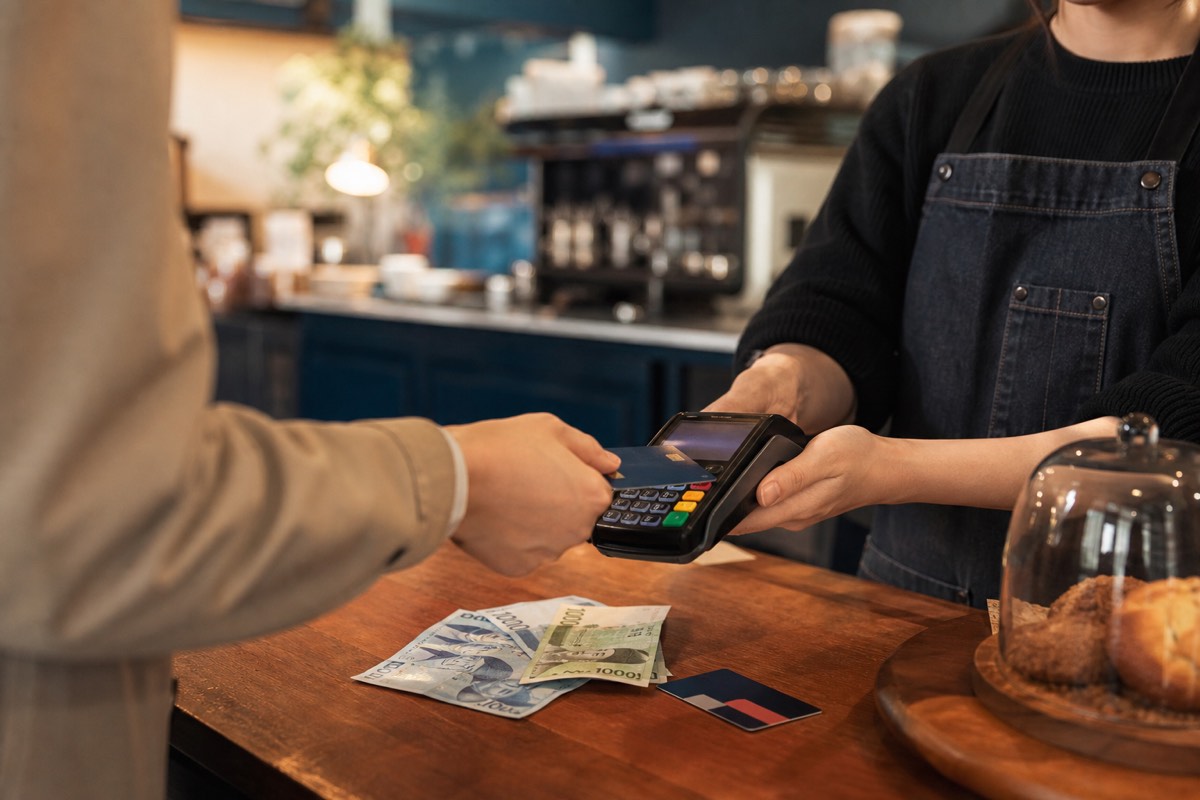
- Key point: Carry two physical cards from different issuers, modest Korean-won cash and a separate reloadable transit card.
- Price: Review ATM, foreign-exchange and dynamic-currency-conversion costs and choose KRW unless you deliberately accept another quote.
- Tip: Keep cash for small vendors and T-money top-ups rather than relying on one phone wallet or overseas card.
The payment setup that covers most trips
Bring two physical cards from different networks or issuers, keep a modest amount of Korean won, and use a separate Korean transit card. That is usually more reliable than trying to make one phone wallet or one overseas card do everything.
| Payment layer | Use it for | Keep this backup |
|---|---|---|
| Foreign credit or debit card | Hotels, department stores, chains and most staffed retail terminals. | A second physical card from a different issuer or network. |
| Korean won cash | Small vendors, markets and cash-only transit-card reload points. | Smaller notes rather than relying on one large bill. |
| T-money or another accepted transit card | Subway and bus gates that do not accept a foreign bank card directly. | Cash for reloads and enough stored value for the next ride. |
| Prepaid visitor card | An optional spending wallet when its fees and reload method fit your trip. | Do not treat it as a universal replacement for cash and bank cards. |
| Phone wallet | Only where the terminal and your issued card are both supported. | Carry a physical card because acceptance is not universal. |
Korea Tourism Organization says credit cards are widely accepted at major hotels, department stores, and general shops. It also cautions that some stores may not offer card service. In practice, that makes a backup more useful than carrying a large amount of cash.
Where foreign cards usually work
International visitors can generally start with a major network card at hotels, chain stores, malls, restaurants, cafes, taxis, and many ticket counters. Korea Tourism Organization lists Visa, Mastercard, American Express, and other cards as commonly usable, while advising travelers to confirm availability at the individual business.
- Carry the physical card even if you prefer a phone wallet. A merchant may accept the plastic card but not your particular mobile wallet.
- Tell your bank you are traveling if its app offers a travel notice, and make sure you can receive security alerts abroad.
- Keep a second card separate from the first. Two cards in the same lost wallet are not a backup.
- If a terminal offers a choice of currencies, read the amount and exchange terms before accepting. Your own bank may provide a different conversion rate.
Planning medical aesthetic treatments? Review our 2026 Seoul Skin Clinic Price Guide to understand standard local rates, card acceptance rules, and 10% VAT policies.
When you should still carry Korean won
You do not need to fund an entire trip in cash. A small reserve is useful for traditional markets, street stalls, older machines, small owner-operated businesses, and transit-card loading. Korea Tourism Organization specifically notes that some traditional-market and street merchants may accept cash only.
An editorially reasonable starting reserve is enough for a few meals, a transit-card top-up, and a trip back to your accommodation. Adjust it for your plans; this is a convenience suggestion, not an official minimum. Exchange money only at banks or authorized exchange businesses, and check current hours before visiting.
Why T-money is a separate payment problem
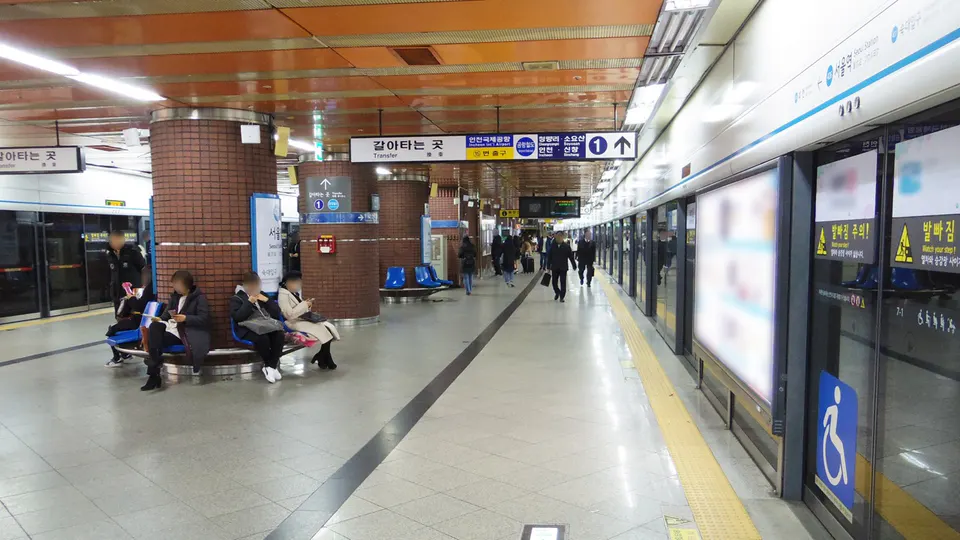
A foreign credit card working at a restaurant does not mean it can tap directly through every subway gate. Conventional T-money purchase and top-up points can still require Korean won or a Korean-issued card. Seoul added an important exception on March 17, 2026: 440 new vending machines at 273 stations on Lines 1–8 accept internationally issued cards for single-journey tickets and short-term Climate Card purchase or recharge. Look for a supported machine and keep cash as a fallback outside that rollout.
Once loaded, a standard transit card makes buses and subways easier and supports transfers. Read Koursea's public transport guide for tap-in, tap-out, transfer, and balance basics.
One useful exception: AREX single-use tickets
Korea Tourism Organization reported that credit-card purchase became available for single-use subway tickets at AREX stations between Incheon Airport Terminal 2 and Seoul Station. A 500-won deposit still applies and is returned through the deposit-refund machine after exiting. Do not generalize that exception to every transit-card vending machine.
Shopping and tourist tax refunds
Tax refund eligibility depends on the store, purchase amount, visitor status, and export conditions. Look for an authorized “Tax Refund” or “Tax Free” sign and ask before paying. Korea Tourism Organization's current guidance says eligible visitors should present a passport when paying and lists a single-payment range starting at 15,000 won; thresholds and procedures can change, so verify the official page for the date of purchase.
Keep the goods, receipts, refund documents, passport, and the card used for payment available until departure procedures are complete. A retailer's ordinary sale receipt is not automatically a tax-refund document.
What to do when your card is declined
- Do not keep tapping repeatedly. Ask the cashier whether the card can be inserted and processed by chip.
- Try your second physical card. A different issuer or network may succeed.
- Check your bank app. Look for a fraud alert, overseas-payment setting, frozen card, or spending limit.
- Use your cash reserve. This is exactly why a small backup is useful.
- For an unattended machine, use a staffed counter. Ticket kiosks and online checkouts sometimes support fewer foreign cards than a staffed terminal.
Never hand over a PIN or one-time security code to a stranger offering “help.” If the card is retained by a machine or appears compromised, contact the issuer through the number in its official app or on the back of the card.
Quick answers
Can I travel in Korea without cash?
Many visitors make most purchases by card, but a completely cashless plan is unnecessarily fragile. Transit-card top-ups and some small merchants are the main reasons to keep a little won.
Can I use my foreign card directly on buses and subways?
Do not assume so. In Seoul, an overseas card may now buy or recharge certain tickets at supported machines without functioning as the card you tap at the gate. Use a supported Korean transportation card or single-journey ticket unless the exact operator officially confirms direct open-loop tapping.
Should I buy a prepaid tourist payment card?
It can be convenient if you want one balance for transport and shopping or if your bank charges high overseas fees. Compare loading, withdrawal, refund, exchange, replacement, and inactivity terms on the provider's official site before paying.
What should I do before departure?
Check overseas-payment settings, save your issuers' official contact methods, confirm your PIN where needed, and keep the two cards separately. After arrival, obtain a small amount of won and set up transit payment before your first complicated journey.
Official sources
Payment and transport rules can change. These were checked on August 19, 2026.
- Korea Tourism Organization: Korean currency, credit cards, and money exchange
- Korea Tourism Organization: transportation cards
- Korea Tourism Organization: 2026 transportation payment guide (PDF)
- Korea Tourism Organization: credit-card purchase of AREX single-use tickets
- Korea Tourism Organization: duty-free shopping and tax refunds
Editorial note: Koursea does not receive payment from the card networks, transit cards, or prepaid-card providers mentioned in this guide.