
K-pop concert floor vs seated tickets in Korea
Why a front floor position can still have a poor view
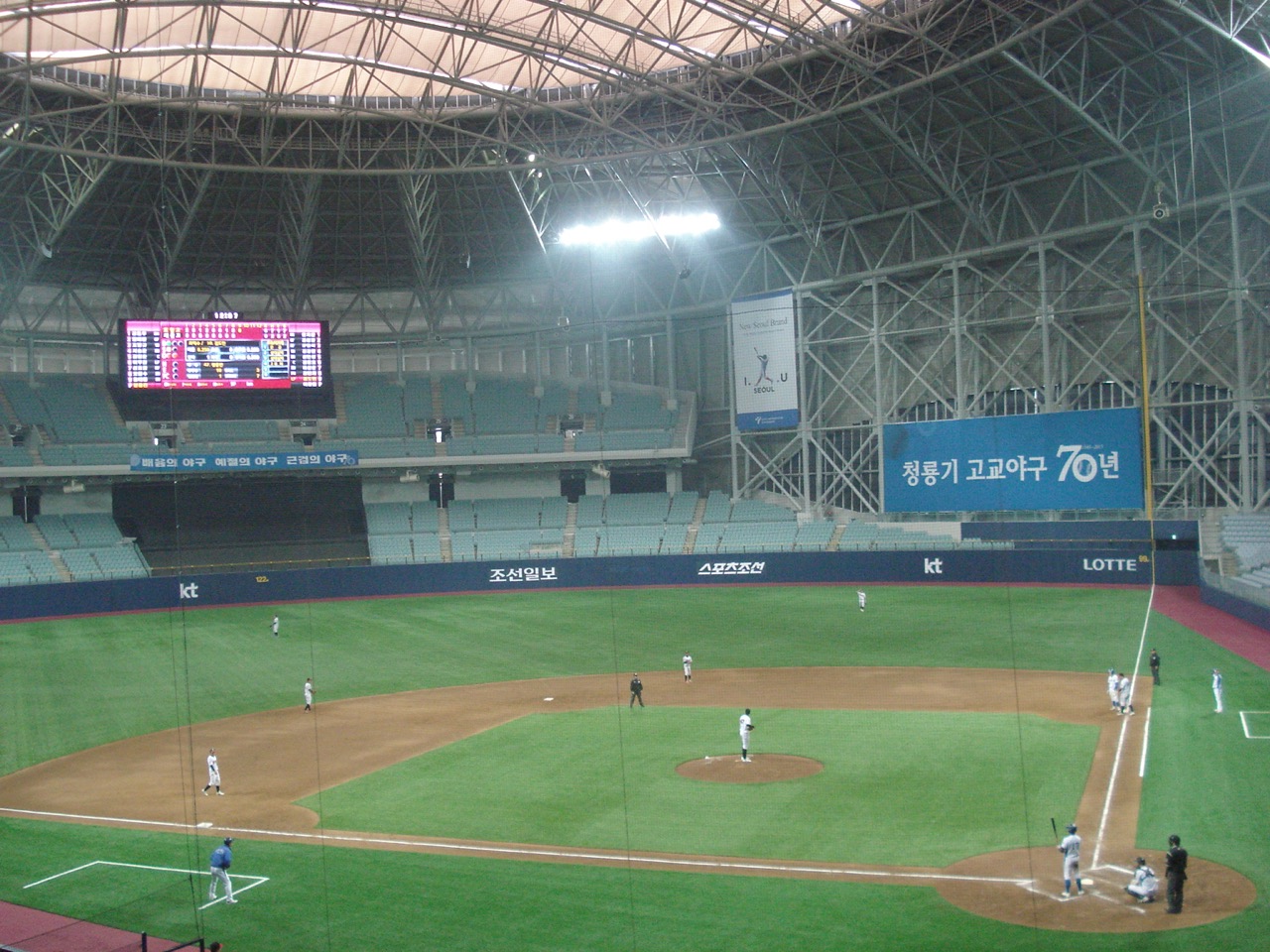
Most floor sections are flatter than tier seating. Your view can change with the height of the people ahead, raised phones and light sticks, camera equipment, sound desks, railings or a production tent. An extended stage can bring an artist closer for part of a show while making the main stage harder to see at other moments.
A public Threads attendee described a front-row floor position where the stage was still difficult to see because spectators ahead remained standing. This is one personal account, not an official assessment of a venue. Koursea uses it only as a practical reminder to evaluate elevation and obstructions—not as proof that every floor section has the same problem.
Choose a floor ticket if...
- Being physically close to the stage matters more than seeing every screen and formation.
- You are comfortable standing for long periods when the event rules permit it.
- You can accept that your sightline may change during the show.
- You understand whether the floor is assigned seating, numbered standing or general admission.
Choose a tier seat if...
- You want elevation and a more stable personal space.
- You prefer to see choreography, screens and the complete stage design.
- You expect to take breaks or want a more predictable path to the exit.
- You are short, traveling with a younger fan, or uncomfortable in a dense standing crowd.
Five checks before paying
- Read the ticket type exactly. “Floor” does not tell you whether a chair, queue number or fixed position is provided.
- Inspect the official seating map. Locate the main stage, extended stage, camera platforms, sound desk and sections marked restricted or limited view.
- Check identity and transfer rules. The reservation name may need to match the attendee’s passport, and unauthorized resale may fail at entry.
- Check accessibility separately. Contact the official seller or venue before purchase. Do not assume an ordinary floor ticket can be adapted on arrival.
- Plan the exit. A tier near an aisle can be easier after the show, but the actual route depends on staff controls and the venue plan.
Decode the floor label before comparing price
Assigned floor seating usually means a specific chair, but attendees may still stand during the performance. Numbered standing can use an entry sequence that controls queue order rather than a permanent spot. General admission may rely on a different queue and wristband process. Only the current promoter notice defines the product.
Check when number verification begins, whether late arrivals lose their sequence, what identification is required, and whether leaving the standing zone ends the position. Do not camp or form an unofficial queue when the organizer publishes a numbered procedure.
Compare the full-body cost
Consider queue time, standing duration, heat, restroom access, stairs and the trip home—not only the seat map. A floor position can require more continuous standing and denser movement. A high tier can offer better stage geometry but involve steep steps and a longer exit. Choose the section your body can use safely for the whole event.
Read “restricted view” literally
A restricted, limited or side-view label can refer to stage structures, screens, speakers, cameras, railings or an angle that hides part of the production. The lower price does not guarantee a small obstruction. Read the seller's disclosure before purchase and do not expect staff to relocate the seat because the obstruction matches the warning.
Fan photos can show the venue geometry, but compare the same block, row direction and stage layout. A zoomed photograph cannot reproduce the naked-eye distance, and an empty rehearsal view cannot predict standing spectators or production equipment.
Plan accessibility before purchase
Accessible seating, companion tickets and document checks can use a separate process or sales window. Contact the authorized seller or venue before buying an ordinary ticket. Do not assume staff can relocate a floor or tier booking on show day, and do not purchase a restricted-view seat expecting an accessibility exception.
Choose the exit strategy with the seat
Save the official venue gate, final public-transport time and an authorized taxi fallback before the show. A seat near an aisle may reduce movement inside the section, but staff can release floors and tiers through different routes. Follow the event exit instructions instead of crossing barriers toward the entrance you used.
Keep essential medication, identification, payment and the route home within the permitted bag size. Do not choose a section that depends on leaving and re-entering unless the current organizer explicitly allows it.
Use a final tie-breaker
- Choose floor when closeness and crowd energy outweigh a variable view and longer standing.
- Choose lower tier when elevation, exits and the full production matter most.
- Choose an aisle only after checking whether the map and ticket actually identify one.
- Choose neither when the official map, transfer rule or accessibility process remains unclear.
How to use fan photos and reports safely
Search recent posts for the venue name plus a section or block number. Compare several independent accounts and check whether they show the same stage configuration. A photo taken during another artist’s concert may use a different stage, camera position or closed section. Treat every fan report as an anecdote until the current event map confirms the relevant layout.