 Visual: Koursea medical editorial
1. Navigating Korean pharmacies (약국)
Look for a red or green 약 sign or the word 약국. Many common dressings and selected medicines are available without a prescription, but prescription-only products require a Korean prescription. A pharmacist may also decline a sale when assessment or medical review is safer.
- Hours vary widely; “24-hour” listings can change on holidays.
- Use E-Gen pharmacy search or Pharm114 holiday pharmacy search, then call before traveling.
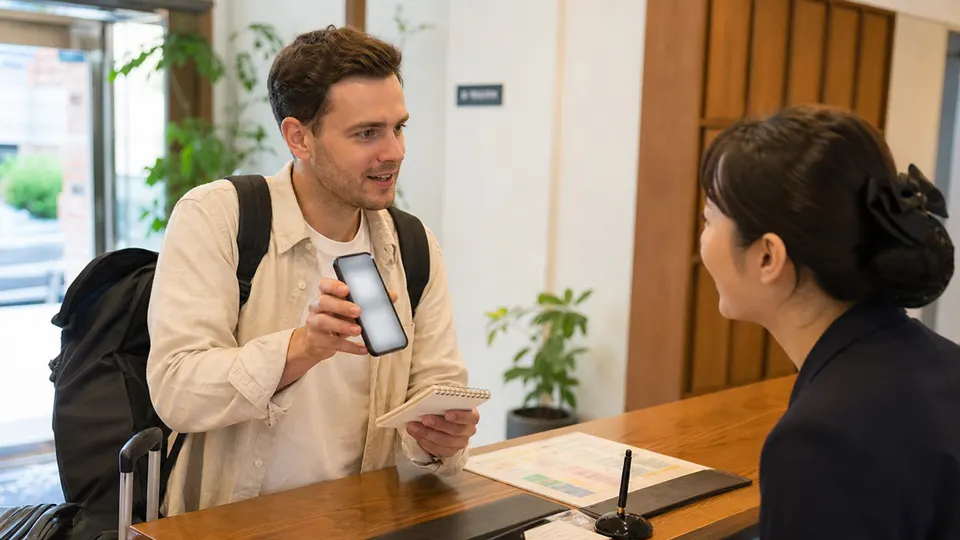
- Bring photos of product boxes and the clinic's written aftercare, but never show only a brand name—tell the pharmacist what procedure you had and when.
2. Four post-treatment pharmacy essentials
Madecassol Care Powder (마데카솔 분말)
A centella-derived topical medicine sold for specified wound-care uses. Ask whether the exact product is appropriate for your procedure and wound stage. Do not inhale it, put it near eyes, or mix it into moisturizer unless the clinic or pharmacist specifically instructs you.
Check the package insert and active ingredient; similarly named products may have different formulations.Hydrocolloid & foam dressings
Mediform, DuoDERM and other dressings come in different materials, thicknesses and indications. A hydrocolloid patch may protect selected closed or lightly exuding sites, while a foam dressing serves different wounds. Ask for the correct size, change interval and waterproofing instructions.
Replace according to professional advice; worsening redness, heat, discharge or pain needs review.Noscarna gel & Contractubex
Scar gels are used after the skin surface has closed—not on open, bleeding, weeping or infected wounds. Formulas and contraindications differ. Ask when to start, how often to apply, and whether the product fits your procedure and skin history.
Post-acne redness is not automatically a scar and may need a different assessment.Oral pain & anti-inflammatory medicine
Products such as dexibuprofen or other NSAIDs are not suitable for everyone and may interact with anticoagulants or affect the stomach, kidneys, pregnancy and bleeding risk. Tell the pharmacist your conditions, allergies and medicines; use only the recommended dose.
Severe or escalating pain after filler, threads, laser or injection is a reason to contact the clinic—not simply mask symptoms.3. Interactive pharmacist show cards
Tap 🔊 for Korean browser speech. Tap “Show” for a full-screen high-contrast card.
4. What not to buy—and when to seek help
- Avoid AHA/BHA exfoliants, retinoids, scrubs, alcohol-heavy products and unapproved home devices on healing sites until the treating clinician clears them.
- Do not take an antihistamine merely to conceal worsening swelling without checking the cause.
- Contact the clinic urgently for rapidly increasing pain, spreading redness, heat, pus, fever or unusual weakness.
- Call 119 for breathing difficulty, collapse, sudden vision change, severe facial pain with pale/dusky skin, or another emergency. Tourist interpretation: 1330.
Frequently asked questions
Can every pharmacy sell the same aftercare products?
No. Stock, formulation and prescription status vary. Call ahead and ask the pharmacist for an equivalent by ingredient and intended use rather than insisting on one brand.
Should I use a hydrocolloid patch on every laser site?
No. The correct dressing depends on the procedure, drainage, infection risk and clinic protocol. Follow the clinic's written instructions and ask the pharmacist to match the dressing type.
Can I take ibuprofen-type medicine after Botox or filler?
Not automatically. NSAIDs can be unsuitable with certain conditions or medicines and may affect bruising or bleeding. Ask the treating clinic or pharmacist based on your history.
How do I find a late-night pharmacy?
Search E-Gen or Pharm114 and confirm by phone before leaving because listed hours can change.