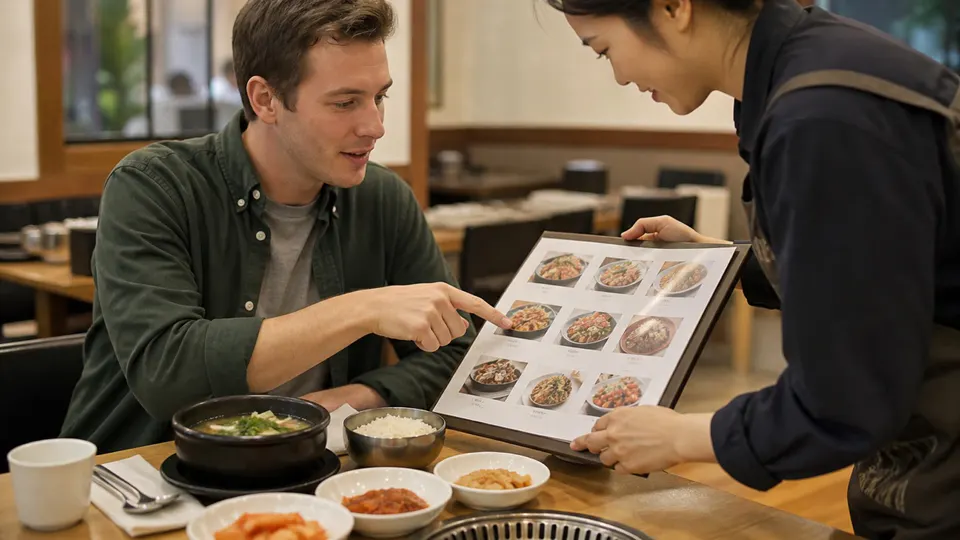
Korea's baseline rule: don't tip
Tipping is not part of everyday Korean service culture -- servers, drivers and staff are not expecting one, and pushing cash into someone's hand can occasionally cause visible confusion or a polite refusal. For the overwhelming majority of situations you'll encounter as a visitor, paying the displayed total and nothing more is the correct, expected behavior.
Where large international-brand hotels differ
Internationally branded luxury hotels in Seoul (major global chains rather than local Korean hotel brands) sometimes operate with a more Western-influenced staff culture, where bellhop or porter staff may be more accustomed to receiving a small tip for luggage handling, particularly from Western guests. This is not universal and not expected, but it's less likely to cause the same confusion it would at a local Korean-owned hotel or guesthouse.
Taxis and restaurants specifically
- Taxis: pay the metered fare exactly; rounding up slightly for convenience (not expecting change on a small amount) is fine, but a deliberate tip is not expected or customary.
- Ordinary restaurants and cafes: pay the displayed total; a service charge, if any, is already built into higher-end restaurant pricing rather than added as a discretionary tip.
- High-end restaurants or hotel dining with a printed service charge: check the bill for an already-added service charge line before considering any additional tip -- adding your own on top of a posted service charge is unnecessary.
- Tour guides on private, guided tours: this is the clearest exception -- a private guide, especially one arranged through an international tour operator, may reasonably expect a tip, and it's worth checking the tour terms in advance.
Official sources
Time-sensitive details were checked against the original sources below on 2026-08-28.