What a pojangmacha is
Pojangmacha (포장마차) are Korea's classic orange-tented street bars, traditionally set up in the evening serving anju (drinking food) alongside soju and beer, ranging from simple street-corner setups to larger semi-permanent tent restaurants especially common in areas like Jongno and around university neighborhoods. They're a genuinely distinct dining experience worth trying, though the informal, sometimes handwritten-menu setup can be a little disorienting for a first-time visitor used to more standardized pricing.
How pricing and ordering typically work
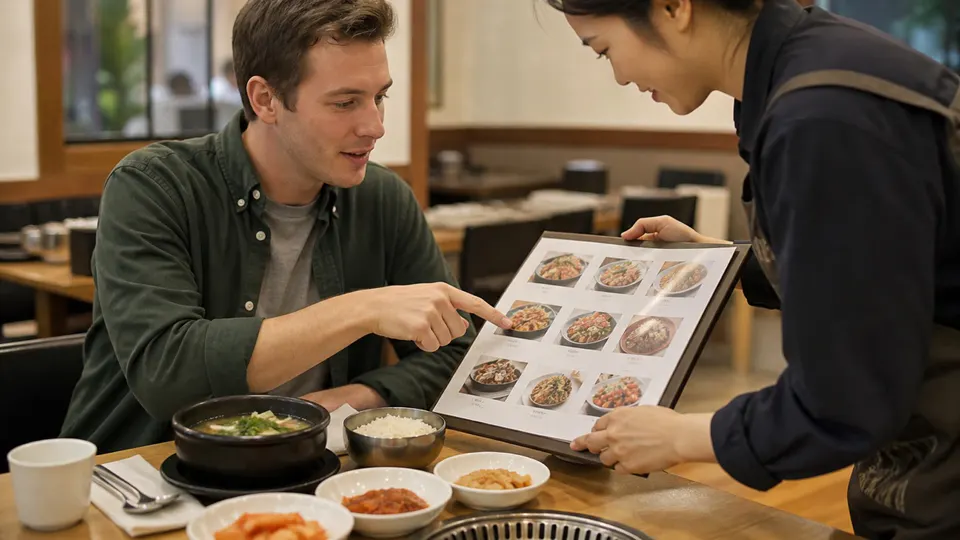
Most pojangmacha post prices on a menu board or handwritten sheet, priced per dish rather than per person, and many have an informal minimum order expectation, especially for a table taking up seating during a busy evening -- this isn't usually stated outright but is worth being aware of if you're just planning a quick single drink. Sharing a few anju dishes among a group is the typical way locals order, rather than each person ordering individually.
Avoiding a surprise bill
- Confirm prices for anything without a clearly visible price before ordering, especially seafood or larger shared dishes which sometimes price by market rate rather than a fixed number.
- Ask directly if there's a seating or minimum order policy before settling in, particularly at a busy tent on a weekend night.
- Keep track of what you've ordered as the evening goes on, since a pojangmacha tab can add up quickly across several rounds.
Group size also affects the experience meaningfully -- a larger group ordering a wider spread of shared anju dishes tends to get more value per person than a solo visitor ordering just one dish, so pojangmacha are often best enjoyed as a group activity rather than a solo stop.
Official sources
Time-sensitive details were checked against the original sources below on 2026-08-28.