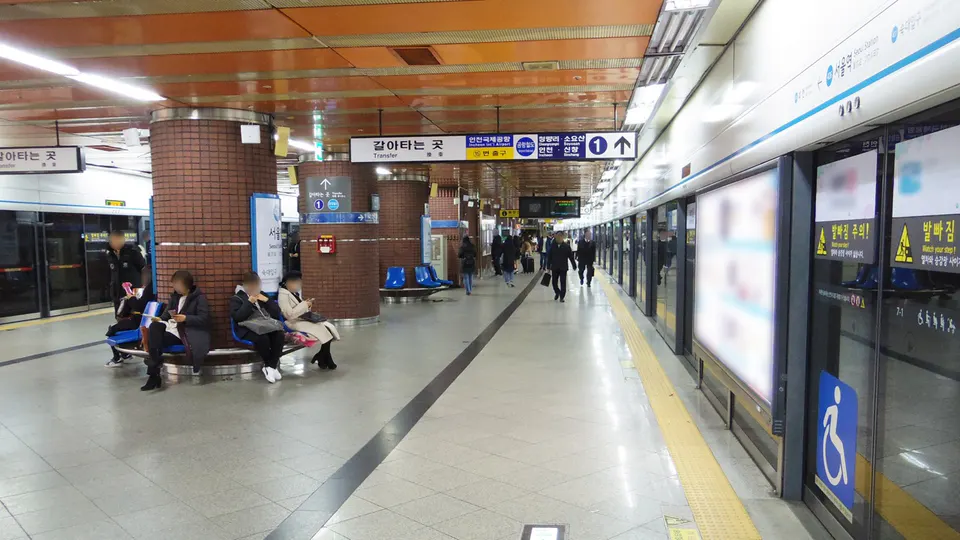
Which Korea airport taxi fits large luggage?
Published August 22, 2026 · Reviewed August 27, 2026 · Recheck fares and booking rules before travel
- Key point: Count every passenger, large case, stroller and special item before choosing a standard, jumbo or reserved vehicle.
- Price: Confirm whether the quote is metered, zoned or fixed and whether tolls, night surcharges, waiting and extra stops are included.
- Tip: Save the terminal, meeting point, Korean destination address and operator contact before landing.
Count the real load before booking
Write down adults, children, large cases, cabin bags, stroller, wheelchair and unusually shaped equipment. Send that list to the operator when reserving. “Four passengers” does not describe four 28-inch suitcases, and folding a seat for baggage reduces passenger capacity.
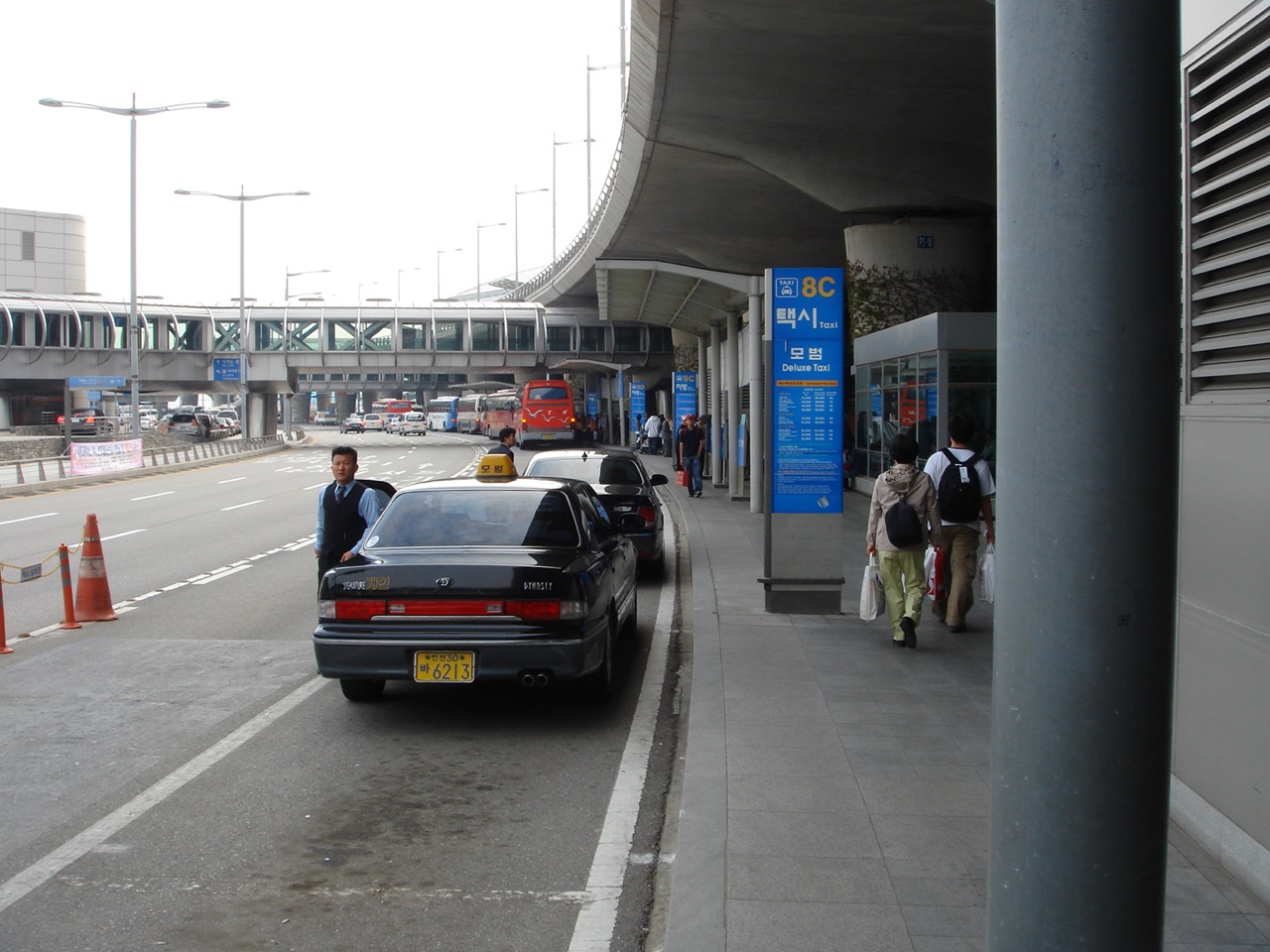
A standard taxi can suit one or two travelers with ordinary luggage. A jumbo vehicle is more appropriate for a group or several large cases. Deluxe describes service class, not automatically greater luggage space. International taxis offer foreign-language support and airport pickup, but Korea Tourism Organization says advance reservation is required.
Do not infer capacity from the taxi label
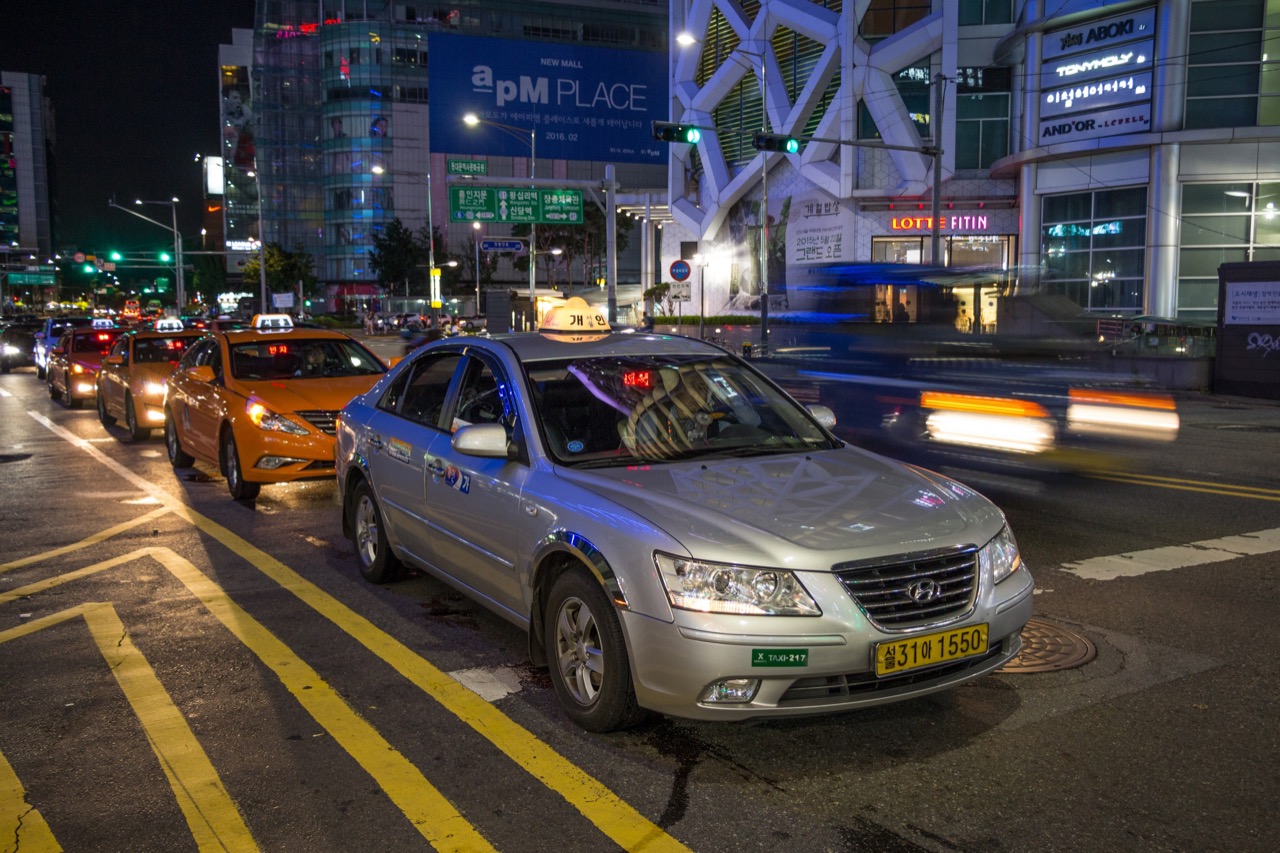
Standard, deluxe, jumbo and international are service categories, not a promise that every vehicle will take a particular suitcase count. Measure unusually large cases and tell the operator whether a stroller or mobility device folds. Ask for written confirmation of both seated passengers and luggage; “van requested” is weaker than a confirmed vehicle class and load.
If child seating or accessibility equipment is required, arrange it explicitly before travel and ask who supplies and installs it. Do not assume an airport queue vehicle carries the equipment you need. Keep a second official option in case the reserved vehicle changes.
Airport rank or reservation?
Use the official taxi rank when your arrival time is uncertain and your group is small enough for the available vehicle. Reserve when you need a jumbo vehicle, language assistance, child equipment, accessibility support or a guaranteed meeting plan. Keep the confirmation, operator contact and pickup instructions offline.
A useful reservation record includes the operator name, flight and terminal, pickup date, grace period, meeting point, passenger and bag count, destination, vehicle class, quoted fare basis and cancellation rule. After landing, use the operator's official contact rather than following a name sign that does not match the booking details.
Prepare the destination
- Save the hotel's Korean name, road address and phone number.
- Confirm the exact branch; chain hotels can have similar names.
- Show the address before departure and keep the map open.
- Ask the hotel which entrance accepts vehicles late at night.
- Do not rely only on an English nickname or social-media pin.
Understand price and payment
Regular taxis generally use a meter, with fares varying by city, taxi class, distance, time and out-of-area travel. Late-night surcharges may apply. Airport international taxis may use a zone fare for Seoul, while other trips can use a meter plus a surcharge. Confirm whether tolls and reservation fees are included.
VISITKOREA lists cash, credit cards and transportation cards as airport taxi payment methods, but a particular foreign card can still fail. Carry a second card and a modest cash backup. Ask for a receipt before leaving; it helps if you forget an item or need to dispute a charge.
Before departure, distinguish a metered trip from a documented zone or reservation fare. Ask whether airport tolls, nighttime or out-of-area surcharges and booking fees are separate. A rough map estimate is not a guaranteed taxi quote, and traffic can change a metered total.
Compare the bus and train honestly
AREX may be faster and cheaper when your lodging is near a station and everyone can handle the bags. An airport limousine bus may reduce transfers, but you still need to reach the final address. A taxi becomes more reasonable when its fare is shared, arrival is late, the group includes children or mobility needs, or multiple transfers would be difficult.
Verify the vehicle before loading
Match the license plate, operator and driver details with the official booking or taxi-rank process. Confirm the Korean destination and approximate route before bags go into the vehicle. Photograph or note the plate and keep the booking reference accessible, especially when several similar vans are waiting.
Load passports, medication, wallets and electronics last so they remain with you if the group or luggage is divided. Count every bag at the curb and again before the vehicle leaves the destination.
Make the curb handoff auditable
- Confirm the official queue or the booked operator and vehicle.
- Show the Korean road address and exact hotel branch before loading.
- Agree on the fare basis and which extras may apply.
- Count bags as they enter the trunk and passenger compartment.
- Keep the plate, booking record and payment receipt until every bag is inside the accommodation.
If the group must split
Give every passenger the Korean address, property phone number and a way to communicate independently. Decide who travels with children, mobility equipment and essential documents. Use the same official rank or booking channel for both vehicles and set one obvious meeting point inside the accommodation.
If something is left behind
- Keep the receipt, plate number, pickup time and payment record.
- Contact the booking operator or taxi company through its official channel.
- Describe the item and where it was placed without sharing unnecessary identity data.
- Ask the hotel desk for language help if the driver cannot be reached.
- Use police lost-property assistance when the operator cannot locate it.
If no vehicle fits
Do not force luggage into the passenger area or block visibility. Ask the official desk for a larger vehicle, split the group into two taxis with both destination details saved, or use a luggage-delivery service and travel separately. Keep passports, medicine, electronics and irreplaceable items with you.
Official sources
- VISITKOREA airport transportation guide
- VISITKOREA taxi guide
- Incheon International Airport: official taxi guide
Continue: Airport train vs bus · Luggage storage · Late arrival