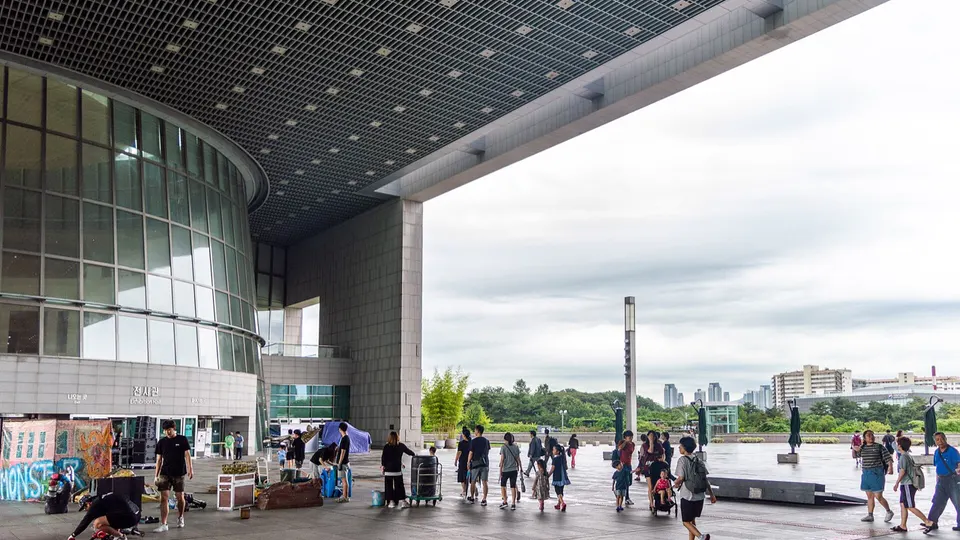
K-drama filming locations in Seoul you can visit respectfully
Before you follow a filming-location post
A scene can be assembled from several places, and fan captions can confuse the fictional name with the real address. Confirm the location through an official tourism or venue source, then check current opening information. A location being visible on television does not make its interior public.
Netflix availability also varies by country and time. Koursea uses the platform or title as a discovery clue, not a promise that a series is currently available in every region.
Verify a location in four steps
- Separate fiction from geography. Search the real Korean place name, not only the character's school, home or restaurant name.
- Find a public authority. Prefer the venue, Seoul tourism or another official operator page for the address and visitor rules.
- Check the current function. A former cafe may now be another business; an exterior can remain visible while the interior is unrelated or private.
- Verify on the day. Recheck hours, reservations, weather, event closures and the last return route before traveling.
Save the Korean name and street address offline because English spellings vary across map services. Use a current street or venue image only to recognize the public entrance, not to identify a resident or bypass a barrier. If the evidence stops at a fan caption, label the place unconfirmed and choose a better-supported stop.
1. Dongdaemun Design Plaza (DDP)
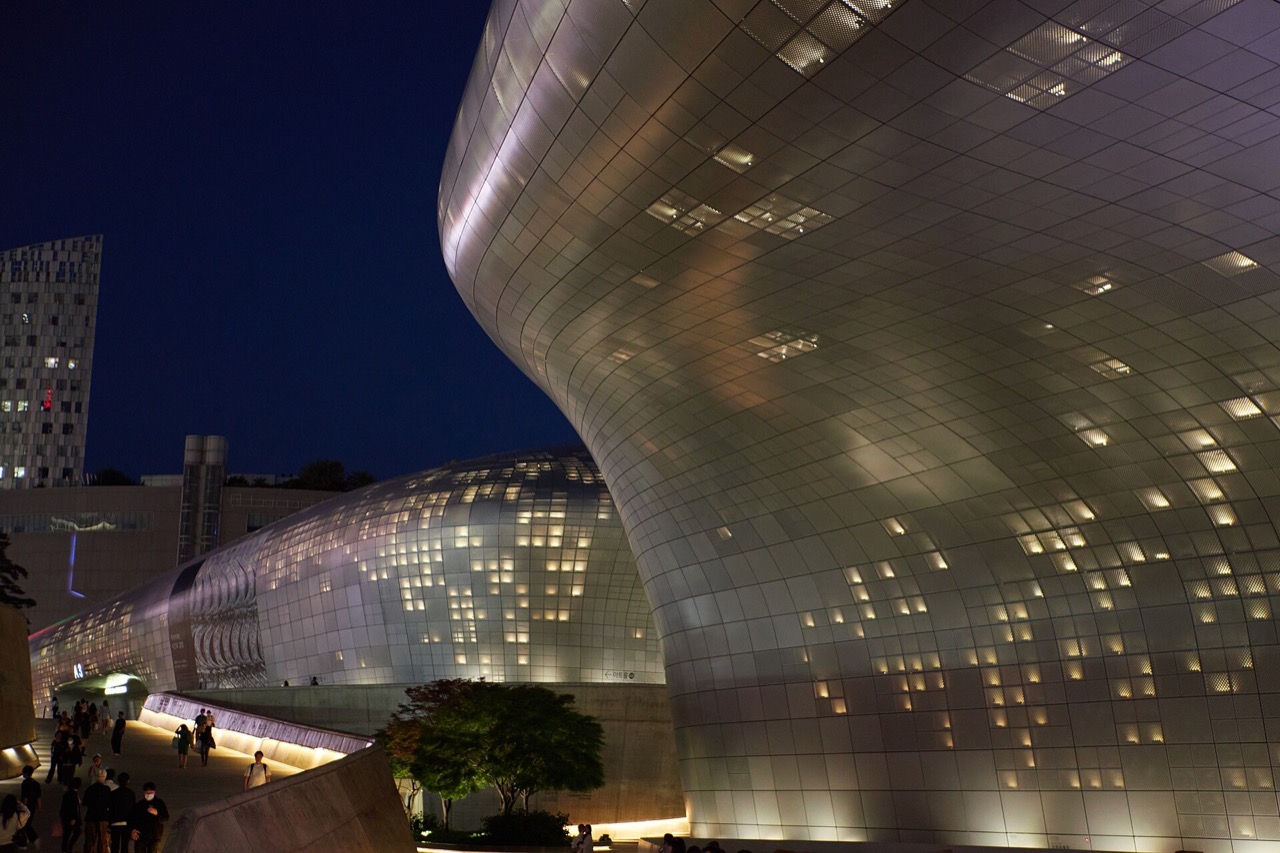
DDP is a large public cultural complex beside Dongdaemun History & Culture Park Station. Seoul's official tourism guide identifies it among the real Seoul locations featured in XO, Kitty. It also hosts exhibitions, fashion and public events, making it a strong stop even if a specific filming zone is closed.
Plan for: event closures, different indoor hours and a very different nighttime atmosphere. Photograph public architecture without blocking entrances or active event operations.
2. N Seoul Tower and Namsan
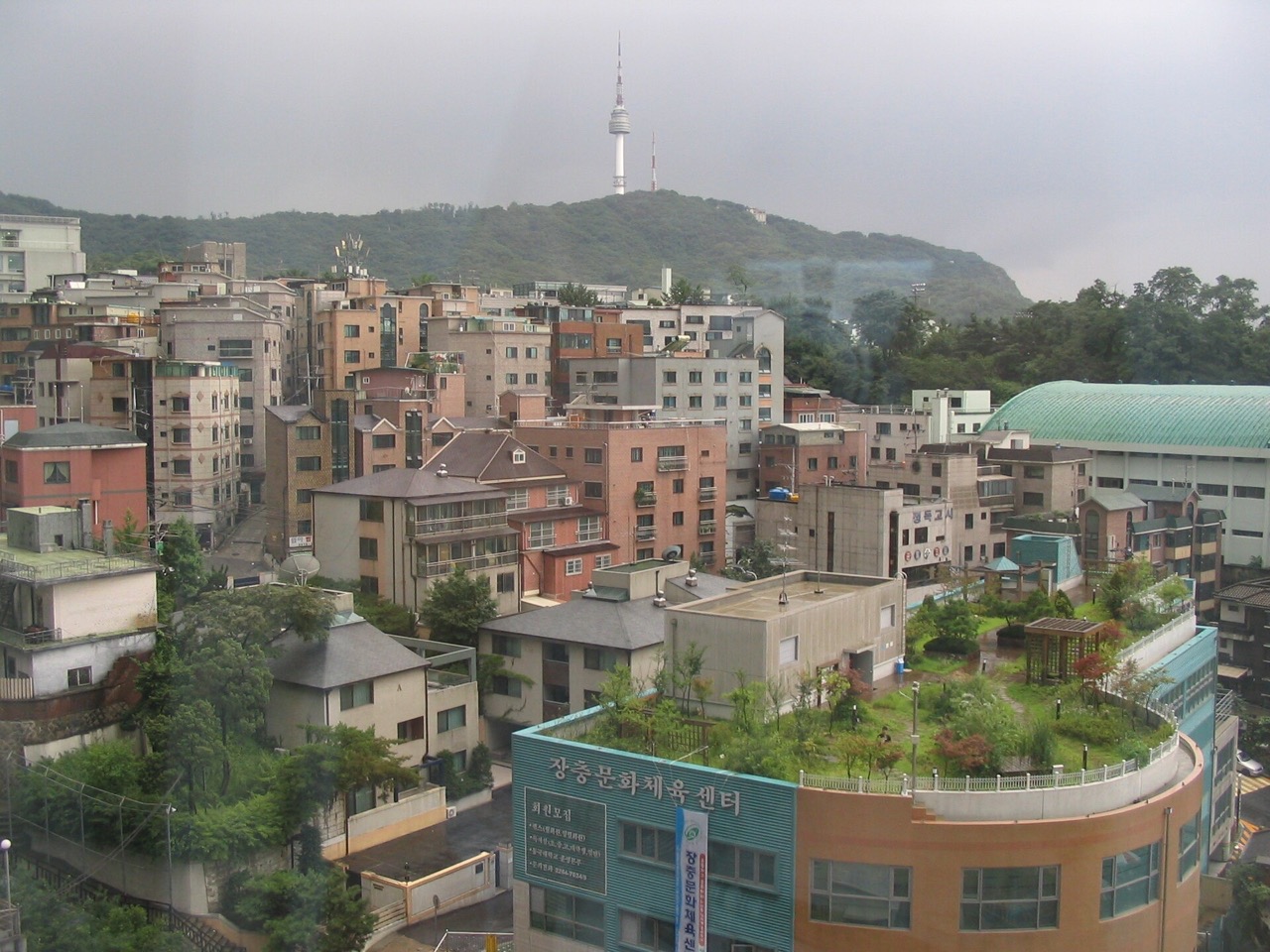
The tower and surrounding mountain are recurring screen landmarks and established attractions. The official Seoul tourism listing provides current transport and venue information. Decide whether your goal is the free outdoor viewpoint, the paid observatory or a walking route; they require different time and energy.
Plan for: hills, weather and queues. The scene's camera angle may come from a trail or plaza rather than the observatory.
3. Seoul City Wall and Naksan section
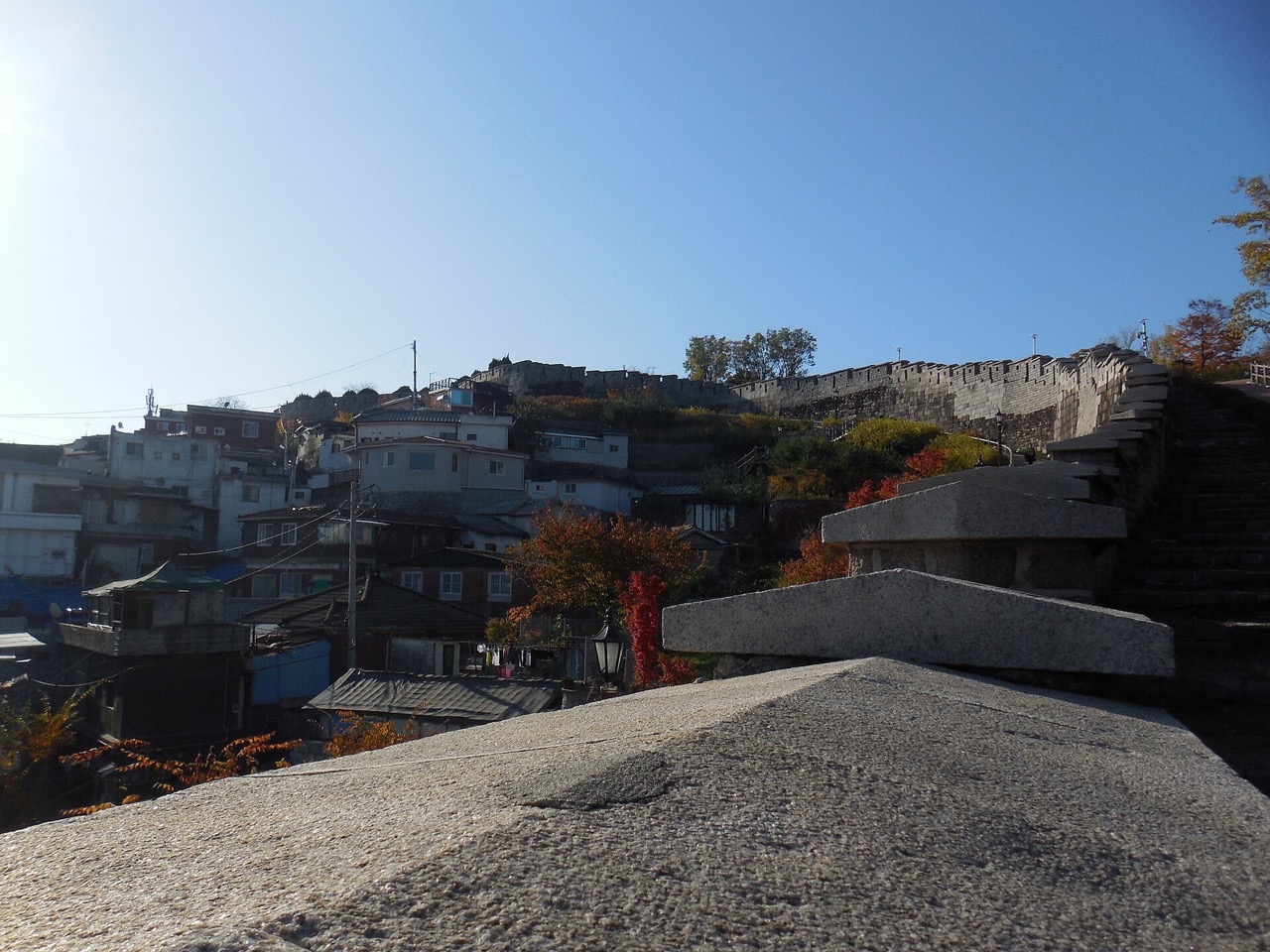
The Seoul City Wall runs across several mountains and neighborhoods. Visit Seoul lists the historic wall as a K-drama location and provides public transport guidance. Naksan is popular because a city view and wall walk can fit into a wider Jongno or Dongdaemun day.
Plan for: slopes, uneven surfaces, heat or ice. Keep voices low near homes and do not use residential doorways as photo sets.
4. National Museum of Korea
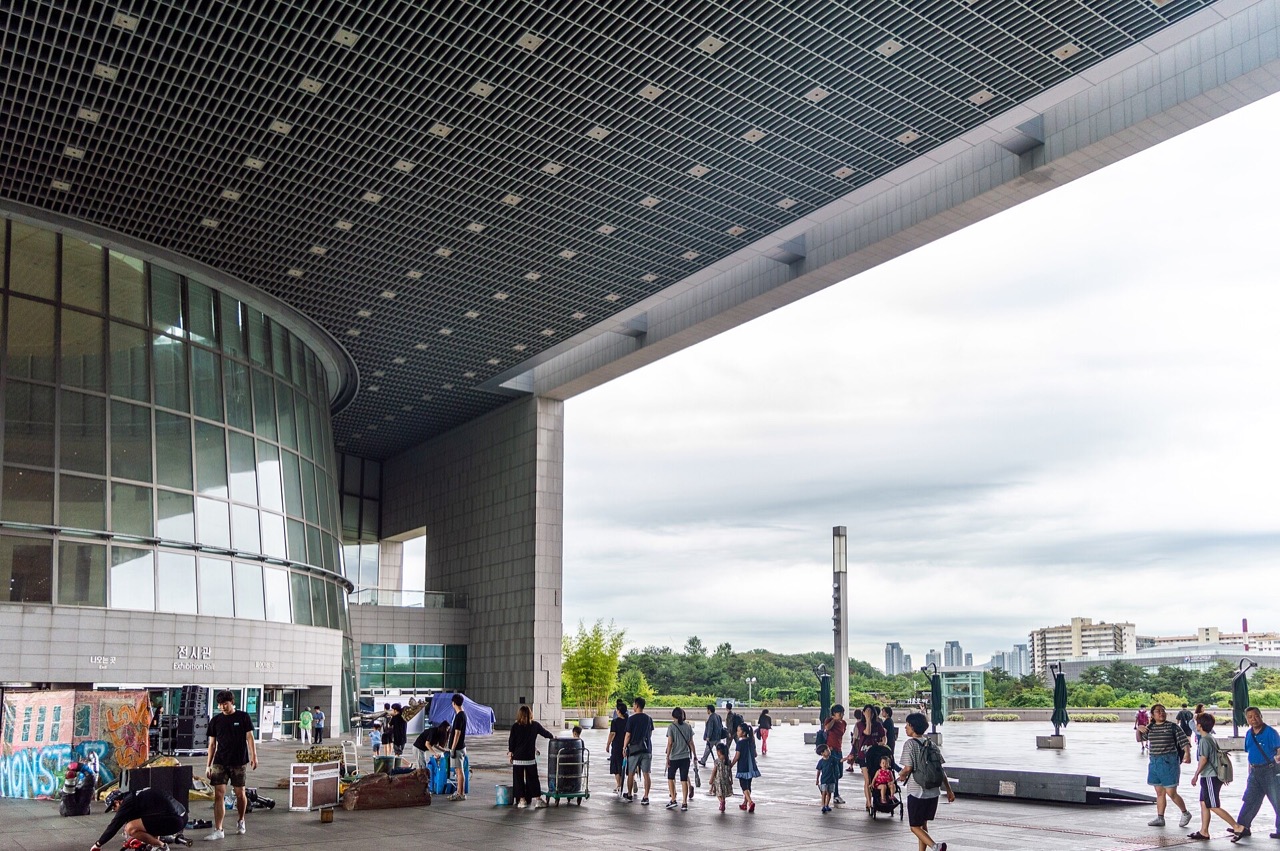
The National Museum appears in Seoul's official media-course recommendations and is a useful culture stop regardless of screen recognition. Its collections provide context that a drama-themed photo alone cannot. Check exhibition reservations, closure days and photography rules on the museum's own site.
Plan for: enough time. Treat galleries as museums, not backdrops; never use flash or equipment where prohibited.
5. Nodeul Island
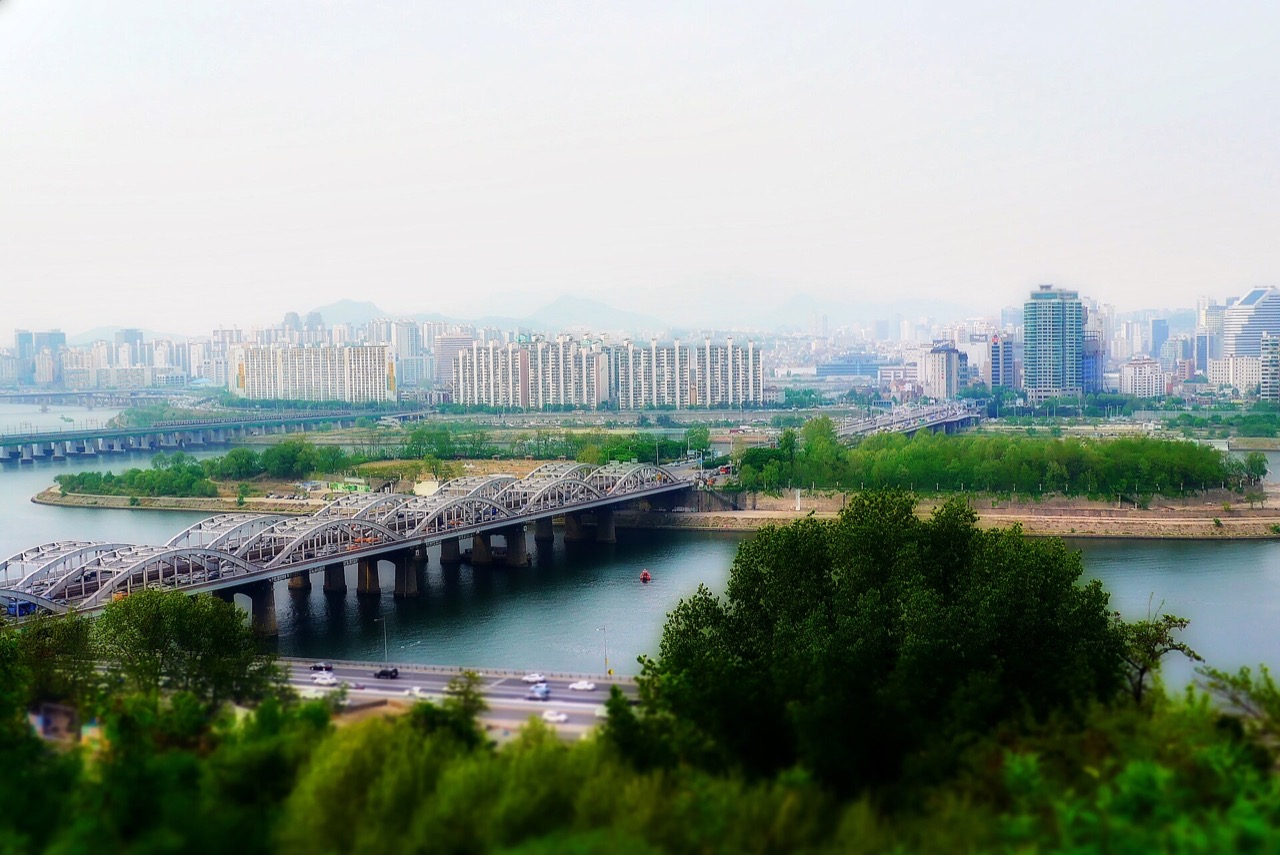
Nodeul Island is a Hangang cultural space included in Seoul's official media course. Performances and temporary events can affect access and atmosphere, so check its official program before building a route around one image.
Plan for: outdoor weather, event barriers and the walk from public transport. Sunset is attractive, but confirm the return route after dark.
Sewoon Sangga and Vincenzo
Sewoon Sangga was used for the exterior and rooftop of the drama's Geumga Plaza. It remains a public shopping arcade and elevated walkway, so ordinary visitor access does not include private shops, workspaces or closed areas.
Build a better half-day route
Group by geography rather than by series. DDP pairs naturally with Dongdaemun; Naksan and the City Wall pair with Ihwa or Hyehwa; N Seoul Tower fits a Myeongdong or Namsan day; the National Museum works with Yongsan; Nodeul Island can connect to a Hangang evening. Two well-planned locations are usually more satisfying than six rushed photo stops.
Build the route around access needs
Screen locations are selected for camera effect, not visitor accessibility. Namsan and Naksan involve slopes; wall paths can be uneven; outdoor spaces may have few sheltered rests. Check the venue's accessible entrance and elevator information directly, and use a taxi only to an authorized public drop-off point. Do not assume the closest map pin is the easiest entrance.
Allow a weather alternative for every outdoor stop. The National Museum or a current DDP exhibition can replace a hill walk, but reservations and closure days still need confirmation. Carry water in hot weather, use shoes suitable for slopes and avoid recreating a night scene alone in an isolated area merely to match the lighting.
Recreate the frame without disrupting the place
- Use a phone or small camera where ordinary visitor photography is allowed; tripods and commercial equipment may need permission.
- Wait for a safe position instead of standing in a road, cycle lane, doorway or station flow.
- Frame out residents, children, staff and vehicle plates when possible, and do not publish an identifiable stranger as background decoration.
- Buy something if you use a working cafe as a customer, but a purchase still does not grant access to staff areas or unlimited filming time.
- Leave when staff, security or a resident asks. A scene reference is not a permit.
If the place has changed
Do not pressure a new business to reproduce a previous tenant's interior or remove a “closed” barrier for a photo. Record the change privately, report a stale listing to the source and use the neighborhood as an ordinary travel stop. A changed facade can still explain how productions transform locations, but the guide should clearly distinguish historical filming evidence from current visitor access.
What fans appreciate—and what can disappoint
Often appreciated: seeing how an ordinary Seoul place becomes cinematic and discovering nearby neighborhoods. Common disappointment: the angle looks different, interiors are private, businesses changed or the scene used set extensions. Treat exact recreation as uncertain and enjoy the real place on its own terms.
Seoul filming-location questions
Which K-drama filming locations can you visit in Seoul?
Public-space options include Dongdaemun Design Plaza, N Seoul Tower and Namsan, the Seoul City Wall and Naksan section, the National Museum of Korea and Nodeul Island. Check each venue’s current access, hours and event restrictions before visiting.
Is Naksan Park a K-drama filming location?
Visit Seoul identifies the historic Seoul City Wall as a K-drama location. The Naksan section is popular because the wall walk and city view can fit into a Jongno, Hyehwa or Dongdaemun day. Stay on public paths and keep noise low near homes.
How many Seoul filming locations fit into a half day?
Two well-planned locations are usually more realistic than six rushed stops. Group places by geography, such as DDP with Dongdaemun or Naksan with Hyehwa, and include slopes, transfers, weather and current access in the route.
Can visitors enter a private filming location?
A screen appearance does not make a home, school, apartment, working shop, closed set or staff area public. Visit only where ordinary visitor access is clearly allowed, follow staff instructions and skip the shot when access is unclear.