Reading an itemized Korean restaurant bill
An itemized receipt typically lists each dish ordered with its individual price, followed by any additional charges, and a total -- most Korean restaurants use POS systems that generate a clear, itemized printout on request, even if the initial slip handed to you is just a payment confirmation. Menu prices displayed in the restaurant should generally match what appears on your itemized bill, and a mismatch is worth asking about directly.
Common legitimate add-on charges worth recognizing
- A per-person seating or table charge at some specialty restaurants, usually disclosed on the menu or a posted sign rather than added silently.
- Side dish (banchan) refill charges at a small number of restaurants that don't offer free refills -- most do, but it varies.
- A service charge at some higher-end restaurants, which should be clearly stated on the menu in advance, not added as a surprise.
Questioning a bill politely
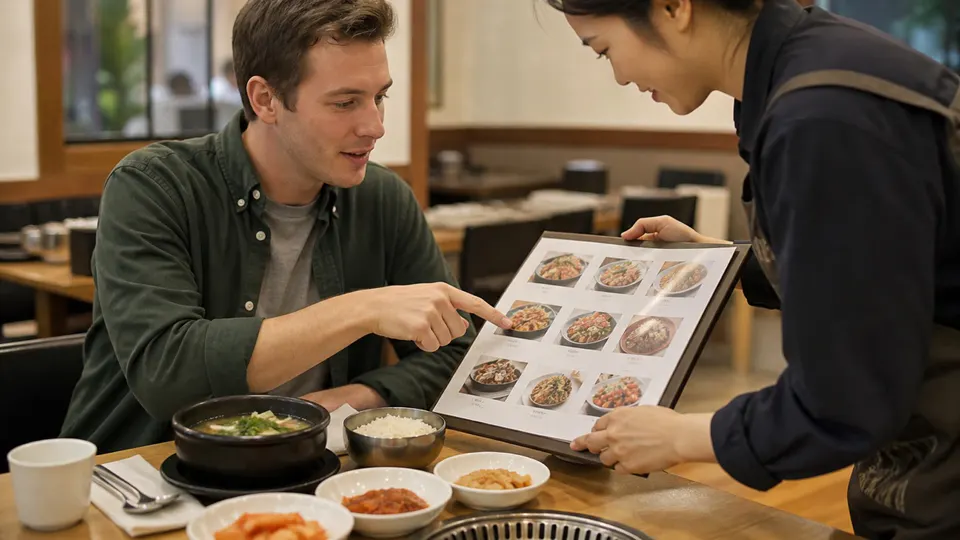
If a charge doesn't match what you remember ordering or seeing on the menu, simply point to the specific line item and ask "이게 뭐예요?" (what is this?) or use a translation app -- staff are generally responsive to a polite, specific question about one line rather than a general complaint about the total. Keeping your receipt after paying gives you something concrete to reference if a question comes up later.
Paying by card generally leaves a clearer paper trail than cash if a billing question comes up later, since your card statement provides an independent record of the exact charged amount separate from the printed receipt, which is useful if you need to escalate a dispute afterward.
Official sources
Time-sensitive details were checked against the original sources below on 2026-08-28.