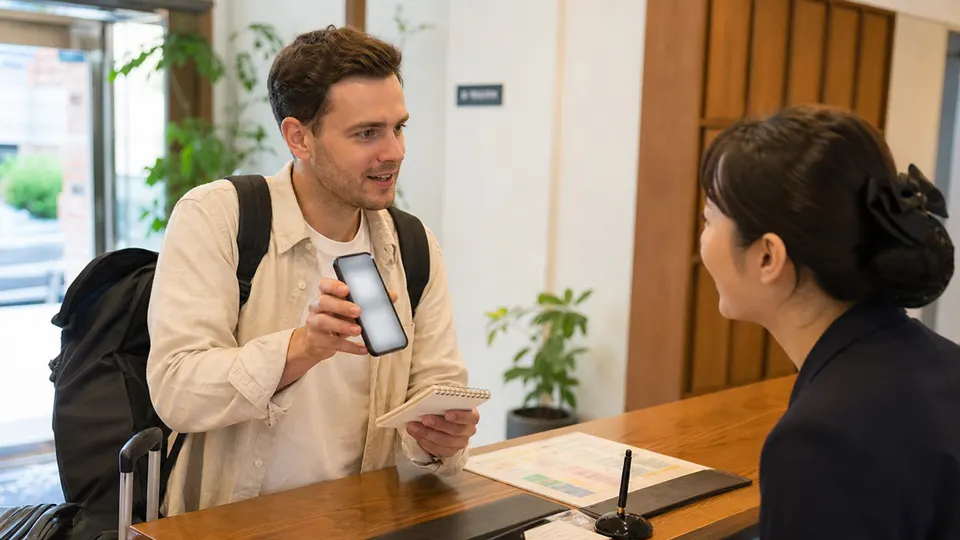
Recognize the situation and choose the right channel
Lost Credit Card in Korea: Immediate Blocking and Emergency Cash Options is designed as a practical response plan, not a substitute for police, medical, airline, immigration or financial professionals. The relevant service area is Contact the issuing bank first, then local police if theft or fraud is suspected. Keep at least two cards separately and know the issuer's international callback procedure. If anyone is in immediate danger, move to a safer place and contact the appropriate emergency service before collecting perfect documentation. Give the exact address, a visible landmark, floor or platform, and a callback method.
Prepare before you need the service
Issuer hotlines vary; use the number in the banking app or official website. Save official contacts and essential Korean addresses offline, because roaming, battery power or public Wi-Fi can fail at the worst moment. Lock the card, review transactions, preserve evidence and switch to a backup payment method. Keep a passport copy, insurance details, card issuer numbers and key reservations separately from the originals. A short written timeline with time, place, route, receipt and staff name is more useful than relying on memory after a stressful event.
Follow the safest step-by-step response
First, confirm what happened and prevent additional loss or exposure. Second, contact the operator or authority through an official website, app, counter or published phone number. Third, preserve screenshots, receipts, ticket numbers and photos without posting sensitive data publicly. Fourth, ask for a case, report or reference number and write down the next checkpoint. Replacement and cash-advance fees vary. Ask about interpretation before agreeing to a document you cannot read, and do not sign blank or incomplete forms.
Avoid common secondary problems
Do not share one-time passwords or install remote-access apps for anyone claiming to recover funds. Treat unsolicited direct messages, payment links and remote-access requests as suspicious. Do not share one-time passwords, full card details or passport scans with an unverified account. When time-sensitive travel is affected, tell the airline, hotel or booking provider early and request written options. Current signs, official alerts and staff directions take priority over an older travel post.
Build a backup and close the case
Keep a second payment method, charging cable, small cash reserve and offline route. For health concerns, disclose allergies, medicines and relevant conditions; for financial or crime issues, monitor accounts after the immediate report. Before leaving a counter, repeat the agreed action, deadline and collection location. Later, retain documents for insurance or reimbursement and remove unnecessary sensitive files from shared devices. If the issue remains unresolved, use 1330 for travel guidance or interpretation, but use 112 or 119 for immediate police, fire or ambulance emergencies.
Official sources
Time-sensitive details were checked against the original sources below on 2026-08-28.