How this scam typically works
Unlicensed drivers, sometimes called "call vans" or informal private cars, approach arriving travelers directly inside terminals or near exits, offering a ride at what sounds like a reasonable flat price, then charging significantly more on arrival, or in some cases behaving in ways that make the traveler feel pressured to simply pay and get out. This targets exactly the moment travelers are most vulnerable -- tired, carrying luggage, unfamiliar with the area, and eager to just get to their hotel.
Spotting a legitimate, licensed taxi
- A licensed taxi has a visible taxi registration plate, company markings, and an in-vehicle meter -- an unmarked private car is not a legitimate taxi regardless of what the driver claims.
- Legitimate taxi stands at airports and major stations are clearly marked with signage and typically have a queue system or staff directing passengers.
- A legitimate driver will use the meter or a properly booked app fare, not a verbally negotiated flat cash price.
Safer alternatives at the airport
Booking a ride through Kakao T before you even reach the taxi stand, or joining the official marked taxi queue rather than accepting an approach from someone inside the terminal, avoids this risk almost entirely. Airport limousine buses and the airport railroad are also reliable, fixed-price alternatives worth considering, especially for a straightforward route into the city.
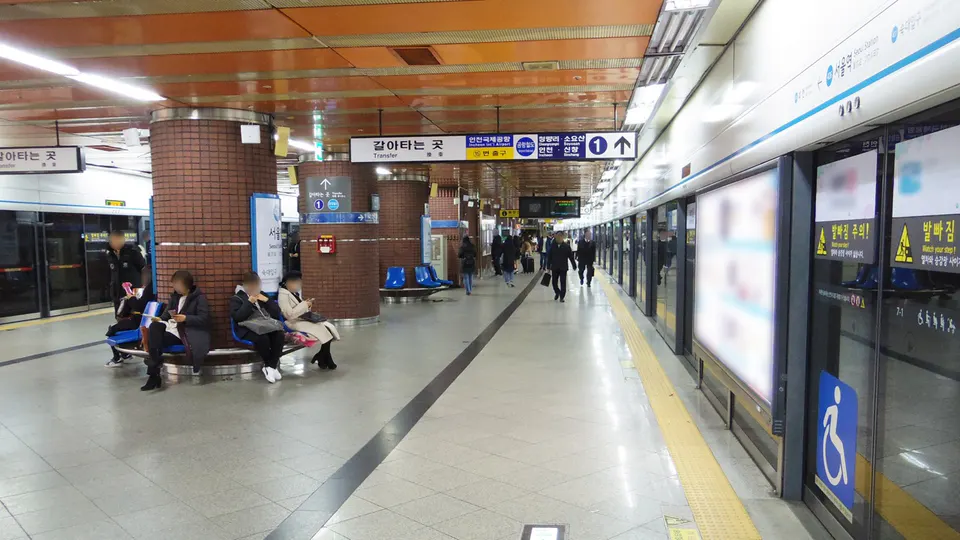
This same caution applies at major train stations, not just airports -- Seoul Station and other high-traffic transit hubs occasionally see similar informal solicitation, so the same rule of heading straight to the marked, staffed taxi queue rather than accepting an approach applies just as much there.
Official sources
Time-sensitive details were checked against the original sources below on 2026-08-28.