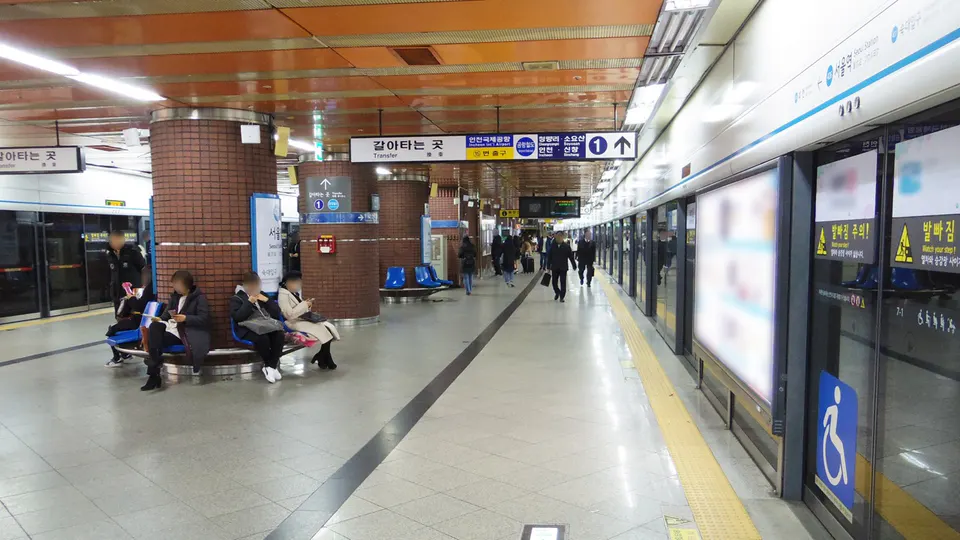
Seoul subway last train: check the whole journey
Why one time is misleading
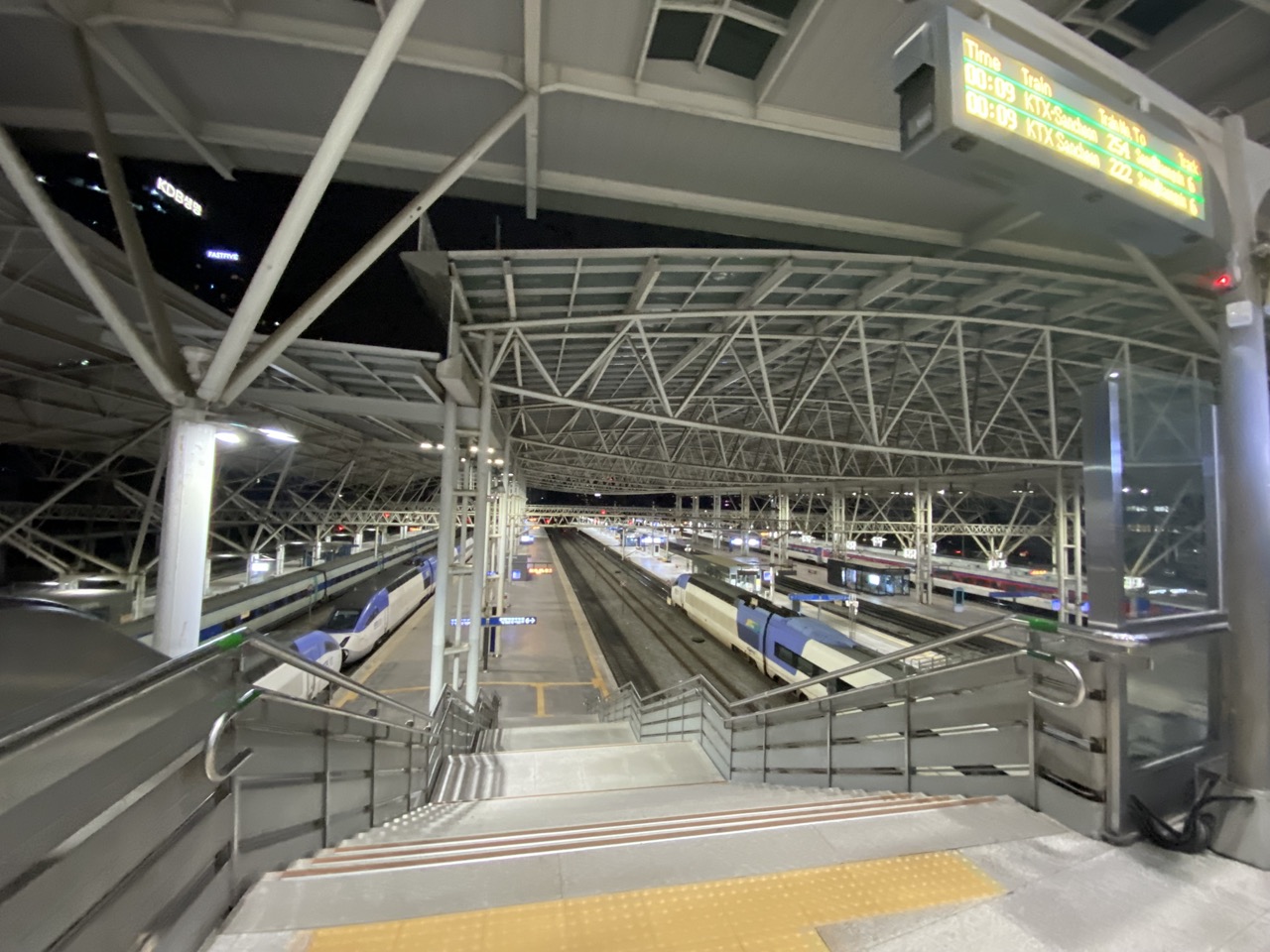
Seoul’s network combines services run by different operators and includes branches, short-turn trains and through services. The final train toward a direction may not travel to the end of the line. Weekends, holidays, planned work, events and emergency adjustments can change service. A search snippet or old social post is therefore weak evidence for tonight’s trip.
1. Correct station and line
2. Correct direction
3. Train’s displayed final station
4. Transfer station arrival time
5. Last train on the next line
6. Walking time from platform to platform
Read the destination shown on the train
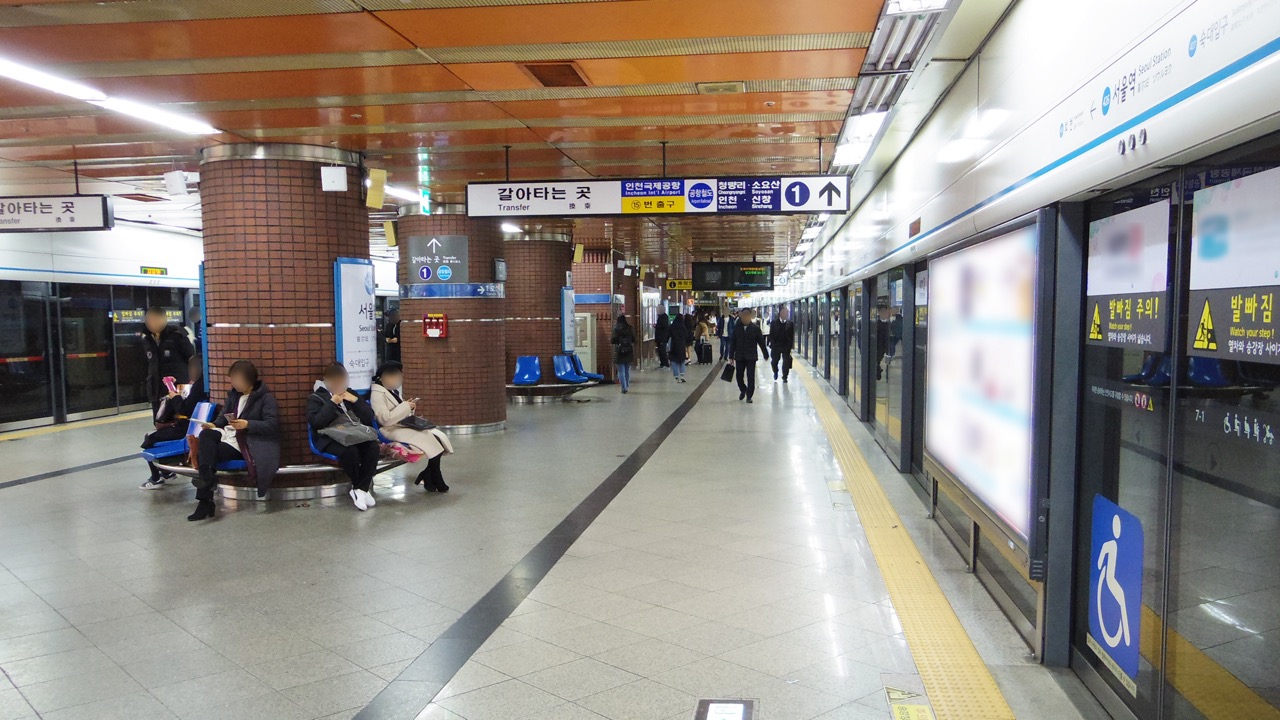
Two trains on the same platform and in the same general direction can terminate at different stations. Compare the destination on the platform display and train with the station you need. If your stop is beyond the displayed terminus, the train is not a complete solution even though it travels in the correct direction.
Branch lines need extra attention: the line color alone may not identify the correct branch. Save the Korean station name and verify the final destination before boarding.
Plan the last transfer, not only the first train
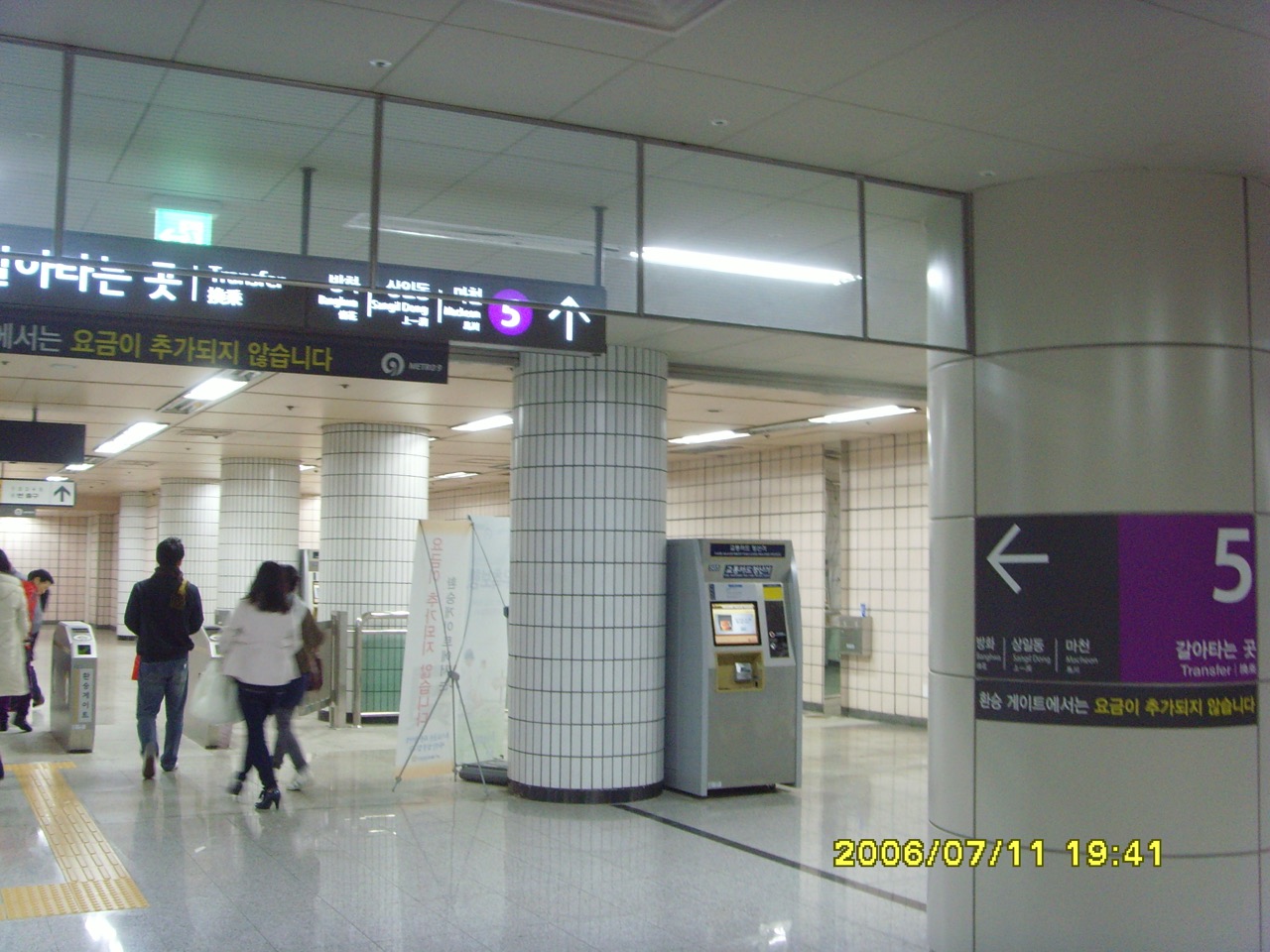
A route can look possible because the first segment still runs while the connecting line has already finished. Add a generous buffer for large stations, long corridors, lifts, crowds and unfamiliar exits. If missing the connection would create an expensive taxi ride, target an earlier train rather than the theoretical last connection.
Use a door-to-door cutoff
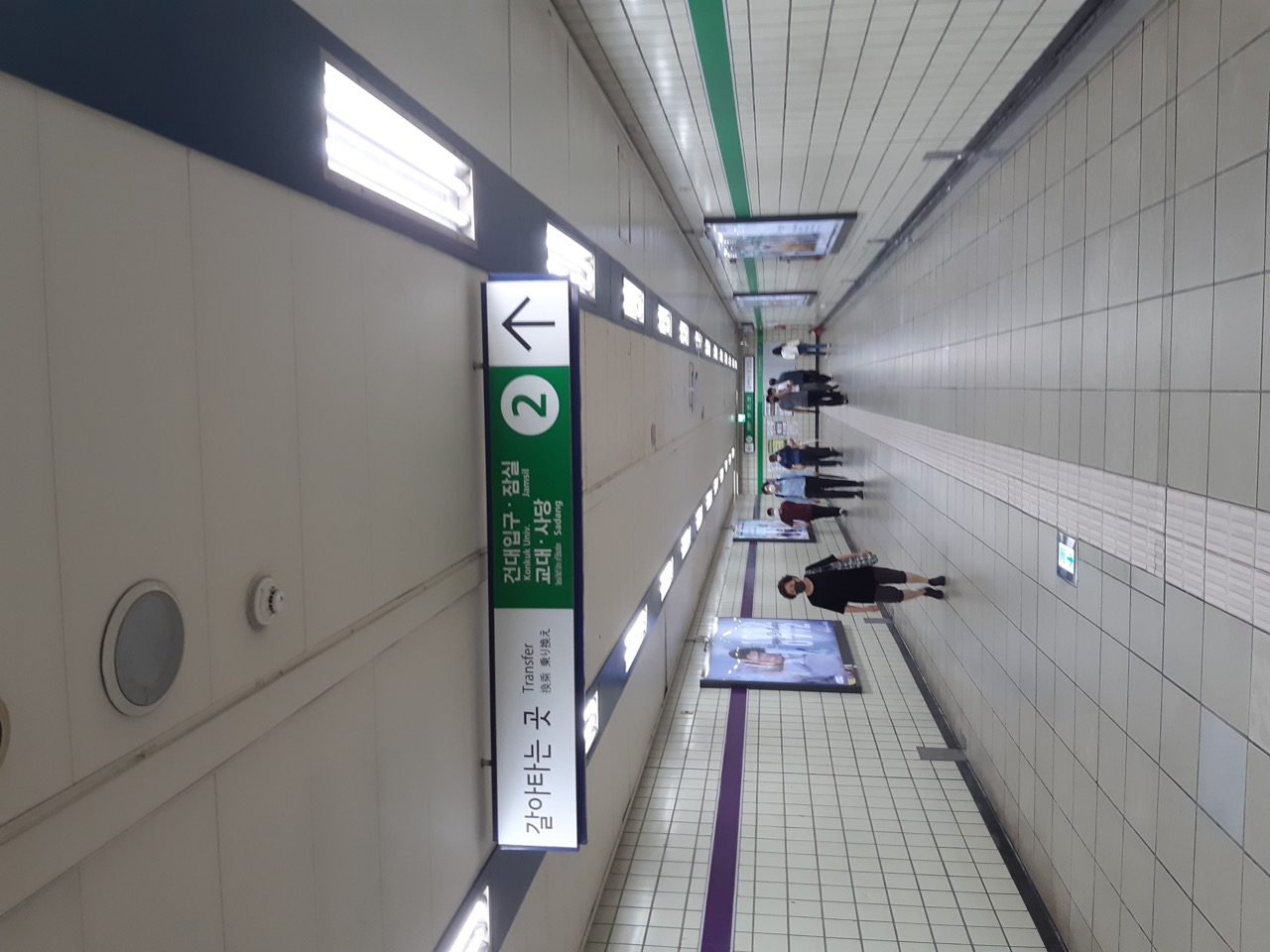
Work backward from the time you want to reach the accommodation. Include walking to the departure station, finding the correct platform, every transfer, the final station exit and the walk after arrival. Then set a “leave now” alarm earlier than the last theoretical route.
A practical buffer should grow when you have luggage, need elevators, travel with children, do not read Korean signs comfortably or use a large interchange. The objective is a repeatable route, not the latest mathematically possible departure.
Check the service twice
- Before the evening: identify the planned route, final destinations and backup.
- Before leaving: rerun the route for the current time and date.
- At the station: follow the platform display, destination board and staff announcement.
If these sources disagree, prefer current station and operator information and leave earlier. A cached route result is not evidence that a connection is still available.
Use live and official information
Check a current route planner shortly before leaving, then compare it with station displays and announcements. Seoul government notices direct passengers to official apps or TOPIS for special operations and warn that times for operators such as KORAIL can differ. On a holiday or major event night, look for a dated official notice; do not assume service will be extended.
Choose the backup before the network closes
A night bus may be economical but can require a different stop, a longer ride and another walk. Save the stop in both Korean and English and verify the direction of travel. A taxi can be simpler, especially for a group, but choose an official pickup point and show the Korean road address.
If only the final subway segment is unavailable, compare a taxi from the transfer area with a taxi from the current location. Do not stay on a train merely because it is moving; a distant terminus can leave you farther from the destination.
Build a late-night backup
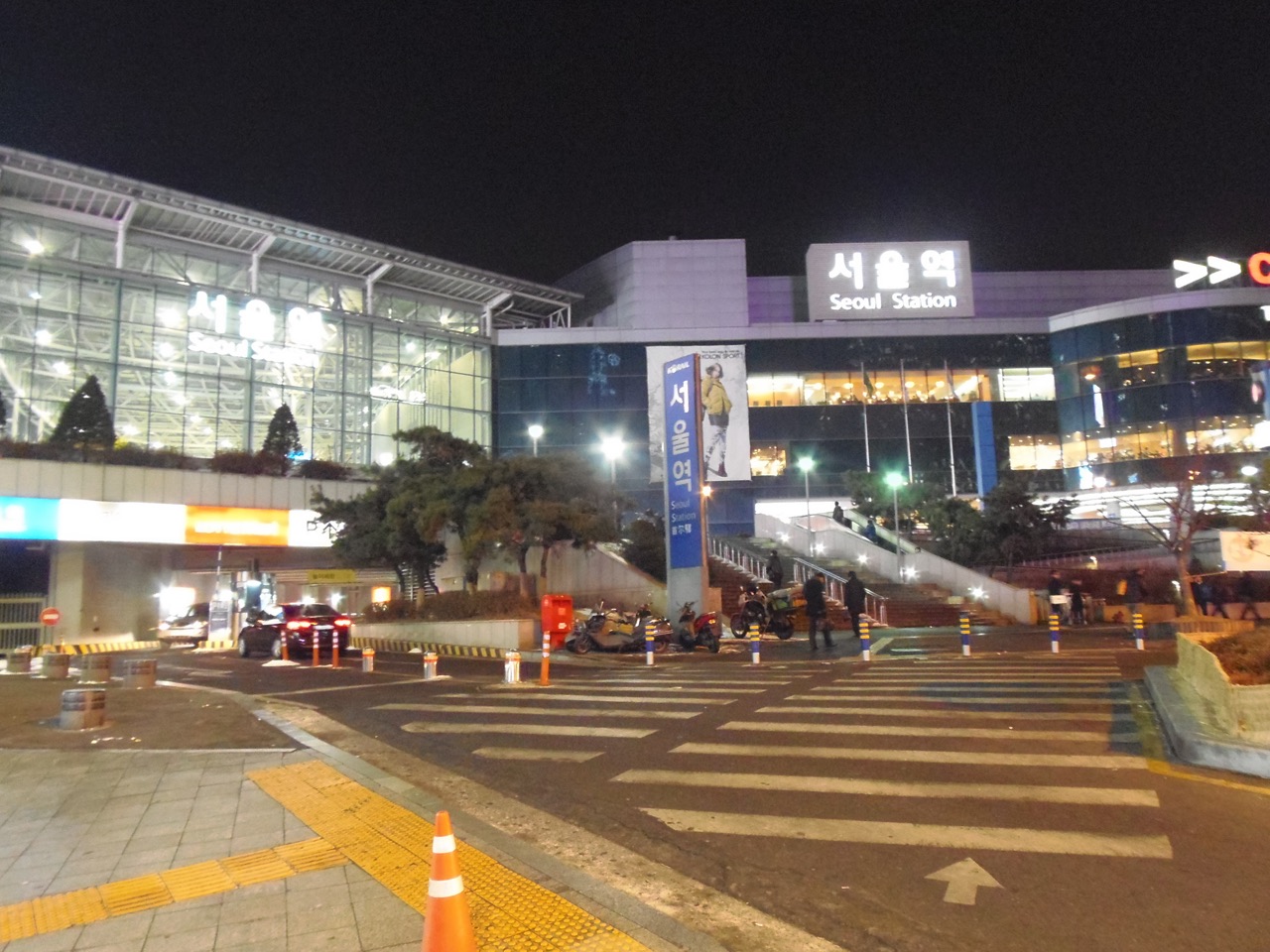
Save your hotel address in Korean, keep enough battery and maintain both card and cash payment backups. Identify an official night-bus route or a well-lit taxi pickup point before the subway closes. Airport late-night services are separate from ordinary city night buses and their terminals, stops and times must be checked on the Incheon Airport website.
If you miss the connection
- Move to a staffed or well-lit public area and stop rushing.
- Confirm where the current train or station leaves you.
- Check the saved night-bus or authorized taxi option.
- Send the updated arrival time to the accommodation if check-in is affected.
- Keep enough phone battery for navigation and contact after the ride.
Seoul last-train questions
What time is the last subway in Seoul?
There is no single citywide closing time. The useful last train depends on the station, line, direction, displayed final destination, date and every transfer needed to reach the destination.
How can I check the Seoul subway last train tonight?
Run the complete route for the current date and time, then compare it with current station displays, announcements and official transport information. Check the first departure, every transfer and the final station reached by the train.
Does the last Seoul subway train go to the end of the line?
Not necessarily. Late trains can terminate before the end of a line, and branches or through services may have different destinations. Read the displayed terminus and confirm that it reaches the required stop.
What should I do if I miss the last subway in Seoul?
Move to a staffed or well-lit public area, confirm the current location and use a previously checked night-bus or authorized taxi option. Keep the destination address in Korean and preserve enough phone battery for navigation and contact.
Useful station questions
- 이 열차가 ___역까지 가나요? — Does this train go as far as ___ Station?
- ___행 막차가 끝났나요? — Has the last train toward ___ finished?
- 심야버스 정류장이 어디예요? — Where is the night-bus stop?
Official sources
- Seoul TOPIS: current transport information
- Seoul Metropolitan Government: subway information
- Incheon Airport: late-night buses
Koursea method: official operator and city information establishes the current service. This page provides an original decision process and intentionally avoids publishing a fragile universal last-train time.