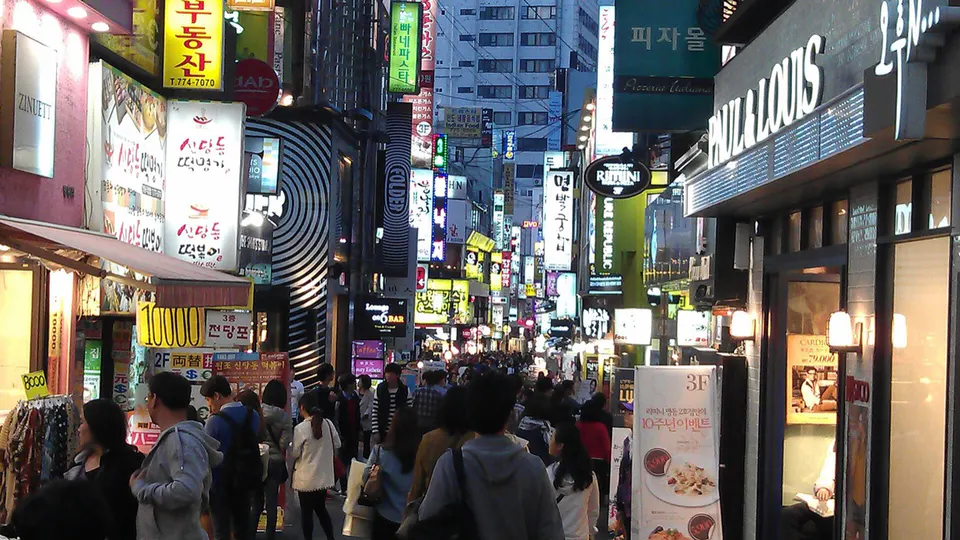
Solo drinking in Korea: choose the bar before the drink
Published August 22, 2026 · Reviewed August 27, 2026 · Confirm current hours, menu and admission rules with the venue
- Key point: Choose a counter, pub or hotel bar that clearly welcomes one-person orders and confirm identification rules.
- Price: Ask about cover charges, required food, bottle minimums and service fees before sitting down.
- Tip: Pace drinks with water and food, keep control of the glass and set the safe route home before ordering.
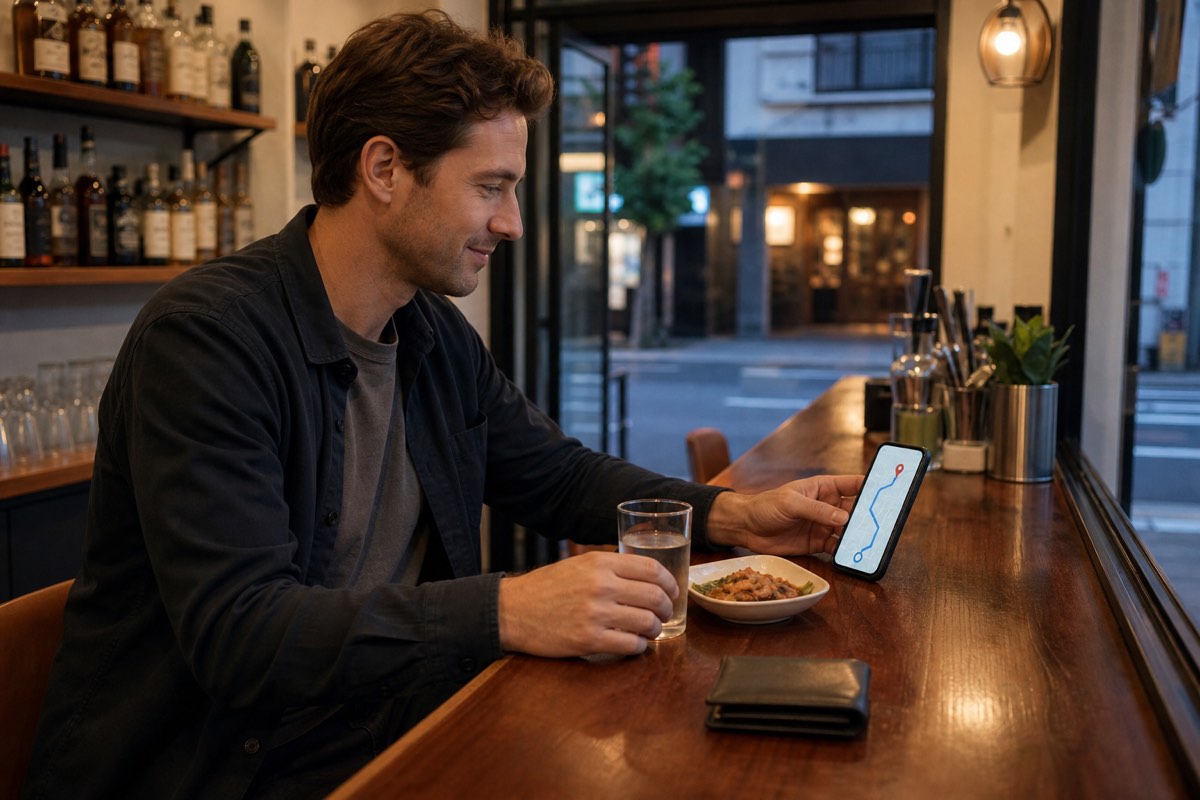
Bars that usually fit one visitor better
- Counter bars: easy seating and direct ordering, but some specialize in reservations.
- Craft-beer or tap bars: individual pours and simpler food decisions.
- Traditional-liquor bars: useful for tasting makgeolli or distilled spirits; check serving size.
- Hotel bars: predictable service and card payment, usually at a higher price.
- Gamaek or casual beer shops: relaxed, but ordering and seating rules vary.
Korea Tourism Organization describes Korean drinking combinations and bars where drinks pair with anju, the food served with alcohol. Treat the examples as cultural orientation, not a promise that every venue sells single portions.
Check these details before sitting down
- Can one person enter and order?
- Is there a required food order or table charge?
- Are drinks available by the glass?
- Is the menu available in another language or by image?
- What time is last order—not only closing time?
A translated menu can hide portion size. Ask “Is this okay for one person?” and show the item. If the venue is busy, accept that staff may prioritize reserved groups or decline a single guest at a large table without it being personal.
Confirm admission and identification before traveling
A venue may check age, identification, dress, reservation or entry time according to its current policy. Carry the original identification the venue or booking terms require, but keep control of it and do not send a passport image to an unofficial account. A reservation confirmation does not override lawful or venue-specific admission checks.
Check whether the exact branch allows solo entry and whether a counter seat must be reserved. Do not pay a stranger to bypass a queue or door policy.
Ordering without pressure
You do not need to copy a drinking ritual or finish a bottle. Start with one drink, order food you can comfortably eat and ask for water. Soju, beer, makgeolli and traditional spirits vary greatly in strength and serving size. Mixing drinks is optional, not an authentic-experience requirement.
Use a pace you can audit
Keep one open drink at a time, note what you ordered and alternate with water and food according to your own limits. A shared bottle or tasting flight can make intake harder to track than individual glasses. Stop ordering while you can still verify the bill, navigation and belongings independently.
If you suddenly feel much more impaired than expected, stop drinking, alert staff or a trusted person, remain in a staffed area and seek medical help when needed. Do not leave alone with someone you just met.
Set the return plan before the first drink
Save the accommodation name and address in Korean, the last useful public-transport departure and one licensed taxi fallback. Check the route from the actual bar entrance, not only the neighborhood station. If the final train requires a transfer, use the departure time for the first leg rather than the time the network closes elsewhere.
Keep enough battery and a separate payment method for the trip back. Tell a trusted person where you are when appropriate, and do not change to a second venue with strangers unless you can independently identify it and leave safely.
Check the bill while you are clear
Before ordering, confirm any cover charge, required anju, bottle minimum or service fee. Keep a simple count of drinks and ask for the bill before transport becomes urgent. Review the total in won before tapping a card, retain the receipt and avoid signing an amount you cannot read or explain.
If the bill does not match
- Compare the item names, quantities and posted or confirmed prices.
- Ask staff to explain one disputed line at a time.
- Keep the receipt and card authorization record.
- Use 1330 for non-emergency visitor-language help when communication blocks a factual explanation.
- Call 112 if there is coercion, confinement, theft or an immediate safety threat.
Do not abandon your passport or phone as informal collateral. Move the discussion toward a staffed, visible area and keep an independent route home.
Before leaving, count your phone, wallet, identification, outerwear and any bag at the table.
If the situation feels wrong
- Stop drinking and keep your phone, passport and payment method with you.
- Move toward staff, a staffed lobby or a well-lit public area.
- Do not argue over filming, unwanted contact or a suspicious drink alone.
- Contact a trusted person and arrange licensed transport.
- Call 112 for immediate police assistance or 119 for a medical emergency.
Social boundaries for a solo visitor
Friendly conversation can happen, but being alone is not permission for others to photograph, touch or follow you. Likewise, do not film nearby guests or staff for content without consent. If attention becomes uncomfortable, move to staff, pay and leave. In an emergency call 112; for travel-language help, Korea's 1330 helpline may assist.
How to find a suitable place
Search Korean map services using terms such as 혼술 (solo drinking), 혼술바 (solo-drinking bar), 바 테이블 (bar counter) or 전통주 바 (traditional-liquor bar). Then verify recent operating information on the venue's official account or phone. Ratings alone do not confirm a one-person policy.
Official sources
Continue: Solo dining · Public transport · Translation help