Tip: Because T-money isn't a registered payment card, there's no purchase protection or refund process if it's lost with a balance on it -- keep only a working balance on it rather than treating it like a bank account.
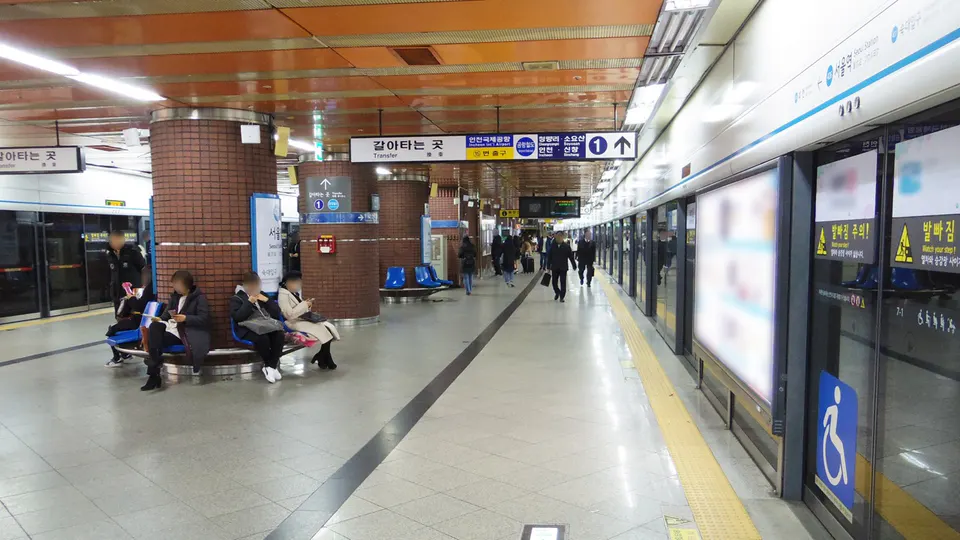
A quick recap of the transit use
T-money is a rechargeable stored-value card usable on subways, city buses and most taxis nationwide, with a small transfer discount when you tap it switching between subway and bus within a set window. It's sold at convenience stores and subway station machines for a small card fee, then topped up separately with cash or, at some machines, a Korean card.
Where the same balance also works
- Taxis: most metered taxis accept T-money tap payment directly at the in-car reader, avoiding a separate card or cash transaction.
- Convenience stores: CU, GS25, 7-Eleven and Emart24 generally accept T-money as a payment method at the register for small purchases, functioning like a prepaid debit balance.
- Vending machines: many drink and snack vending machines, especially inside subway stations, accept a T-money tap instead of coins or bills.
- Coin lockers: some subway-station storage lockers let you pay and unlock using a T-money tap rather than cash, which is convenient if you're low on coins.
- Some tourist attractions and amusement parks: a handful accept T-money for small ticket or facility fees, though this is less consistent -- don't rely on it as your only payment method there.
Topping up and checking your balance
- Top up with cash at any GS25/CU/7-Eleven counter or at subway station recharge machines, which usually offer an English-language option.
- Check remaining balance at station machines, most convenience-store registers, or via the T-money app if your phone supports NFC reading.
- A physical T-money card works fine without a Korean phone number or bank account -- no registration is required for the basic prepaid card.
Official sources
Time-sensitive details were checked against the original sources below on 2026-08-28.