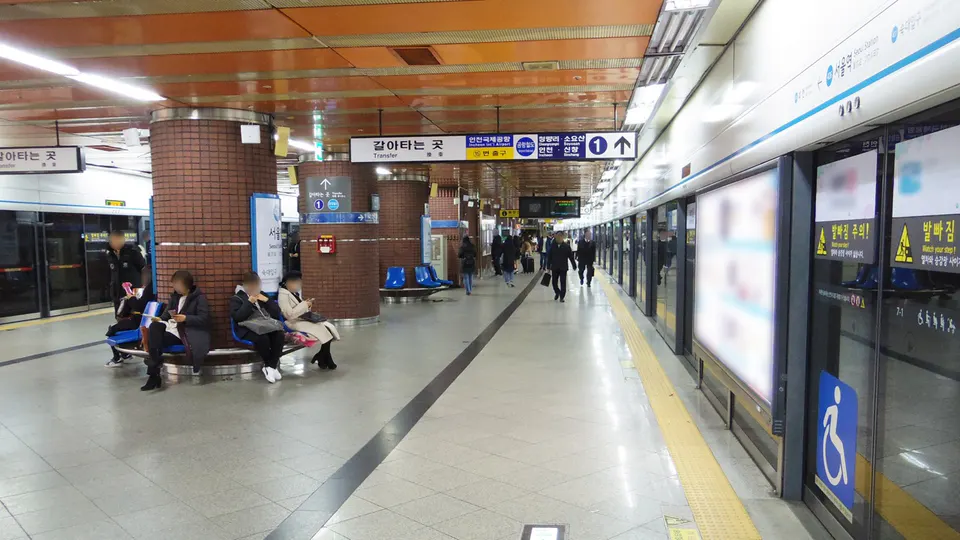
GMP vs ICN Airport (2026): Travel Time, Taxi Fares & Which to Pick
- ✈️ Choose GMP if: Flying from Tokyo/Taipei/domestic, or staying near Hongdae/Mapo (15–25 mins by subway).
- ✈️ Choose ICN if: Long-haul international flight, seeking extensive duty-free, or taking AREX Express to Seoul Station (43 mins).
- 🚖 Taxi Rule: GMP to central Seoul (~₩25,000–₩35,000) vs ICN to central Seoul (~₩65,000–₩85,000 + toll fees).
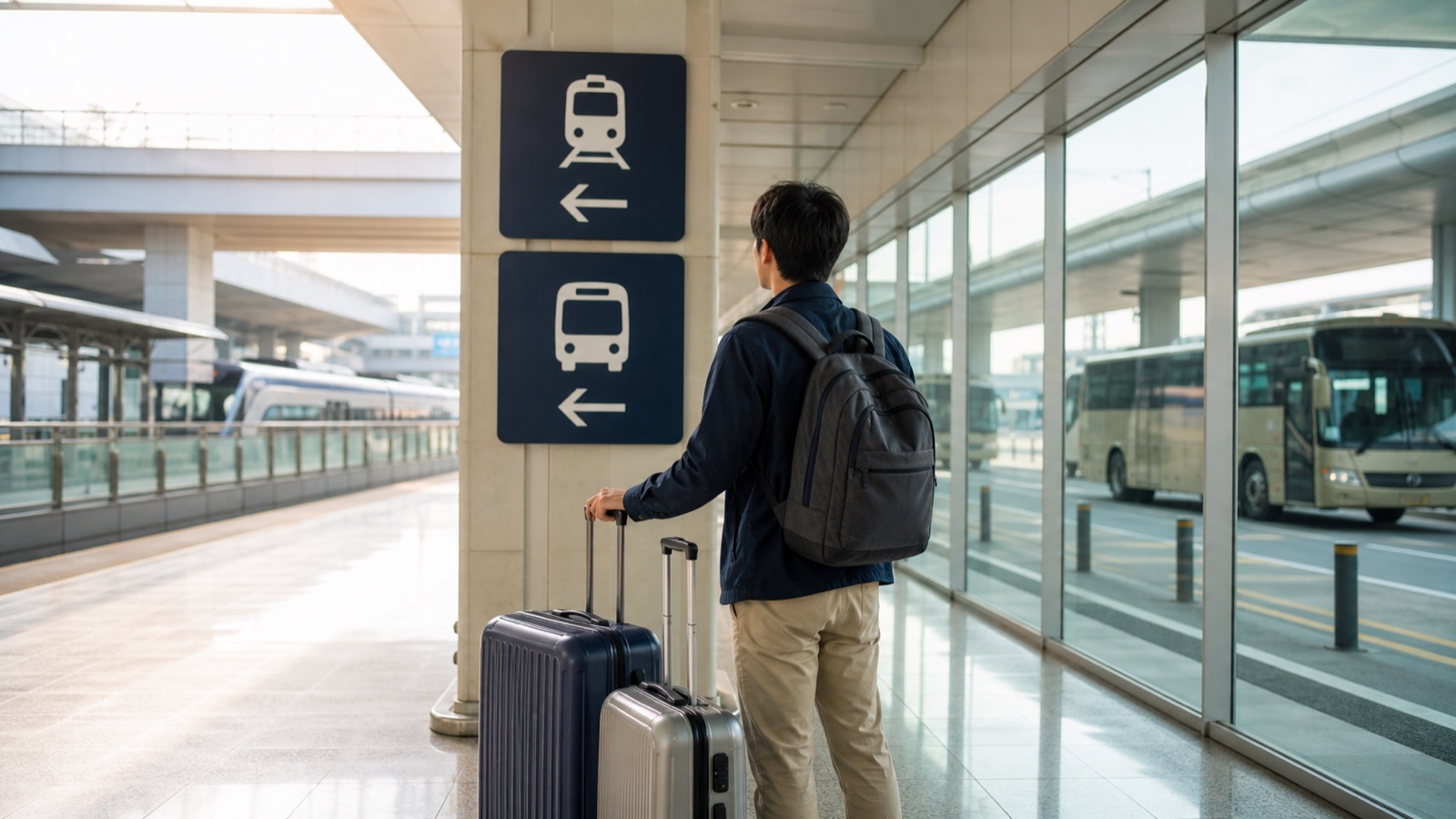
The useful comparison includes the flight, terminal, baggage and last transfer—not only distance from central Seoul.
| Decision | Incheon (ICN) | Gimpo (GMP) |
|---|---|---|
| Typical role | Main international gateway, including long-haul travel | Major domestic airport plus selected international services |
| Airport layout | Terminal 1, Concourse and Terminal 2; confirm the actual flight terminal | Separate domestic and international terminals linked to the airport transport area |
| Rail choices | Airport Railroad from both passenger terminals | Airport Railroad plus Seoul Subway Lines 5 and 9 and Gimpo Goldline |
| Best reason to choose | The required international flight or a protected connection is available there | A suitable flight plus a simpler Seoul or domestic-trip routing |
| Main mistake | Going to the wrong terminal or underestimating the final transfer | Assuming every international route operates there or treating domestic and international terminals as one counter area |
For travelers looking to recover from long flights with skin rejuvenation, check our Seoul Skin Clinic Cost Guide for typical downtime and treatment costs.
Start with the flight you can actually book
An airport comparison cannot turn a Gimpo route that does not exist into an option. Search the full itinerary on the airline's official site, confirm the airport code and read whether bags are checked through. A cheaper separate ticket can create a self-transfer: you may need to enter Korea, collect baggage, travel between airports, check in again and meet the second airline's deadline.
Never rely on the city label “Seoul” alone. A booking screen may display Seoul while the airport code is ICN or GMP. Put the code beside every segment in your itinerary. This matters even more for a return trip when a driver, hotel desk or companion asks which airport you need.
When Gimpo can be the easier choice
Gimpo Airport Station connects to Seoul Subway Lines 5 and 9, the Airport Railroad and Gimpo Goldline, according to Korea Airports Corporation. That network can make Gimpo practical for parts of Seoul and for a domestic flight. But “closer” is not the same as “door-to-door faster”: your accommodation may require a transfer, an accessible route, a long station walk or a bus that suits luggage better.
Gimpo has separate domestic and international terminals. Korea Airports Corporation lists a free airport shuttle between passenger-terminal stops, with published operating hours and intervals. Do not use those figures as permission for a short connection; walking, waiting, security, baggage and airline cutoffs still apply.
When Incheon is the practical default
Incheon is the primary choice when it is where your international flight operates or where your airline provides a protected connection. Both Terminal 1 and Terminal 2 have Airport Railroad access, and airport buses or taxis can make more sense for some hotels, groups and luggage loads. Use the dedicated Incheon-to-Seoul comparison after confirming your terminal.
Incheon warns that codeshares and airline circumstances can change the actual terminal. The airport's current guide lists airlines by terminal, but your e-ticket and live flight search take priority. Terminal 1 and Terminal 2 are different buildings; the airport provides inter-terminal transport, yet that travel is not a substitute for arriving at the correct terminal.
Asiana update: Asiana Airlines says its own Incheon arrivals and departures have operated from Terminal 2 since 00:00 KST on January 14, 2026. Its Terminal 2 check-in area is G–J. For a codeshare or marketing flight, follow the terminal of the airline actually operating the flight rather than the Asiana flight number alone.
Connecting through Korea: three different cases
One protected connection at Incheon
Follow the airline and airport transfer instructions. Whether you receive a boarding pass or need a transfer desk depends on the airline. Do not exit into the public arrivals area merely because another traveler did.
International arrival at Incheon, domestic departure at Gimpo
This is an airport change, not an airside transfer. Plan for entry procedures, baggage collection when required, travel from ICN to GMP, domestic check-in and security. The Airport Railroad and an airport limousine route can connect the airports, but a timetable is not a guaranteed minimum connection. If disruption would cause a costly missed ticket, choose a much larger buffer or an overnight plan.
Domestic connection at Gimpo
Confirm whether baggage is checked through and whether you must change between domestic and international terminal areas. The flight booking and operating airline rules decide the process; the airport map alone cannot.
- Does the required flight operate at ICN, GMP or both on your date?
- Is it one protected ticket or separate bookings?
- Which exact terminal and operating airline appear on the e-ticket?
- What is the complete route to your hotel or next flight with luggage?
- What safe alternative remains if the train, bus or first flight is delayed?
Late arrivals and early departures change the answer
Do not choose from a daytime route screenshot when the flight lands late at night. Immigration, baggage delivery and walking time happen before you reach public transport. Likewise, an early departure requires you to reach the correct terminal before check-in closes, not merely before takeoff.
Check the current final train or bus for your date and direction. If the public-transport margin is narrow, compare an official taxi queue, a verified late-night route or an airport-area stay. A flight that saves money but forces a costly transfer or hotel may not save money overall.
What to save before travel
- Every flight number, airport code and terminal from the operating airline.
- Your accommodation name and address in Korean and English.
- One primary route and one fallback route with live operating times.
- Baggage through-check confirmation for each connection.
- Airline contact details and enough time to resolve a terminal mistake.