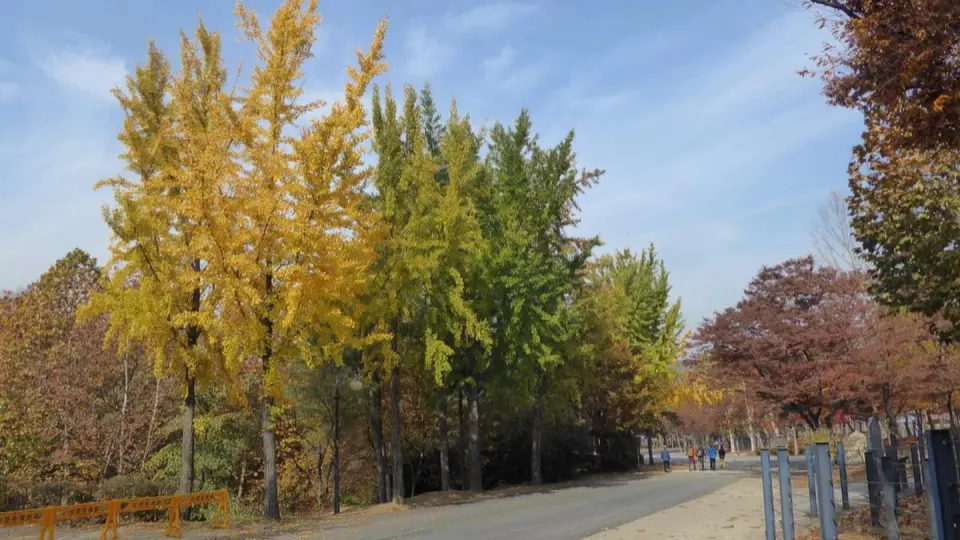
Korea fall foliage 2026: plan now, add dates only when verified
- Key point: Choose a city, palace, mountain or regional route first; exact color timing varies by elevation and weather.
- Price: Keep flexible transport or cancellation terms because an unverified peak-date prediction is not worth a nonrefundable itinerary.
- Tip: Recheck official forecasts, park notices and live weather close to departure instead of relying on last year's dates.
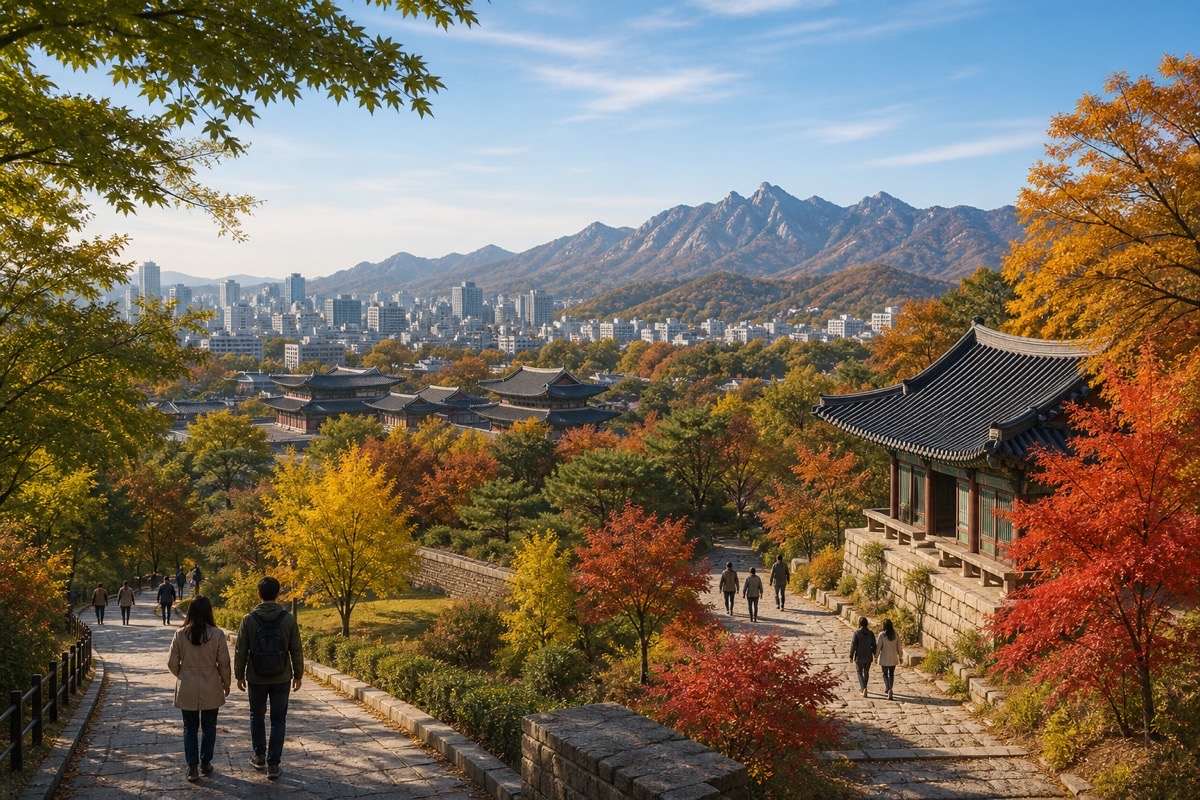
Korea's autumn color does not arrive everywhere on one date. Mountains, city parks, palace grounds, islands and southern regions change at different times, and annual weather can move both first color and peak. The useful strategy is to choose a destination type now, then add the current year's dated forecast and live operating status when those sources exist.
Choose the destination type before the exact date
| Type | Best for | Planning friction | No-color fallback |
|---|---|---|---|
| Seoul park or palace | Short city stays, flexible walking and easy indoor backup | Weekend crowds, facility hours and event zones | Palace, museum, café or neighborhood route |
| Near-Seoul garden or island | A dedicated half or full day without a summit | Advance ticket, seasonal hours and final connection | Garden collections, exhibitions or another verified stop |
| National park or mountain | Hiking and broad landscape views | Trail grade, weather control, entry time and reservations | Lower route, visitor center or a city day |
| Regional heritage or Jeju | Autumn color inside a wider Korea itinerary | Intercity time, multiple operators and regional weather | Temple, heritage, food or indoor culture |
The “best” option depends on walking ability, reservation tolerance, time available and where the trip already goes. A famous mountain is not an upgrade if it requires a risky early departure or an uncertain return.
Low-commitment Seoul option: Seoul Forest and Seongsu
Seoul Forest connects to Seongsu cafés, retail and subway routes, so the day remains useful if leaves are early, late or damaged by weather. Seoul's official 2026 International Garden Show is centered on Seoul Forest and linked areas and runs through October 27. General garden access and separately scheduled or reserved programs are not the same thing.
The Seoul Forest Conservancy describes the park as open year-round, while individual facilities can have narrower hours or Monday closures. Reopen the official park and show pages immediately before visiting, and use the Seongsu visitor guide to keep the route compact. This page does not promise peak color, a quiet park or program availability.
Central heritage option: Gyeongbokgung
A palace day works when autumn color is one part of the experience rather than the only reason to go. Gyeongbokgung can connect with Seochon and Insadong, while museums or covered cultural areas give the route alternatives.
The official palace operator publishes seasonal hours and a Tuesday closure. Verify the operator page for the visit date, including final admission and special programs. One palace schedule does not prove that every nearby museum or ceremony is running. If Bukchon is added, follow the current residential access rules and permitted visitor window; autumn photography does not override resident privacy.
Mountain option: treat Seoraksan as a separate operation
Seoraksan is not a simple photo stop. Korea National Park Service grades courses and publishes park notices, access-time rules and dated trail or weather updates. Its foreigner reservation service carries selected English notices, but that list may not reproduce every live trail-control state.
- Open the official KNPS Seoraksan park and course hub.
- Check live control status, course grade and the entry-time rule.
- Read the latest park notices and weather information.
- Confirm any reservation, shelter or facility separately.
- Keep a lower-effort fallback that does not depend on a summit.
This guide does not declare a trail open, prescribe a summit route or promise shelter inventory. Never enter a restricted or unofficial trail to chase color.
Regional option: add autumn to a route you already want
VISITKOREA's official autumn hub spans mountains and temples, parks, gardens, regional heritage, Jeju landscapes and seasonal food. Use it to identify a region that already fits the itinerary, then verify the exact attraction with its operator.
On a Seoul–Gyeongju–Busan trip, a heritage or neighborhood stop may be more realistic than adding a distant foliage detour. On Jeju, autumn color or silver grass should fit the island's wind, transport and daylight plan rather than being treated as a Seoul day trip.
How to read a foliage forecast
First color is not peak color
A forecast may distinguish the beginning of color from expected peak. Neither means every tree, course or viewpoint looks the same. Check the source's legend before converting a date into a booking decision.
Forecast is not current status
Weather after publication can move progression or damage leaves. A forecast describes what may happen; a dated current photo, park notice or official status describes what is happening. Keep those evidence types separate.
Region and elevation matter
Northern and high-elevation areas may progress differently from central city parks, southern heritage sites or Jeju. Do not apply a Seoraksan date to Seoul or a Seoul park report to a mountain course.
Three rechecks that protect the trip
When a 2026 forecast appears
Confirm publisher, attribution, release date and definitions. Record first color and peak separately. Keep the source's weather caveat.
Seven days before
Check current regional status, operating hours, reservations, transport, weather, daylight and trail controls. Keep one worthwhile no-color route.
Forty-eight hours before
Recheck warnings, park or venue notices, entry deadlines and the last useful return. Replace restricted, unsafe or exhausting plans.
Official sources
- VISITKOREA: archived 2025 foliage forecast — historical format only, not 2026 dates
- VISITKOREA: official autumn destination hub
- Seoul Metropolitan Government: 2026 International Garden Show
- Seoul Forest Conservancy: park information
- Royal Palaces and Tombs Center: Gyeongbokgung hours and admission
- Korea National Park Service: Seoraksan courses and notices
- KNPS foreigner reservation notices
Checked August 26, 2026. Hours, reservations, trail controls, weather and color status can change. Reopen the operator source before travel; this page will add a dated 2026 forecast module only after one is verified.