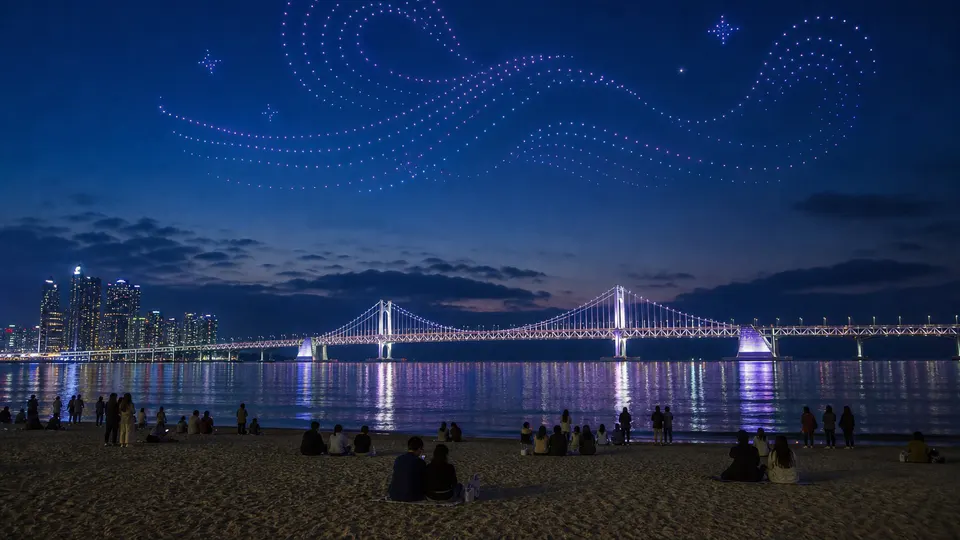
A seven-day trip cannot cover all of South Korea, and trying to add Seoul, Busan, Gyeongju, Jeju, and several day trips usually turns the holiday into a sequence of check-outs. A more useful first visit follows one clear line south: begin with four days in Seoul, spend one night in Gyeongju, and finish with two days in Busan.
This route gives you a capital city, royal history, contemporary neighborhoods, Silla heritage, markets, and the coast without taking a domestic flight. It also leaves enough flexibility for weather, jet lag, shopping, and the inevitable place you will want to stay longer.
Before you book the route
Check whether an open-jaw flight—arriving through Incheon and departing from Busan—works for your dates. If both flights use Incheon, treat the return journey as a separate travel block. Do not plan a Busan-to-Incheon transfer immediately before an international flight without a large buffer.
Reserve intercity trains through an official Korail channel and confirm the station name carefully. Seoul Station, Gyeongju Station, and Busan Station are not the same as nearby bus terminals or subway stops. Schedules, fares, and availability can change, especially around national holidays, weekends, and major events.
Use Koursea's public transport guide for subway, bus, and transit-card basics. Keep your first evening light: immigration, airport transport, hotel check-in, and jet lag already make it a full travel day.
Day 1: Arrive in Seoul and learn your neighborhood
Choose a Seoul base that reduces transfers rather than chasing the cheapest room far from your plans. Jongno and Euljiro work well for palace and central-city days; Hongdae is convenient for the airport railway and late evenings; Myeongdong is central but busy; Gangnam makes more sense when your itinerary focuses on southern Seoul.
After check-in, walk one compact area near the hotel. Buy or load a transit card, locate a convenience store, test your map app, and have a simple meal. If you arrive early, use a nearby market, stream, or neighborhood street instead of crossing the city for a major attraction.
The goal is orientation: understand the nearest station exits, how long transfers actually take, and where you can eat if you return late. Save the palace district for a morning when you have energy.
Day 2: Historic Seoul without rushing
Begin around Gwanghwamun and Gyeongbokgung Palace. The Royal Palaces and Tombs Center describes Gyeongbokgung as the primary palace of the Joseon dynasty. Opening days, admissions, tours, and temporary restrictions can change, so check the official palace site shortly before visiting.
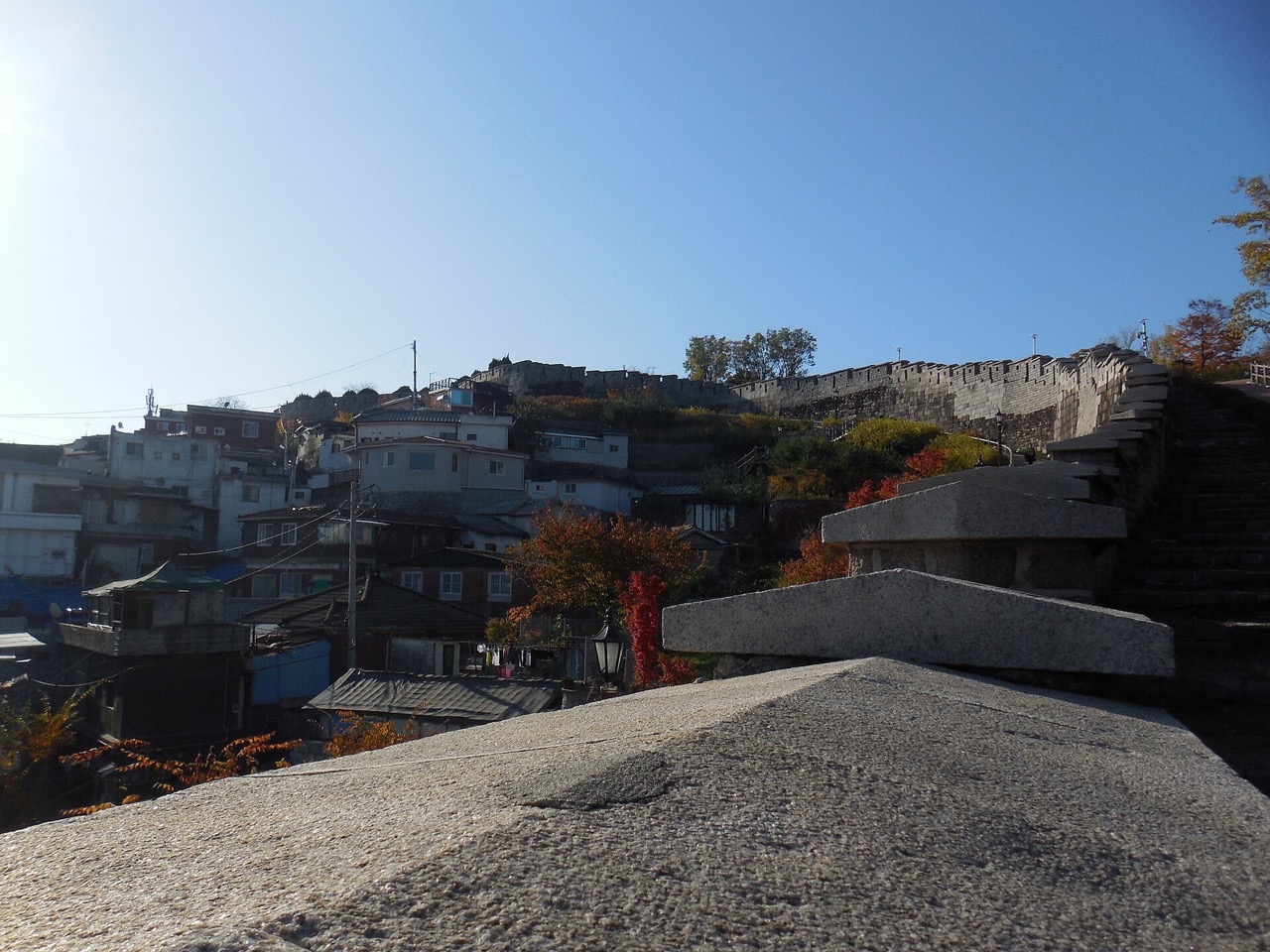
Continue toward Seochon, Bukchon, or Insadong, but do not try to complete all three as a checklist. Bukchon is a residential neighborhood, and Visit Seoul currently restricts tourist entry in the designated red zone to 10:00–17:00. Keep noise down, follow access notices, travel in a small group and never treat private homes as photo sets. Insadong is the easier public-area fallback for crafts, tea and a flexible lunch.
End with Cheonggyecheon, Ikseon-dong, or a museum depending on weather. Grouping adjacent places is more valuable than adding a distant viewpoint because central Seoul walks already involve long distances and palace grounds.
Day 3: Contemporary Seoul and the Han River
Choose one modern cluster. In western Seoul, combine Hongdae, Yeonnam, Mangwon, and a Han River stop. In southern Seoul, combine Gangnam, Seongsu, or the COEX area only if those places match your interests. Crossing repeatedly between Hongdae and Gangnam consumes more time than the map suggests.
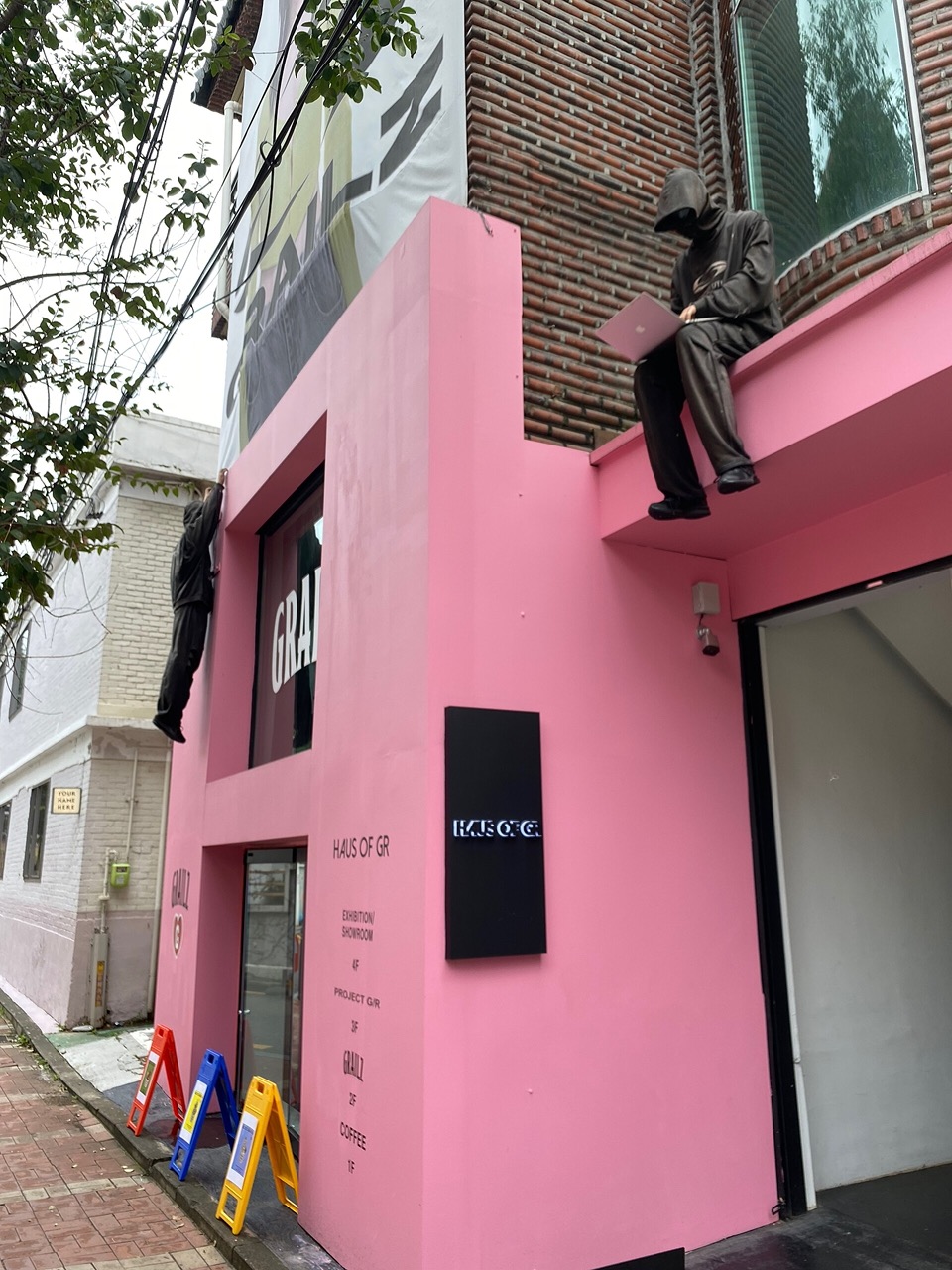
This is a good day for shopping, K-beauty, cafés, exhibitions, or a pre-booked experience. Keep purchases together rather than carrying bags through every sightseeing day. For skincare basics before buying products, see Koursea's Korean skincare routine guide.
Use the evening for the river or a neighborhood dinner. River conditions, fountain schedules, and outdoor programs vary with season and weather, so confirm same-day notices rather than building the entire day around one timed feature.
Day 4: Your Seoul priority day
Use the fourth day for the interest that brought you to Korea. Options include a major museum, a mountain walk, a K-pop or performance experience, a focused food day, a university neighborhood, or more time in the historic center. A DMZ tour requires separate research and booking; it should not be added casually to an already full day because access and schedules can change.
Before leaving Seoul, reorganize luggage. A one-night bag makes Gyeongju easier if your larger luggage can be forwarded or stored under confirmed conditions. If not, choose accommodation near your arrival route and avoid a complicated series of local buses with heavy cases.
Day 5: Seoul to Gyeongju—Silla history and a night walk
Travel to Gyeongju in the morning. Allow time between the intercity arrival point and the historic center; the rail station is not directly beside every major attraction. Gyeongju rewards slower movement because several central heritage sites can be linked on foot, while Bulguksa and Seokguram require separate transport planning.
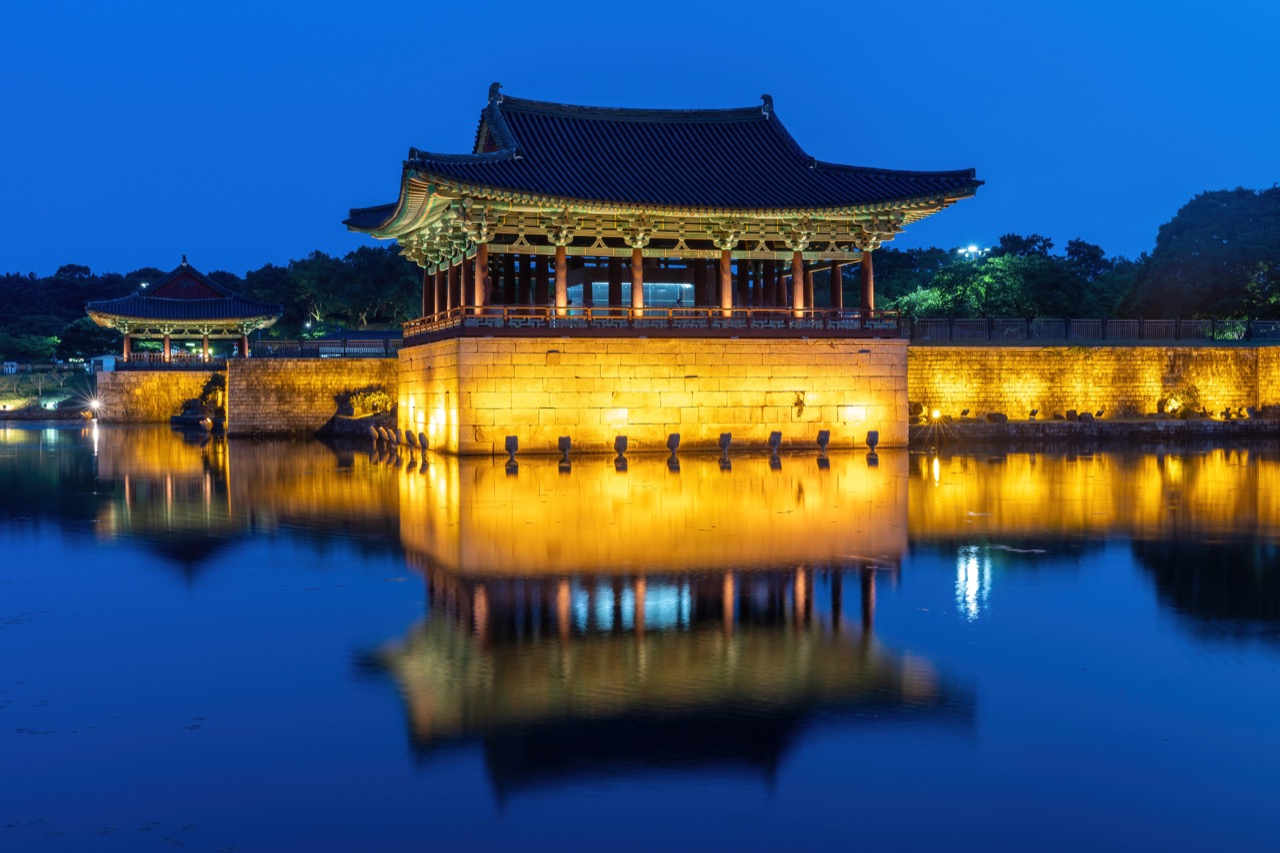
For one compact day, focus on the Daereungwon tomb area, Hwangnidan-gil, Cheomseongdae, Woljeonggyo Bridge, and Donggung Palace and Wolji Pond. VISITKOREA groups several of these central sites into short heritage routes and identifies Donggung and Wolji as a Silla palace-and-pond site known for its evening view.
If Bulguksa is essential, visit it earlier and reduce the central list. Do not attempt Bulguksa, Seokguram, every downtown landmark, a long café stop, and a late transfer to Busan in the same day. Staying overnight allows the illuminated central sites to become part of the itinerary rather than an afterthought.
Check operating hours and last admission on the official attraction pages. Details published by tourism portals can age, and seasonal conditions or maintenance may change access.
Day 6: Gyeongju to Busan—choose one side of the city
Move to Busan after breakfast. Busan is geographically spread out, so choose a base and plan by area. Use the first-time Busan itinerary to compare Seomyeon, Nampo, Haeundae and Gwangalli by the days you will actually take.
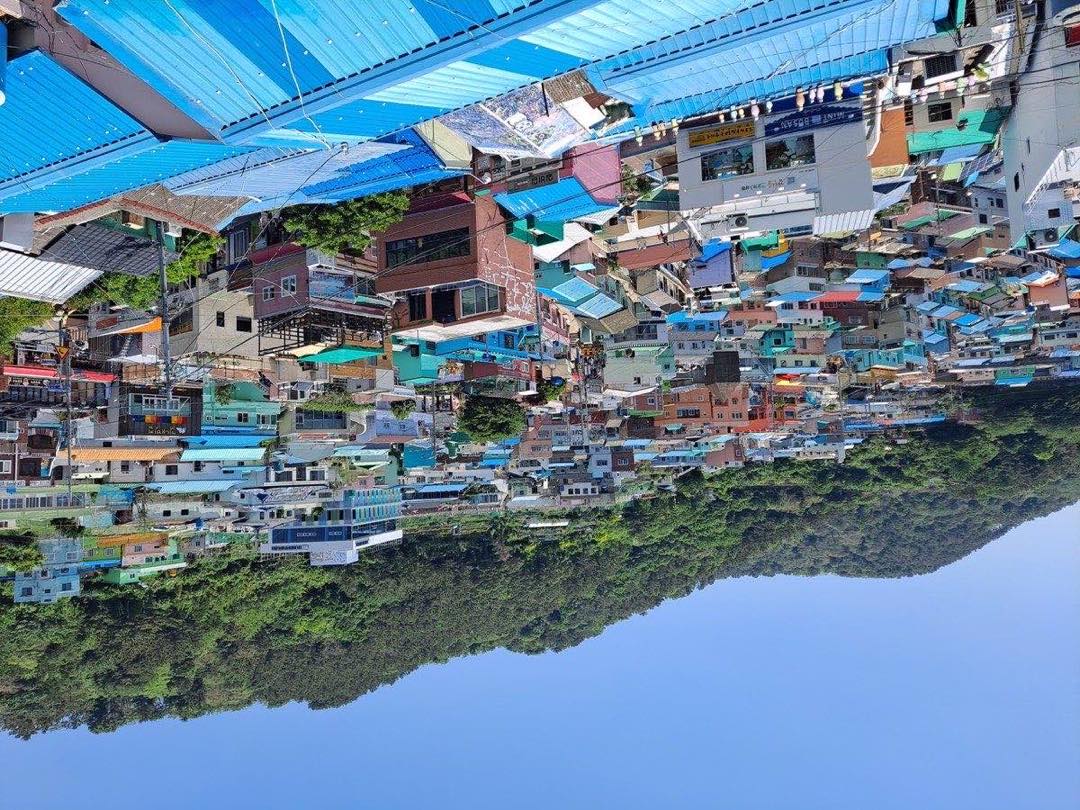
If staying near Nampo, group Jagalchi Market, BIFF Square, Gukje Market, and nearby viewpoints. Gamcheon Culture Village can fit the same general side of the city, but it is a lived neighborhood with hills and narrow lanes, not just a backdrop. Follow local access rules and allow extra travel time.
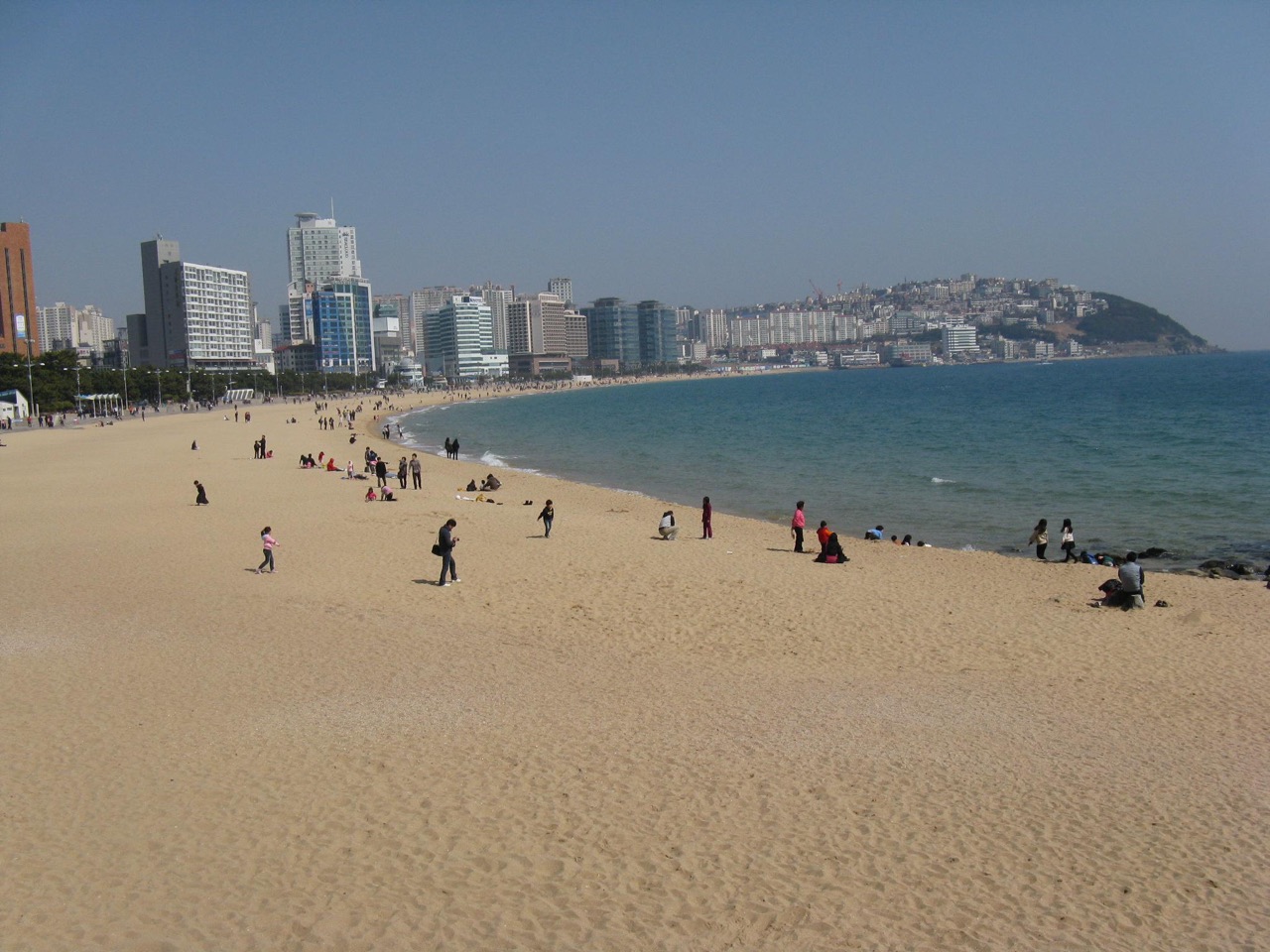
If staying near Haeundae, spend the afternoon around the beach, Dongbaek area, or the eastern coast rather than commuting immediately to every western attraction. Finish with Gwangalli or Haeundae depending on your hotel and energy. Coastal weather can change quickly; keep an indoor alternative.
Day 7: Busan coast, markets, and departure logic
Use the final day for the side of Busan you skipped. A first-time visitor might pair a coastal walk with a market district, but should avoid combining the far east and far west under tight departure pressure. Public transport is extensive, yet cross-city journeys and station transfers take time.
If you leave from Gimhae Airport, confirm the airport route from your actual accommodation. If returning to Seoul, reserve the train and decide where you will sleep before the international flight. A same-day return can work with generous margins, but an airport-area or Seoul night is the calmer choice when the flight is early.
Before leaving, check that tax-refund documents, passports, medication, electronics, and liquids are packed where needed. Keep screenshots or offline copies of the hotel address and transport reservation.
What this itinerary deliberately leaves out
Jeju is not included because a meaningful Jeju visit normally needs its own flight or ferry logistics, weather contingency, and at least two or three days. If it replaces part of this route, use the Jeju car-or-no-car guide before choosing island stops. Jeonju, Sokcho, Andong, and the southern coast are also worthwhile, but adding them to one week reduces time in every destination.
If you prefer slower travel, remove Gyeongju and split the week between Seoul and Busan. If history is your priority, keep Gyeongju and shorten Busan. If food and neighborhoods matter more than landmarks, stay four full nights in Seoul and two or three in Busan with fewer scheduled attractions.
Budget and booking principles
- Book the route before individual attractions. International flights and intercity nights determine whether the plan is realistic.
- Do not quote a fixed daily budget from old articles. Accommodation and transport prices vary by date, district, booking window, and event calendar.
- Keep one unscheduled block. Rain, heat, queues, shopping, and fatigue are normal parts of travel.
- Confirm changing facts at the source. Use official operators for train tickets and official attraction pages for closures, last admission, and access rules.
- Pay safely. Koursea's paying in Korea guide explains cards, cash, and common payment situations.
Frequently asked questions
Is seven days enough for South Korea?
It is enough for a strong introduction when you choose two or three bases. It is not enough to cover Seoul, Busan, Gyeongju, Jeju, and multiple day trips comfortably.
Should I visit Gyeongju as a day trip?
A day trip is possible, but one night improves the route because central heritage sites are attractive after dark and you avoid returning over the same ground. If your luggage or flight plan makes another hotel difficult, a focused day trip from Busan is the simpler alternative.
Do I need to reserve KTX trains?
Advance booking is sensible for fixed travel days and peak periods. Use official Korail channels, verify the station, train, date, and passenger details, and recheck holiday demand.
Should I start in Busan instead?
Yes, if your flights and onward route support it. The itinerary works in reverse. Start with the arrival city that minimizes backtracking and protect the night before your international departure.
Where should a first-time visitor stay in Seoul?
Choose based on your daily route: Jongno or Euljiro for central history, Hongdae for airport access and nightlife, Myeongdong for a central shopping base, or a specific Gangnam or Jamsil node for southern or east-Seoul commitments. Station access often matters more than popularity. Compare the tradeoffs in Koursea's Seoul accommodation-area guide.
Official planning sources
- Korail official booking and schedules →
- Royal Palaces and Tombs Center: Gyeongbokgung →
- Visit Seoul: Bukchon visitor hours and resident-respect rules →
- VISITKOREA: Gyeongju heritage route →
- VISITKOREA: Bulguksa visitor information →
Always recheck schedules, fares, closures, entry conditions, and last admission before travel. Editorial route suggestions are Koursea's planning guidance, not official itineraries.