Busan for first-time visitors: an adaptable 2–3 day plan
Busan is too spread out for a useful first trip built as one long attraction list. Choose fewer zones and keep one real alternative. Do not measure the trip by the number of beaches, markets or viewpoints collected.
Is two or three days better?
| Time | Realistic scope | Main tradeoff |
|---|---|---|
| Two full days | One Nampo/old-downtown day and one Haeundae/east-coast day | Little room for poor weather, a late arrival or a distant extra |
| Three full days | The two core days plus one western, cultural or slower coastal choice | Another hotel night, but less transfer pressure |
| One night only | One zone near the accommodation plus one evening waterfront | Not a compressed version of every famous attraction |
Count usable hours, not calendar labels. A trip beginning after check-in and ending before an early train may provide only one full sightseeing day. Keep station-to-hotel, luggage and platform time outside the attraction schedule.
Choose a base from the days you will actually do
Haeundae
Best starting point when an eastern coast morning and slower seaside day are central. The tradeoff is distance from old downtown and western attractions. Beach access does not prove supervised swimming services are operating.
Seomyeon
Useful for an itinerary split between east and west. Its value is central positioning for some routes, not a promise that every destination is direct. Check the exact hotel-to-station walk.
Nampo and Jung-gu
Useful for markets, Yongdusan and a restrained Yeongdo or Songdo option. “Nampo” often describes a wider area, not one compact stop. A separate eastern day still requires real travel time.
Gwangalli
Fits an evening waterfront priority and can combine with parts of an eastern or central plan. Choose it for that experience, not because it is automatically the best base for every first visitor.
Day 1: old downtown plus one western choice
Start with a compact Nampo/Jung-gu core. Choose two or three compatible anchors such as a market area, Yongdusan or a museum/cultural stop. Then add one of these: Gamcheon Culture Village, a Songdo coastal segment after checking its operator, or one Yeongdo stop with a confirmed return.
Do not stack Gamcheon, Songdo, several Yeongdo viewpoints, Taejongdae and every market into one comfortable-day claim. Slopes, transfers and queues are part of the route.
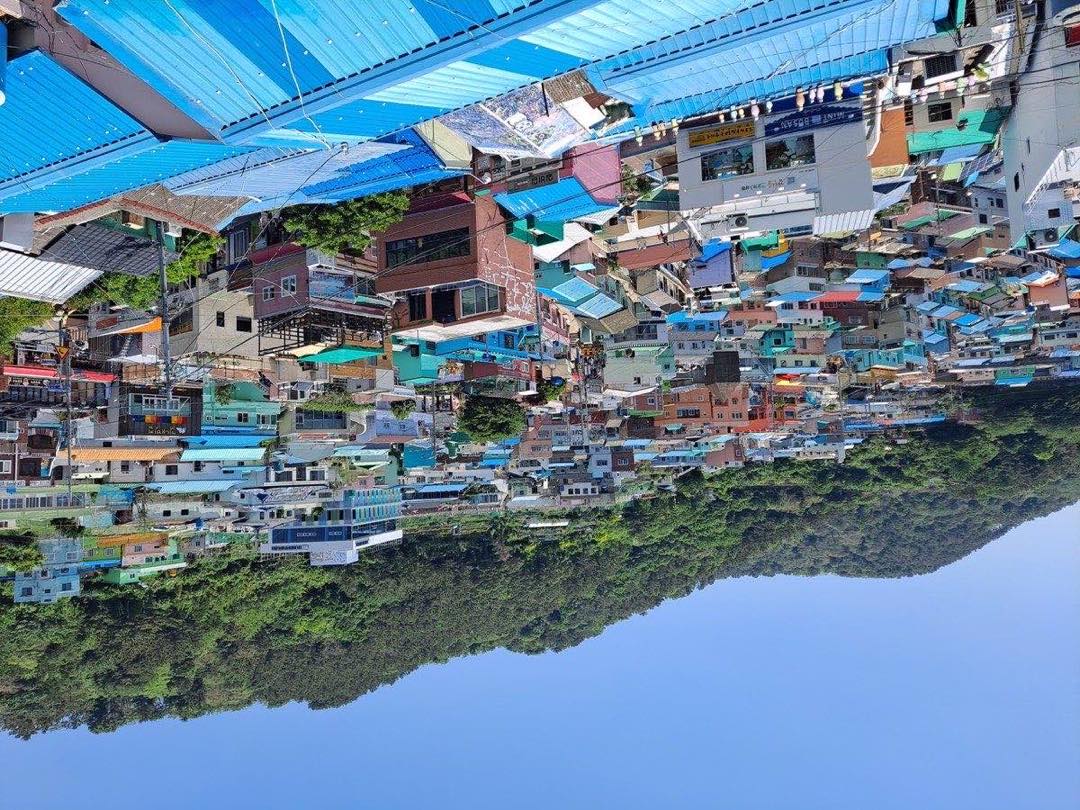
Stay on public routes, keep noise low, respect signs and do not use residential stairs, doorways or roofs as photo sets. If steep walking is not appropriate, replace Gamcheon with a lower-friction cultural stop.
Bad-weather or low-energy version
Keep one museum, covered market or café area as the anchor and drop the distant outdoor addition. Heavy rain, strong coastal wind or heat can turn a theoretically short transfer into an exhausting one.
Day 2: Haeundae plus one compatible extension
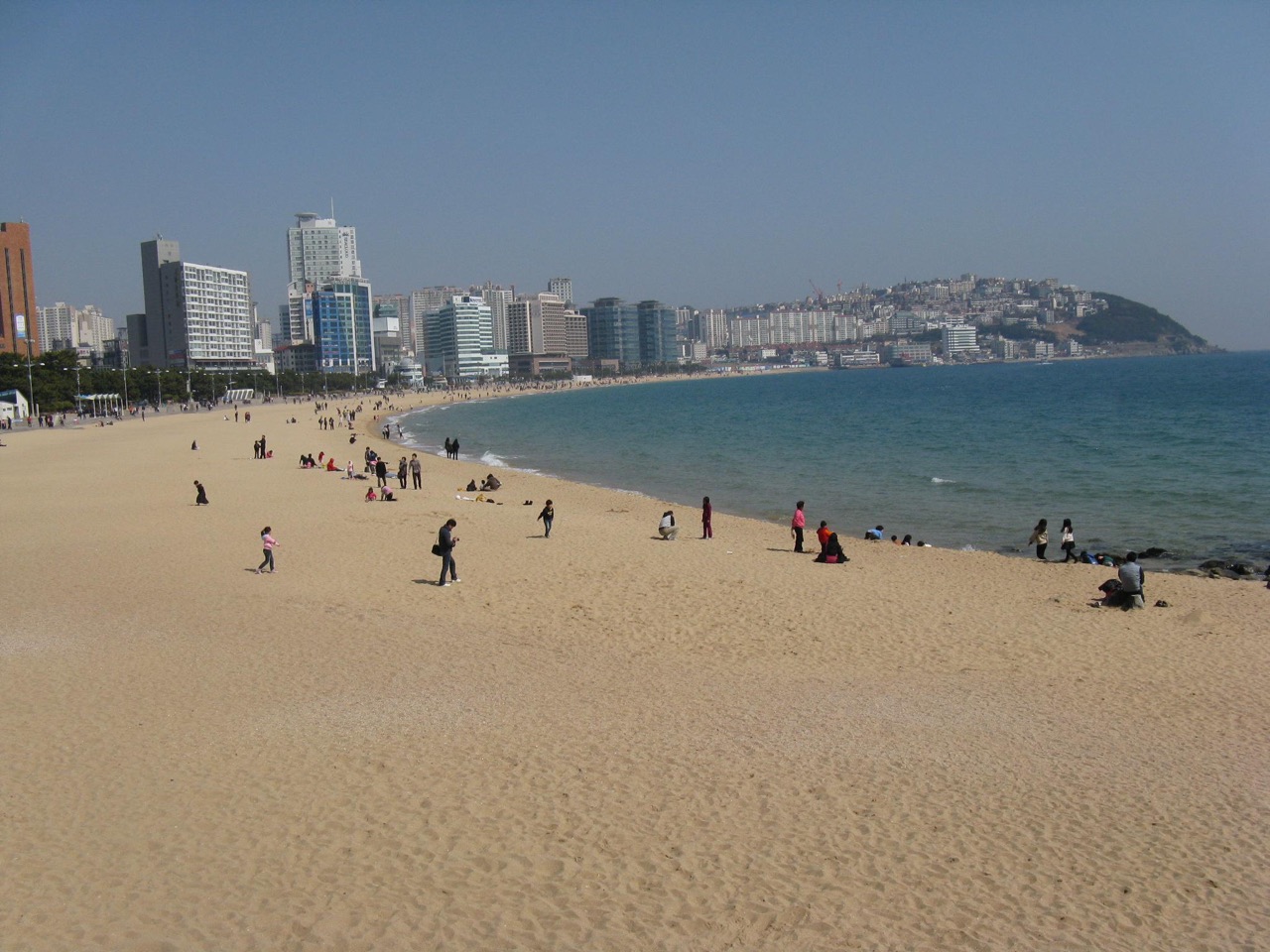
Use Haeundae as the eastern anchor. A beach walk does not require swimming and can remain useful outside the supervised season when conditions and public access allow. Add one nearby walking or cultural choice, then choose either a Dongbaek/Gwangalli direction for a more central finish or an east-coast direction toward Songjeong or another verified stop.
Do not promise coastal-train seats, a particular departure or an attraction bundle. Those are operator products with dated inventory and rules. If the reservation is unavailable, keep a public walking, metro or bus route that is independently worthwhile.
Busan's official beach guide separates year-round visits from seasonal facilities such as lifeguards, showers and changing rooms. Check current swimming-season and safety notices before entering the water. Physical access is not water-safety clearance.
Evening decision
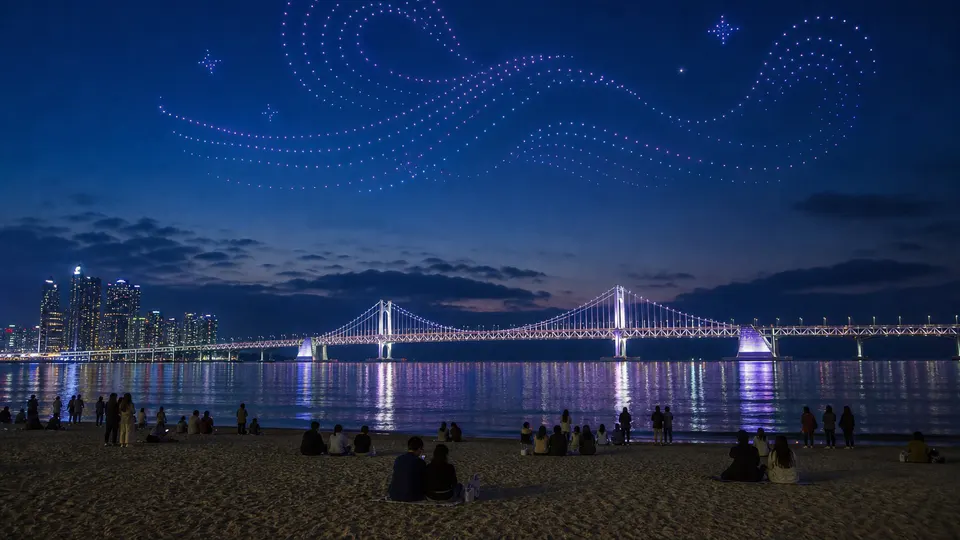
Finish near the accommodation or at one waterfront with a confirmed return. Gwangalli can be a strong choice when it fits the base; it is not a required second beach. On a Saturday, use the Gwangalli M Drone Light Show guide to check current themes, seasonal times and same-day cancellation notices. Save the hotel name and address in Korean and check the useful return before settling into dinner or a night view.
Optional Day 3: choose one purpose
Western detail day
Use this if Day 1 deliberately skipped Gamcheon, Songdo or Yeongdo. Pick one primary area and one nearby secondary stop. Avoid another long west-to-east crossing at the end.
Culture and weather-flex day
Choose a museum, film, history, market or indoor cultural anchor. Check its current opening day and final admission. “Bad-weather option” does not mean every indoor venue is open or reservation-free.
Slower coast day
Stay on the side where you are sleeping and build around one walking segment, one meal area and one sunset or night-view option. This is the right choice after two physically demanding days.
Arriving from Seoul or another city
Choose the transport mode separately from the Busan itinerary. KTX, express buses and flights use different stations or terminals, and the final local connection changes the useful arrival time.
For rail, use the KTX booking guide and official operator for the exact train. For buses, use the express and intercity bus guide and identify the correct terminal before purchase. “Busan” is not one interchangeable arrival point. Compare the whole door-to-door trip, including departure access, waiting, luggage and the final connection.
On departure day, build backward from the train, bus or flight cutoff. Add hotel checkout, road conditions, station navigation and the correct platform or terminal. Do not schedule a distant final attraction merely because the map shows it inside Busan.
Can you do Busan without a car?
Yes, a first trip can be structured around metro, rail and buses, but “possible without a car” does not mean door-to-door or flat. Visit Busan's transport guide lists multiple rail systems and ticket products. Coverage and validity differ, while first and last trains vary by station.
Do not assume a subway-only pass covers Donghae Line, the Busan–Gimhae Light Rail Transit or every bus. Check the current official schedule and fare when traveling.
- Save the Korean name and address of the first stop.
- Confirm the correct entrance or bus stop.
- Keep a second routing app or official map.
- Save the accommodation card in Korean.
- Check the final useful return, not only a broad system operating span.
The 48-hour Busan recheck
- Check weather warnings, coastal wind and rain for the relevant district.
- Reopen each ticketed operator for hours, closure, inventory and final entry.
- Confirm the correct intercity station or terminal and final hotel connection.
- Check beach and water-safety notices separately from public access.
- Remove one cross-city stop if the route requires perfect timing.
- Keep a low-energy or indoor alternative near the day's main zone.
Official sources
- Visit Busan: transportation
- Visit Busan: old downtown and coast itinerary
- Visit Busan: Haeundae first-timer course
- Visit Busan: Nampo-dong area
- Visit Busan: Gwangalli visitor page
- Busan Metropolitan City: 2026 beach guide
Checked August 26, 2026. Reopen operators for schedules, fares, closures, reservations, water safety and live inventory.