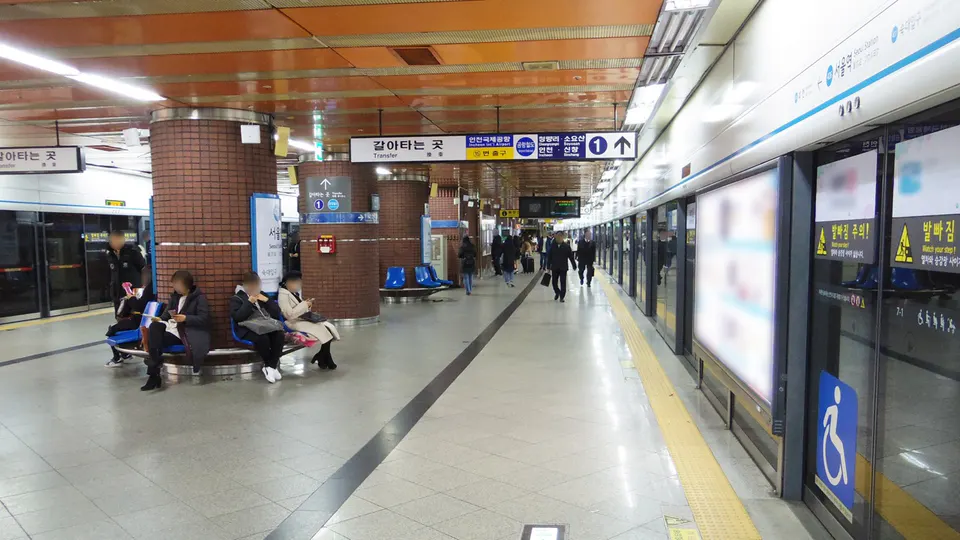
How to book express and intercity buses in Korea
Published August 22, 2026 · Reviewed August 24, 2026 · Routes, platforms and payment support can change
- Key point: Confirm whether the route is express or intercity and match the exact origin and destination terminals.
- Price: Compare the full ticket conditions, seat class and transfer cost, not only the advertised bus duration.
- Tip: Save the ticket offline and verify departure time, platform and pickup requirement before leaving checkout.
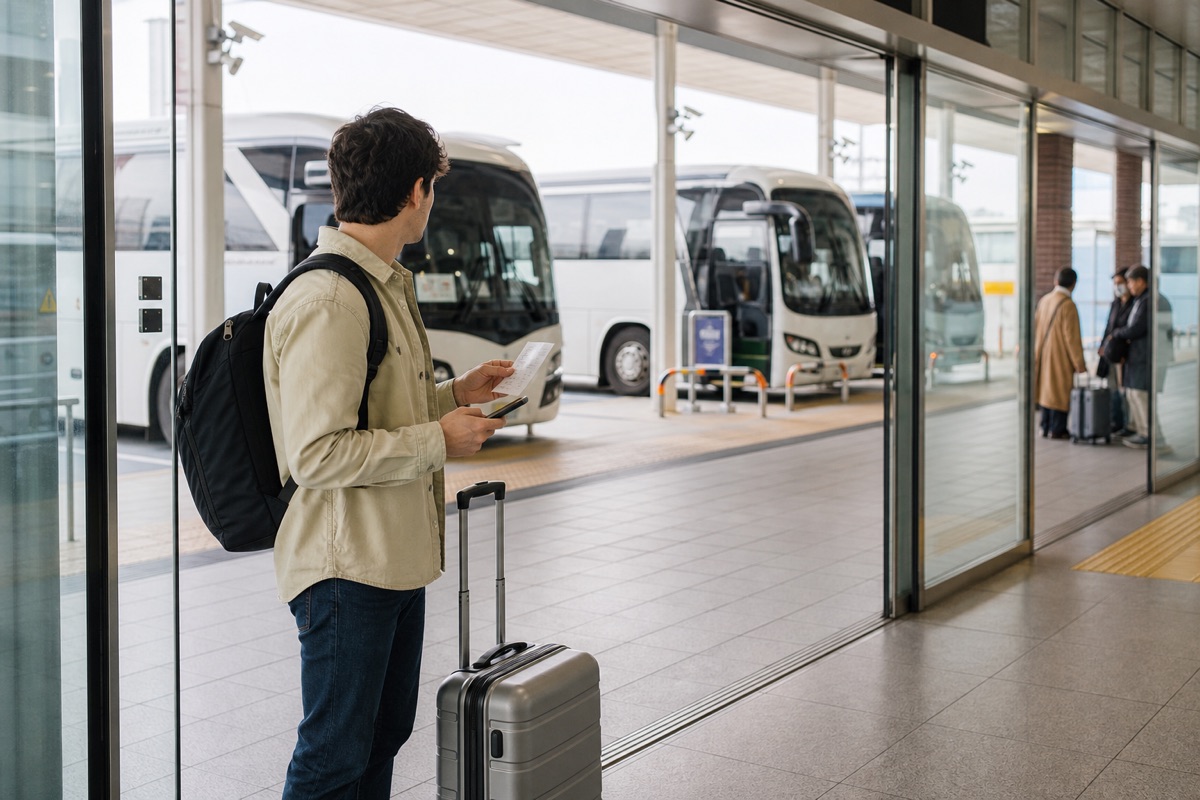
Express bus or intercity bus?
- Express bus: primarily follows expressways between larger terminals with few or no intermediate city stops.
- Intercity bus: uses expressways and national roads, often serves smaller destinations and may make intermediate stops.
The fastest-looking departure is not automatically the best. Compare the terminal-to-hotel journey, stops, arrival terminal and local last-mile transport. A direct intercity bus can beat a faster train that requires two transfers.
Choose the exact terminal
Search by the complete Korean or English terminal name, not only the city. Seoul alone has Seoul Express Bus Terminal, Central City Terminal, Dong Seoul Terminal and other departure points. At the destination, “bus terminal” may refer to an express terminal, an intercity terminal, or a combined facility.
- Confirm whether the route is express or intercity.
- Copy the full departure and arrival terminal names from the booking result.
- Check both terminal pins in NAVER Map or KakaoMap.
- Calculate arrival time at the departure terminal with a delay buffer.
Compare the full route, not the bus duration
Add travel from the accommodation to the departure terminal, the recommended arrival buffer, the bus trip and transport from the arrival terminal. A route arriving at a central terminal may be better than a slightly faster bus ending outside the destination area.
Check whether the bus makes intermediate stops and whether the displayed destination is the final stop. Save the arrival terminal's Korean address so that a taxi or local bus search does not lead to another terminal with a similar name.
Visitor-friendly booking routes
VISITKOREA's bus guide, reviewed June 5, 2026, lists the official KOBUS site for express buses and T-money intercity and Bustago for intercity routes. Language and overseas access can vary by channel. It also lists Klook and Go Hanpass as integrated options for international visitors; KTO's current transport guide says Klook and Hanpass accept foreign-issued cards for supported express routes, while Hanpass supports intercity routes.
Always compare the platform result with the terminal and operator shown on the ticket. A booking platform may not cover every regional route. If a route is missing online, it may still be sold at the terminal.
Validate the ticket before leaving checkout
- Express or intercity service
- Exact departure and arrival terminals
- Travel date, departure time and seat
- Passenger count and fare class
- Reservation number and issue status
- Whether a mobile ticket, printout or terminal pickup is required
Save the complete ticket offline. A payment receipt without the route and boarding credential is not enough for travel.
Foreign cards and failed payments
KTO's 2026 transport payment guide says foreign-issued credit cards are accepted at long-distance bus terminal ticket machines and counters. Online payment may still fail because of card authentication, issuer restrictions or incomplete route coverage. Try one careful retry or a different card, then use the terminal counter rather than repeatedly creating pending charges.
Changes, cancellations and sold-out alternatives
Read the official refund and change rules attached to the ticket before modifying it. If you buy a replacement, confirm that the first booking is cancelled or intentionally retained. Keep both the booking record and card activity until any refund is settled.
When a departure is sold out, compare earlier times, another official terminal, a train or a route to a nearby city with onward transport. Do not buy a screenshot or transfer from an unknown seller.
On the travel day
- Arrive 20–30 minutes early at an unfamiliar terminal.
- Match the destination, departure time, platform and vehicle number.
- Put large bags in the underfloor compartment only after confirming the bus.
- Keep valuables, medication, passport and batteries with you.
- Photograph or note the luggage compartment position if several buses load together.
- Fasten the seat belt and keep the aisle clear.
Rest stops are normal on some longer routes, but timing varies. Listen for the driver's return time and photograph the bus plate or platform before entering the rest area. Do not rely on another passenger to notice you are missing.
At rest stops
Note the bus plate, operator, parking position and announced departure time before walking away. Take valuables and the phone, but leave large luggage in the compartment unless the driver directs otherwise. Return early: a service cannot safely wait indefinitely for a missing passenger.
Last bus and missed connections
Regional last buses can depart earlier than visitors expect. Do not build a tight connection after a flight, concert or late train. Check the final departure on the same day and prepare a fallback: another terminal, a nearby city, an overnight stay or a realistically priced taxi. A sold-out late bus is harder to replace than a daytime departure.
If you miss the bus
- Do not board another reserved coach without an official ticket.
- Check the booking's change and refund conditions.
- Ask the official terminal counter or booking channel for the next eligible option.
- Recalculate onward transport from the new arrival time.
- Notify the accommodation if late check-in will be affected.
Official sources
- VISITKOREA: Express Bus & Intercity Bus, updated June 5, 2026
- KTO 2026 international visitor transport and payment guide
- VISITKOREA: essential travel apps, including bus booking
Continue: KTX booking · Taxi apps · Public transport · All transport guides